
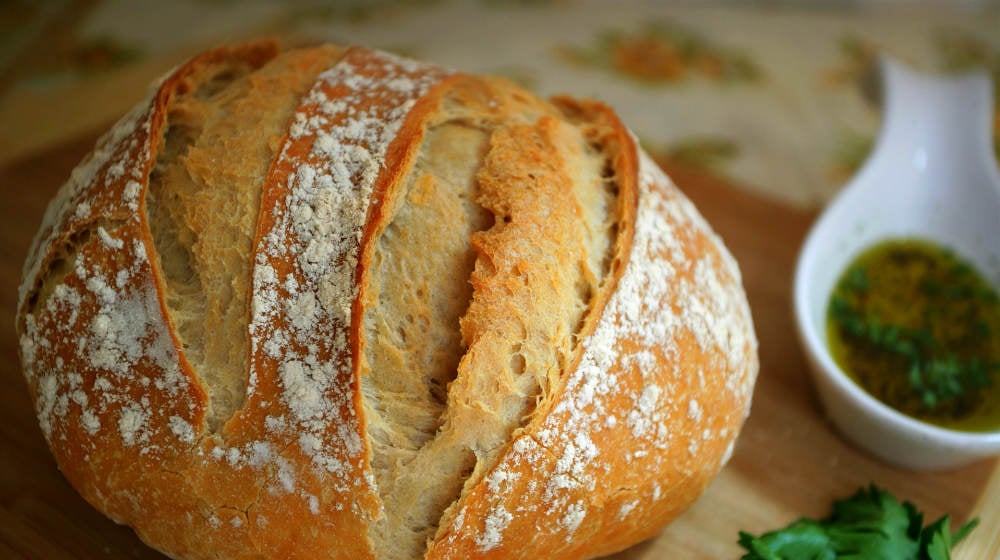

At a Glance: Pioneer Recipes
- Pioneer recipes were designed for survival, using shelf-stable ingredients and simple cooking methods.
- Foods such as hardtack, beans, and potatoes provided a reliable source of calories during long journeys.
- Recipes were shaped by strict limits: no refrigeration, scarce fuel, and wagon weight restrictions.
- Many pioneer meals are still practical today for camping, preparedness, and simple home cooking.
RELATED: 31 Easy Foil-Wrapped Camping Recipes For Outdoor Meals
Pioneer Recipes to Try In Your Homestead Today
Pioneer recipes were simple, calorie-dense meals made by American settlers traveling routes like the Oregon Trail during the 1800s. These dishes relied on shelf-stable ingredients such as flour, potatoes, beans, and preserved fats, helping pioneers survive long journeys with limited supplies, no refrigeration, and open-fire cooking conditions.
1. Potato Cakes
Potatoes were an important staple crop for the pioneers down the Oregon Trail. They store long, and with curing, even longer.
Traveling pioneers were never without potatoes, and many delicious recipes were prepared with them. These potato cakes, which are a precursor to our pancakes today, were a trusty staple and our ancestors ate them regularly.
Ingredients:
- 6 potatoes, peeled and grated
- 2 Tbsp. salt
- 1/2 cup milk
- 2 eggs
- 1 cup flour
What to do:
- Wash and peel potatoes before grating them.
- Combine with salt, milk, eggs, and flour.
- Pour spoonfuls of the mixture into a hot pan with melted shortening.
- Cook the cakes until done and golden brown on both sides.
2. Johnnycake
Along with potatoes, corn was also an important crop that the pioneers brought on their travels. Corn also stores long, and it was an important crop when starting a settlement.
Many recipes were made with corn, like cornbread, tortillas, and chowder. Johnnycake came from “jonikin”, which was a similar cake recipe made from oats.
It was called johnnycake when corn was used instead of oats, since there was more corn to go around.
Ingredients:
- 2 eggs
- 2 cups buttermilk
- 1/2 cup flour
- 2 Tbsp. molasses
- 1 tsp salt
- 2 cups cornmeal
- 1 tsp baking powder
- 2 Tbsp. butter
What to do:
- Beat eggs, then add buttermilk and molasses.
- Mix the cornmeal, flour, salt, and baking powder.
- Add butter.
- Bake the cake mixture in a Dutch oven until done.

- Versatile Cooking Skillet: The Lodge Cast Iron Skillet is a multipurpose, everyday cooking pan that excels at searing, sautéing...
- Pre-Seasoned & PFAS-Free: This pre-seasoned skillet is made with 100% natural vegetable oil for a naturally nonstick finish and is a...
- Superior Heat Distribution: The heavy-duty cast iron frying pan cooks evenly, making it ideal for precision recipes and consistent...
(As an Amazon Associate, we earn from qualifying purchases.)
3. Molasses Stack Cake
Molasses stack cake was actually a food for special occasions, especially for pioneer weddings. Baking the cake was a concerted effort by family and guests.
In the hard pioneer life, this would have been an expensive pioneer food item. So guests each bring a layer of cake and put them on top of the other with apple butter or slices in between.
Ingredients:
- 1/2 cup buttermilk and shortening
- 1 egg
- 1 cup molasses
- 2 cups flour
- 1/2 tsp baking powder
- Cinnamon (for sprinkling)
- Nutmeg (for sprinkling)
What to do:
- Pre-heat oven to 350°F.
- Mix the buttermilk and shortening mixture, egg, molasses, and baking powder in a small bowl.
- Add a lavish sprinkling of cinnamon and nutmeg.
- Add flour to the mixture, mix well, and then roll the dough thin.
- Form into circles and place on greased cookie sheets or a baking dish.
- Bake until golden brown.
4. Cured Bacon
One of the essentials for the traveling pioneers was bacon. Around 400 pounds of bacon was needed for a family of four.
Molasses, brown sugar, and salt were added to cured pork meat to keep it longer. Bacon was packed in a barrel with bran, so extreme heat won’t melt the fats.
This recipe calls for a peck (8 quarts) of salt to 5 gallons of water for the brine, added to 5 pounds of meat. Here’s how to cure bacon the pioneer’s way.
Ingredients:
- Ham
- 1 lb brown sugar
- Salt
- 1 pint molasses
- 1 tsp saltpeter
What to do:
- Mix the brown sugar, molasses, and saltpeter in a small bowl to make the cure.
- Sprinkle salt over the meaty side of the pork meat and add the cure mix.
- Pack the pork meat in a tight barrel.
- Put hams first, the shoulders next, and the middlings last.
- Pour brine over the meat.
- Leave the meat for four to seven weeks in the brine.

- DELICIOUSLY SWEET INGREDIENTS: Our blackstrap molasses is a good source of iron and magnesium and also naturally contains small amounts...
- USAGE: Our Organic Fair Trade Molasses is rich and robust in flavor, perfectly complementing gingerbread, cookies, barbecue sauces and...
- SOURCING: Our Organic Molasses is made from organic sugarcane grown in South America.
5. Lacey-Edged Corn Pancakes
As you know, corn and corn products were an important pioneer staple. Lacy-edged corn pancakes were one of the pioneer recipes made from cornmeal.
Here’s how you can make the perfect recipe, great with soup, greens, and beans.
Ingredients:
- 1 cup white cornmeal
- 1/2 tsp baking soda
- 1 egg
- 1 1/4 cup buttermilk
- 1/2 tsp salt
- 1 Tbsp bacon fat or lard
What to do:
- Mix the white cornmeal, baking soda, and salt in a small bowl.
- Add an egg and the buttermilk to make the batter.
- Melt the lard or bacon fat in a hot cast-iron skillet, then set aside.
- Wait for the shortening to smoke before pouring tablespoonfuls of batter.
- Give each batter a distance of 6 inches in the pan to cook evenly.
6. Buffalo Jerky
Cows were important livestock for pioneers.
They were a source of meat, hide, milk, and milk products. In later years, technology advanced, and we now source ground beef, broth, cream cheese, and condensed milk from cows as well.
Pioneers also hunted along the way, and buffalo were abundant back then. Buffalo, or beef jerky, was one of the recipes used for preserving both cow and buffalo meat.
Ingredients:
- Slabs of beef
What to do:
- Slice the beef into very thin strips along the grain.
- Arrange them on a rack, put them in a pan, and bake until dry.
- For outdoor preparation, hang them over a fire to dry.
7. Side Pork And Mormon Gravy
Even recipes invented from necessity turn delicious and filling. Side pork and Mormon gravy are the best examples.
Instead of simply frying cured bacon, pioneers cooked it a little special. You can serve this tasty dish with potatoes and cornbread.
Follow how this delicious recipe is created.
Ingredients:
- 8 thick slices side pork or bacon
- Fat drippings
- Flour
- Milk
What to do:
- Fry the thick slices of side pork or bacon in a pan until crisp.
- Set aside, but keep it warm.
- Measure four tablespoons of the fat drippings and pour back into the pan.
- Add flour and let it brown a bit.
- Take it out of the heat and add milk.
- Stir well to blend and scrape the savory bits.
- Return to low heat and stir until the gravy is smooth and creamy.
8. Oregon Trail Breakfast Cornmeal Mush
Even in the pioneer days, breakfast was the most important meal of the day. It should give them the nourishment to start the day’s trek.
This is only one of the many recipes you can make with cornmeal.
Ingredients:
- 1 cup cornmeal
- Dried currants
- 4 cups boiling water
- 1 Tbsp. lard
- 1 Tbsp. salt
- Molasses
- Butter
- Milk
What to do:
- Put dried currants in the boiling water.
- Sprinkle a cup of cornmeal in the boiling water.
- While stirring, add in the lard and salt.
- Cook for 3 minutes, then pour into bowls.
- Serve with molasses, butter, and milk.
9. Fart And Dart Beans
Now, this isn’t technically from the 1800s when the pioneers were traveling the Oregon Trail. But it is inspired by the actual recipe and is considered to be very similar to what it would have been.
Beans were also an important food item for the pioneers. They were long-lasting and provided protein and nourishment, along with bouts of gas!
Ingredients:
- 1 large bowl of canned lima, red kidney, white northern, lima, and butter beans
- Pork and beans
- 1 lb bacon, chopped
- large onions, chopped
- Garlic, chopped
- 1 cup brown sugar
- 1/2 cup vinegar
- 1/2 tsp mustard
What to do:
- Mix equal parts of canned lima, red kidney, white northern, lima, and butter beans.
- Add pork and beans to make 16 ounces of bean mixture.
- Fry the chopped bacon until cooked, but not crisp.
- Pour the bean mixture into a large pan with bacon and chopped onions, and garlic.
- In another pan, mix the brown sugar, vinegar, and mustard.
- Cook the mixture for 15 minutes.
- Pour the prepared liquid into the bean mixture and bake for an hour.
10. Chocolate Caramels
Pioneers are not to be outdone, too. Apparently, they also have a sweet tooth with this 1800 candy recipe. Even back then, sweets were a special treat.
Ingredients:
- 1 lb or 2 1/4 cups sugar
- 1/4 lb. chocolate
- 4 Tbsp. molasses
- 1 Tbsp. sweet milk
- 1 Tbsp butter
- Vanilla
What to do:
- Boil sugar and chocolate together.
- Add in the molasses, sweet milk, and butter.
- Stir the mixture thoroughly and test for consistency.
- To test for hardness, use a spoon to add droplets of the mixture to cool water. If they harden, it’s ready.
- Once hard, add vanilla and transfer to an oiled pan.
- Cut into desired shapes when they’re almost cold.
RELATED: 20 Easy Caramel Apple Recipes
11. Butterless, Eggless, Milkless Cake
Pioneers may have seldom baked this cake recipe since eggs were not easily available, but this recipe survived and is still enjoyed as a classic today.
Ingredients:
- 1 cup brown sugar
- 1 cup cold water
- 1/4 tsp nutmeg
- 1 1/2 cups raisins
- 1 tsp salt
- 1/3 cup shortening
- 1 tsp cloves
- 1 tsp cinnamon
- 25 ml hot or lukewarm water
- 1 tsp baking soda
- 2 cups flour
- 1/2 tsp baking powder
What to do:
- Boil the brown sugar in a cup of cold water with all the prepared raisins.
- Add in the salt, cloves, and cinnamon.
- Then, also, stir in the nutmeg and shortening.
- Boil for 3 minutes and let it cool.
- Dissolve the baking soda in the hot water you prepared, then add flour and baking powder.
- Add the baking soda mix to the first mixture.
- Bake for 35 to 40 minutes at 350°F.
12. Swiss Apple Cherry Pie
The Swiss were among the pioneers of the 1800s who went on the Oregon Trail. They brought with them pioneer dessert recipes, including this Swiss apple cherry pie.
Ingredients:
- 4 large apples
- 6 Tbsp. butter
- 1 cup sugar
- 2 Tbsp. flour
- 2 Tbsp. ground cinnamon
- 1/2 tsp ground nutmeg
- Cherries
- Butter, melted
- Evaporated milk
What to do:
- Prepare the large cooking apples by slicing them thinly.
- Make double-crust pie pastry.
- Melt butter and brush the bottom of the pastry shell with it.
- Lay apple slices on the pastry shell.
- Mix sugar, flour, ground cinnamon, and nutmeg.
- Sprinkle some of the dry ingredients over the first layer of apples.
- Take fresh or canned cherries and make another layer with them.
- Sprinkle with the dry ingredients.
- Continue layering and top with the melted butter.
- Add the top crust and brush with evaporated milk.
- Bake for 30 to 40 minutes at 425°F.
13. 101-Year-Old Pastry
Pies were a favorite with the pioneers and made meals all the more exciting to look forward to. The first part of baking pies is making the pastry.
This 101-year-old pastry crust recipe has been passed from generation to generation.
Ingredients:
- 1 cup shortening or lard
- Salt
- 1 egg
- Flour
- 1 Tbsp. vinegar
What to do:
- Cut a cup of shortening or lard into salt and flour.
- Beat egg in 1 1/2 measuring cups.
- Add in the vinegar and then fill it with cold water.
- Slowly pour in enough liquid to fill half of the cup of sifted flour.
- Reserve the rest of the liquid for your next batch.
- Avoid kneading the dough too much.
- Roll the dough to make the pastry.
14. Brown Bread
|
Brown bread came from Irish New England settlers and was brought down the Oregon Trail. They are made from whole-grain flour and get a brown color from molasses or coffee.
Brown bread was later found to be healthier than its counterparts. No wonder our ancestors made it through the tough early settler years with this recipe.
There are many versions of the brown bread, and this one is found in old historical records.
Ingredients:
- 1 tsp baking soda
- 3 1/2 cups of water
- 1 tsp salt
- 1 tsp molasses
- Graham flour
What to do:
- Boil water and add the salt, molasses, and baking soda.
- Slowly mix the graham flour until you make a stiff batter.
- Let the mixture cool down, and add a pint of the light cake made from compressed yeast.
- Pour into pre-buttered bread tins and bake.
15. Hasty Pudding
|
This list of pioneer recipes isn’t complete without the good old, centuries-old hasty pudding. It was brought by the first English settlers and because of the lack of wheat, cornmeal was used in its place.
Assuming a New World version, it was then called Indian pudding.
Ingredients:
- 3 cups water
- 1/2 tsp salt
- 1/2 cup cornmeal
What to do:
- Boil the salt in 3 cups of water.
- Add in the cornmeal slowly and in a steady flow.
- Give it a steady stir, so clumps will not form.
- Continue stirring for 20 minutes until cooked.
16. Spotted Pup
A good way to make use of your leftover rice is to turn it into spotted pups, a sweet, sticky dessert.
Pioneers used this recipe back then because they did everything they could to ensure they didn’t waste anything. Rather than eating cold rice, they decided it’d be much better to turn it into an entirely different recipe instead.
Ingredients:
- Cooked rice
- Milk
- 1 egg
- Sugar
- Salt
- Nutmeg
- Raisins
- Vanilla
What to do:
- Place the cooked rice in a Dutch oven.
- Then, pour in enough milk to submerge all rice grains.
- Crack in a beaten egg.
- Season with vanilla, nutmeg, salt, and sugar, then top off with raisins.
- Close the lid and then let the mixture heat until the egg is fried.
17. Corn Dodgers
Corn dodgers were popular during pioneer life because they’re very versatile and easy to carry around. You can eat them as a side to your meals or munch on them as a snack when you get hungry.
Also, they’re relatively small, so pioneers can literally keep these munchies in their pockets.
Ingredients:
- 2 cups cornmeal
- 1 Tbsp sugar
- 2 cups milk
- 1/2 tsp salt
- 2 Tbsps butter
- 1 tsp baking powder
What to do:
- Heat the oil in a Dutch oven.
- Meanwhile, cook the salt, butter, cornmeal, milk, and sugar in a saucepan.
- Set aside, let cool for five minutes, then pour in the baking powder.
- Scoop in tablespoon portions of the mixture into the oil for frying.
- Cook for 10 to 15 minutes until the dodgers turns golden brown.
18. Soda Biscuits
Baked biscuits are the perfect sides for any classic American breakfast. Just imagine how great they’ll taste when paired with sausages, eggs, and gravy.
Plus, they’re very easy to prepare. You can whip up an entire batch in less than half an hour.
Ingredients:
- 3 1/3 cups flour
- 1 tsp salt
- 1 tsp baking soda
- Milk
What to do:
- Preheat the oven to 425ºF.
- Take a large bowl and fill it with flour.
- Then, proceed to scoop in one tablespoon of milk at a time until the dough turns stiff. Set aside.
- Get a separate bowl where you can dissolve the baking soda in a tablespoon of milk. Afterward, pour it into the stiff dough mixture.
- Roll the dough out until it turns into a fine, thin layer.
- Cut circles using a cookie cutter and then bake them in an oven for 15 minutes until the edges turn brown.
19. Mud Apples

This treat looks exactly like what it sounds like, mud-covered apples. When the pioneers were covering the stretch of the Oregon Trail, they had very limited resources, so they made the most of whatever they had, including dirt.
Of course, you don’t have to use mud if you’re not comfortable doing so. You can use substitutes such as cocoa mixed with cinnamon and vanilla.
Ingredients:
- Apples
- Mud (or any substitute)
What to do:
- Cover the apples in mud.
- Cook over a bonfire for 45 minutes.
- Scrape away any coal, knock off the mud, and peel the skin off.
- If you’re not using mud, you can eat the apples as they are without peeling the skin.
How to Order Authentic Pioneer Recipe Spice Blends Online
Authentic pioneer recipe spice blends can be ordered online from specialty herb retailers such as Penzeys Spices, Mountain Rose Herbs, and Frontier Co-op. Look for simple blends made with salt, black pepper, sage, thyme, pickling spices, or roasted chicory. These ingredients were historically used by 19th-century pioneers for trail cooking and food preservation.
Traditional Pioneer Seasoning (Salt, Pepper, Sage)
- Where to order: Penzeys Spices
- Product: Frontier Herb Blend (sage, thyme, black pepper)
- Price: $7–$12 per jar
- Why it’s authentic: Matches the seasoning profile pioneers used for salt pork, beans, and basic trail stews.
Pickling Spice (For Preserved Vegetables)
- Where to order: Mountain Rose Herbs
- Product: Traditional Pickling Spice Blend
- Price: $4–$9 per package
- Why pioneers needed it: Pickling spices were essential for preserving vegetables that needed to last weeks or months on the trail.
Coffee Substitute Blend (Chicory and Grains)
- Where to order: Frontier Co-op
- Product: Pioneer Coffee Alternative (roasted chicory and barley)
- Price: $6–$10
- Why it’s historical: When coffee supplies ran out, pioneers roasted grains and chicory root as a common substitute.
Money-Saving Pioneer Alternative
For the most authentic option, grow sage, thyme, and oregano at home, dry the herbs in bundles, and grind them together. After a one-time seed cost of $3–$5, this method recreates pioneer-style seasoning at virtually no ongoing cost.
Where to Buy Oregon Trail Pioneer Recipe Cookbooks Online
Want to cook authentic Oregon Trail recipes at home? The best pioneer recipe cookbooks combine historical accuracy with modern safety updates. These three books document actual wagon train cooking methods with tested recipes you can make today.
The Oregon Trail Cookbook by Gwen McKee
Where to buy: Amazon, Barnes & Noble
Price: $16-$22
Why it’s authentic: Contains recipes from actual pioneer diaries and wagon train journals, including the nine recipes featured in this article.
The Prairie Homestead Cookbook by Jill Winger
Where to buy: Target, Amazon
Price: $18-$25
Why homesteaders love it: Modern adaptations of pioneer recipes using Dutch ovens and cast iron, perfect for recreating trail cooking at home.
Westward Expansion Recipes by The History Press
Where to buy: Amazon
Price: $14-$20
Why it’s comprehensive: Covers cooking methods from covered wagons, frontier forts, and early homesteads with period-accurate ingredients.
Why Pioneer Recipes Still Matter?
Pioneer recipes reflect a time when food had to be durable, efficient, and reliable. These meals weren’t about comfort or variety; they were about survival under harsh conditions. Understanding how pioneers cooked and ate offers insight into resourcefulness, food preservation, and the realities of life on the frontier.
Try Pioneer Cooking Today
Curious what life on the trail tasted like? Try preparing one of these pioneer recipes at home or on your next camping trip. You may discover that simple, time-tested meals are still some of the most satisfying and practical foods you can make.
Make room for a hardtack or sea biscuit recipe in this video from Islander Hero:
Pioneer travelers survived the long and arduous journey into unknown territory partly due to these pioneer recipes. These pioneer recipes kept their bellies full and their spirits up.
It’s always somewhat nostalgic to come across these pioneer recipes, which helped them survive. Try these pioneer recipes because you never know when they will come in handy in your homestead and for survival!
What are your thoughts about these pioneer recipes? Have one in mind to try? Tell us all about it in the comments section below!
UP NEXT:
- 25 Classic & Scrumptious Pioneer Woman Recipes For Thanksgiving
- Soil Testing The Pioneer Way (No Equipment Needed)
- Spinning Yarn: How to Spin Raw Wool Into Yarn | Homesteading
Editor’s Note: This post was originally published on April 21, 2016, and has been updated for quality and relevancy.
Frequently Asked Questions
What were pioneer recipes?
Pioneer recipes were simple meals created by 1800s American settlers using shelf-stable ingredients such as flour, beans, potatoes, and preserved fats to survive long journeys without refrigeration or modern kitchens.
What foods did pioneers eat on the Oregon Trail?
Pioneers ate durable, calorie-dense foods such as hardtack, beans, salt pork, dried fruits, cornmeal, and potatoes, foods that could survive months of travel and be cooked over campfires.
Why are pioneer recipes so simple?
Pioneer recipes are simple due to limited supplies, lack of refrigeration, scarce firewood, and wagon weight restrictions, requiring meals that used few ingredients and cooked quickly.
How did pioneers preserve food without refrigeration?
Pioneers preserved food through drying, salting, smoking, and curing. These methods prevented spoilage and allowed meat and grains to last weeks or months without cooling.
What kitchen tools do I need to make pioneer recipes at home?
You need three essential tools to cook authentic Oregon Trail recipes: a 6-8 quart cast iron Dutch oven ($60-$80), a 10-12 inch cast iron skillet ($25-$40), and a cast iron coffee pot ($30-$50).
Where Can I Buy Authentic Pioneer Spice Blends?
Authentic pioneer spice blends are available from Penzeys Spices, Mountain Rose Herbs, and specialty homesteading suppliers like Lehman’s. However, making your own blend costs 90% less and allows you to adjust for your family’s taste preferences.
What cooking methods did pioneers use?
Pioneers cooked over open fires using boiling, frying, and Dutch oven baking, methods that required minimal tools and worked in outdoor travel conditions.
Where can I buy pioneer recipe cookbooks online?
The best Oregon Trail pioneer cookbooks are available from Amazon, Barnes & Noble, and Target. The Oregon Trail Cookbook by Gwen McKee ($16-$22) contains authentic wagon train recipes with modern instructions. The Prairie Homestead Cookbook by Jill Winger ($18-$25).

Leave a Comment