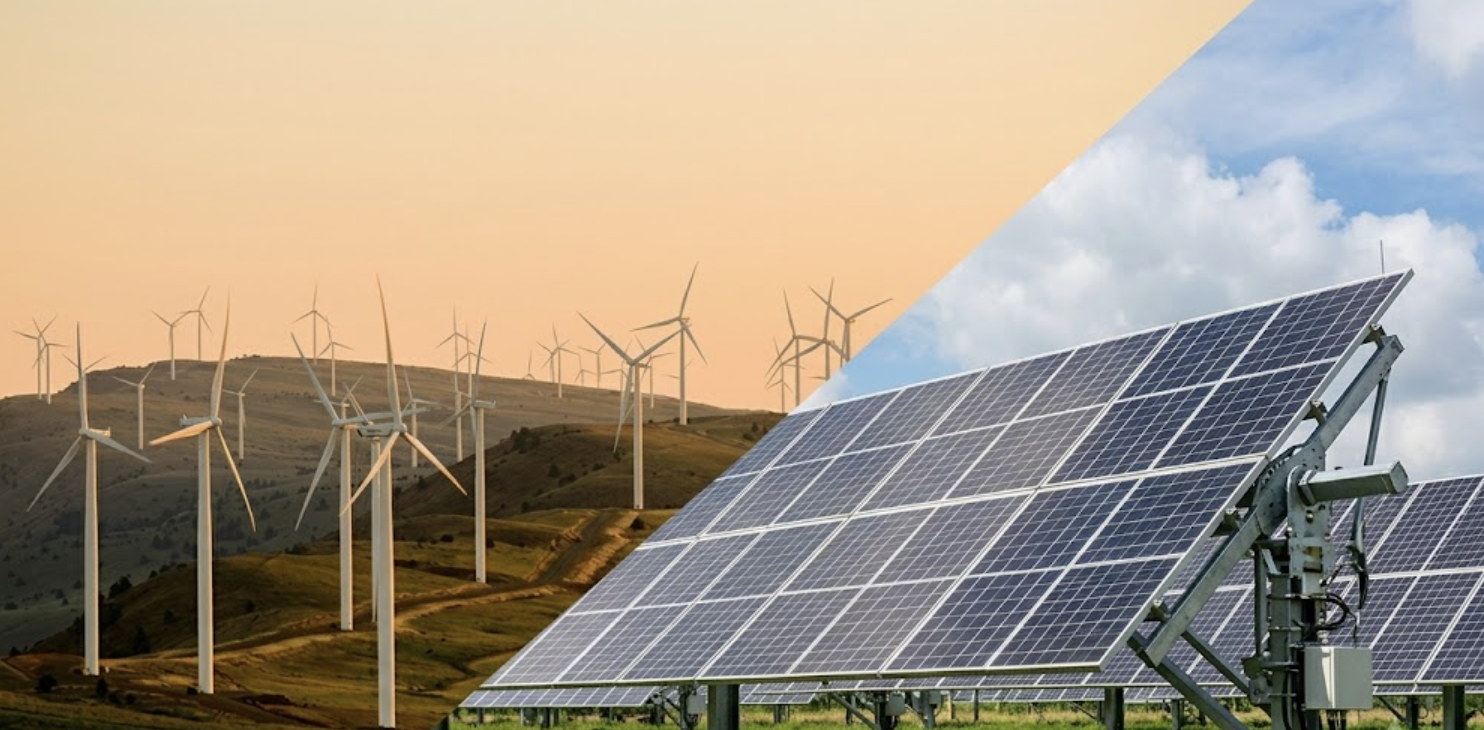

At a Glance: Solar Panels vs Wind Turbines
- Solar panels are simpler, quieter, and easier for most beginners to start with.
- Wind turbines can make power at night if your site gets steady wind.
- Most homesteads do best with a hybrid setup, using both together.
Do you want lower power bills, or do you want the lights to stay on when the grid goes down? Either goal points you toward clean energy, but solar and wind solve the problem in different ways. Solar panels work almost anywhere with decent sun and need very little upkeep. Wind turbines need a steady breeze, but they can keep making power after the sun goes down. This guide walks you through both options so you can pick the right one, or the right mix, for your land.
Powering Your Homestead with Clean Energy
Going off-grid, or even just cutting your power bill, starts with picking the right energy source for your land. Solar is usually the easier starting point for beginners. It has no moving parts, it’s quiet, and it scales up as your homestead grows. Wind power shines in a narrower set of conditions: open land with steady, reliable breeze, especially in spots that stay dark or windy through the winter. Knowing which one fits your property is the first real decision on the road to energy independence.
What Are Solar Panels?
Solar panels are flat devices that turn sunlight into electricity you can use in your home or barn. They have zero moving parts, so there’s nothing to wear out or break down over time. That also means they run silent, with no motor noise and no vibration. Maintenance is simple: an occasional rinse to clear off dust or pollen is usually all they need. As your homestead grows, you can add more panels to your existing setup instead of starting over, which makes solar an easy system to scale one step at a time.
That low-maintenance, scalable nature is exactly what makes wind power such a different animal. Let’s look at what a small wind turbine actually offers.
What Are Small Wind Turbines?
Small wind turbines are machines with spinning blades that turn wind into electricity, usually mounted on a tower near your house or barn. Their biggest advantage is 24/7 potential. Unlike solar, a turbine can keep spinning at night and through the winter, as long as the wind keeps blowing. They also take up a small ground footprint compared to a solar array of the same output. The catch is wind speed. Most small turbines need an average wind speed of at least 10 to 12 miles per hour to produce meaningful power, and a lot of homestead land simply doesn’t have that kind of steady breeze.
Now that you know what each system offers on its own, let’s put them side by side.
Solar Panels vs Wind Turbines: Comparing the Options
The right choice comes down to what your land actually gives you, not what sounds better on paper. Solar needs consistent daytime sun, so shaded lots or regions with long cloudy stretches will get less out of it. Wind needs open space and a steady breeze, which rules it out for most wooded or sheltered properties. Maintenance is another real difference. Solar panels have no moving parts, so they rarely need repair beyond an occasional cleaning. Wind turbines have bearings, blades, and a spinning generator, all of which wear down over years of use and need periodic servicing. On long-term reliability, solar tends to win for most homesteaders simply because there’s less that can break. Wind can outperform solar in specific spots, mainly open, breezy land in northern climates where winter days are short and dark but the wind doesn’t stop.
Homestead Power Specs: Solar vs Wind Comparison Table
| Feature | Solar Panels | Small Wind Turbines |
| Energy Source | Sunlight | Wind |
| Night Output | None (needs battery storage) | Yes, if wind keeps blowing |
| Moving Parts | None | Yes (blades, generator, bearings) |
| Maintenance | Low (occasional cleaning) | Moderate (annual inspection, bearing wear) |
| Lifespan | 25–30 years | 15–20 years |
| Noise | Silent | Some mechanical hum |
| Best Terrain | Open, sunny, unshaded land | Open, elevated, consistently breezy land |
How to Choose the Best Energy Option for Your Homestead
Pick solar if you want a quiet, low-maintenance system and your land gets decent sun most of the year. Pick wind if your property sits in a dark, breezy spot, especially one with long winters where sunlight is scarce but the wind never really stops. Pick a hybrid system, solar and wind working together, if you want backup for both weak-sun days and calm-wind days. A hybrid setup costs more upfront, but it closes the biggest gap in either system alone: the days when neither the sun nor the wind is cooperating.
Solar and wind both get you closer to energy independence, but they don’t work the same way. Solar is the easier first step for most homesteaders: quiet, low-maintenance, and simple to expand. Wind can add real value on open, breezy land, especially where winter days run short and dark. If your budget allows it, pairing both gives you the most reliable coverage year-round. Whichever path you choose, start small, verify your system works the way you expect, and expand once you’ve proven it out.
FAQs
How much solar power do I need for my homestead?
Most homesteads need between 3,000 and 7,000 watts (3 kW to 7 kW) of solar capacity to cover daily needs like lights, a fridge, a well pump, and small appliances. Your exact number depends on how many people live on the property and how much equipment you run daily. A basic energy audit of your monthly usage is the best way to size your system correctly before you buy.
Can I run a homestead entirely on solar?
Yes, but you’ll need more than panels alone. A battery bank stores power for nighttime and cloudy days, and a backup generator covers you during extended low-sun stretches, like a week of winter storms. Without both pieces, an all-solar homestead runs the risk of running out of power exactly when you need it most.
DIY solar setup costs for small farms
A basic DIY solar setup for a small farm typically runs $3,000 to $10,000, depending on system size. That price covers the core components: solar panels, an inverter to convert the power for home use, and a battery bank for storage. Bigger farms with heavier equipment, like well pumps or workshop tools, will land at the higher end of that range.