
At a Glance: DIY Goat Milk Soap Recipe
- Frozen goat milk keeps sugars from scorching during the lye reaction.
- Cold-process soap needs 4 to 6 weeks of cure time before it’s ready.
- Exact weight measurements matter more than any other single step.
Tired of itchy, dry skin and reading labels full of harsh synthetic chemicals, artificial fragrances, and detergents found in store-bought soaps?
Cold-process goat milk soap delivers pure, deep hydration using natural farm-fresh ingredients that soothe irritated skin instead of stripping it. Here’s the simple, step-by-step recipe to craft your own rich, nourishing soap at home.
What Are the Benefits of Goat Milk Soap?
Goat milk soap gives you gentler, more hydrating cleansing than most store-bought bars because the milk fats and natural acids work with your skin instead of against it. It’s naturally packed with nutrients, fats, and gentle acids that turn a standard bar into a real skin treatment. Here’s what that means for your skin day to day:
- Gently exfoliates dead skin cells with natural lactic acid
- Soothes dry, sensitive, or eczema-prone skin without stripping natural oils
- Delivers deep hydration through rich natural fatty acids and milk fats
- Nourishes the skin barrier with essential vitamins, especially Vitamin A
- Helps balance the skin’s natural pH level
Essential Ingredients & Equipment
Before you touch any lye, get everything measured and within reach. Soap making moves fast once you start mixing, and hunting for a tool mid-batch is how mistakes happen. Here’s what you’ll need on hand.
Ingredients
- 12 oz raw goat milk (frozen into ice cubes)
- 4.8 oz lye (sodium hydroxide)
- 12 oz olive oil
- 10 oz coconut oil
- 10 oz lard or tallow
- 0.5–1 oz essential oils (optional)
Equipment
- Digital kitchen scale
- Immersion/stick blender
- Stainless steel pot or heat-safe container
- Silicone soap molds
- Safety gear (goggles, rubber gloves, long sleeves)
How to Make Goat Milk Soap Recipe: Step-by-Step
This is where the milk, oils, and lye come together into real soap. Work in order, don’t rush the trace stage, and keep your safety gear on the whole time. Here’s the process broken into four steps.
Step 1: Prep the Milk & Lye
- Add lye slowly to the frozen goat milk cubes in a well-ventilated area.
- Stir gently until the ice melts and the lye dissolves, keeping temperatures low to avoid scorching.
STOP POINT: Lye fumes are strong and the mixture heats up fast. Work near an open window or fan, wear your goggles and gloves before you open the lye container, and never let the mixture near your face while stirring.
Step 2: Melt & Combine Oils
- Melt olive oil, coconut oil, and lard together in a pot.
- Allow the oils to cool down to 100–110°F.
Step 3: Mix to Trace
- Slowly pour the lye-milk mixture into the oils.
- Pulse with an immersion blender until reaching a light, pudding-like consistency (trace).
- Stir in optional essential oils.
Step 4: Pour & Cure
- Pour into silicone molds and freeze for 12–24 hours to prevent overheating.
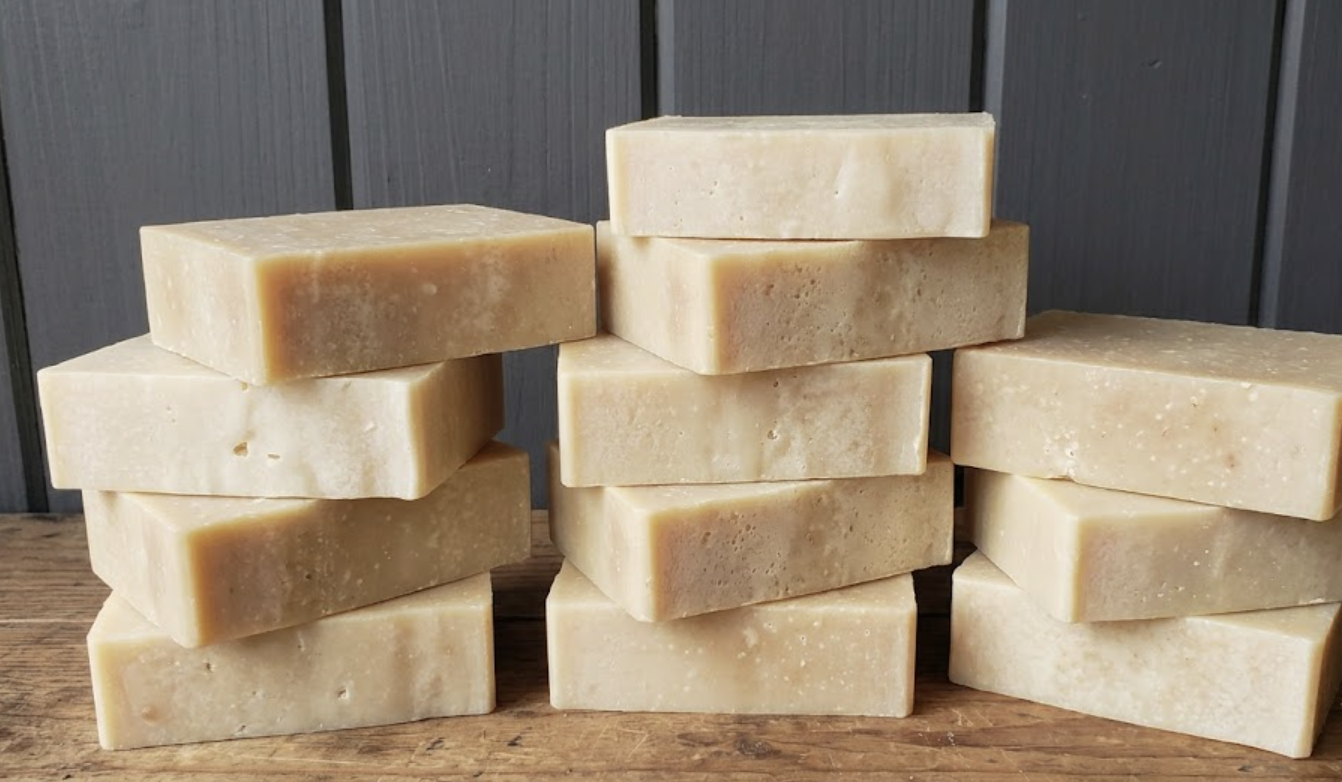
- Unmold after 24–48 hours, cut into bars, and cure in a cool, dry place for 4 to 6 weeks.
Common Mistakes to Avoid When Making Goat Milk Soap
- Scorching the Milk: Adding lye too quickly burns milk sugars, so always use frozen milk cubes.
- Measuring by Volume: Soap making requires exact weight, always use a digital scale.
- Skipping Safety Gear: Lye is caustic; always wear eye protection and gloves.
Making DIY goat milk soap is one of the most rewarding ways to turn fresh dairy into a practical, skin-nourishing staple for your homestead. Once you’ve got one batch cured and cut, you’ll have the confidence to build out a whole shelf of your own.
FAQs
What is the easiest homestead project for beginners? Making cold-process goat milk soap and starting a small herb garden are two of the easiest beginner projects. Soap making requires minimal active hands-on time once you have basic safety gear and ingredients.
Can I use fresh goat milk instead of frozen? It’s not recommended. Liquid milk heats up instantly when mixed with lye, which scorches the natural sugars, turns the liquid brown, and creates an off-putting odor. Freezing the milk first keeps the batch cool and creamy white.
How long does homestead goat milk soap last? Properly cured cold-process goat milk soap lasts 1 to 2 years when stored in a cool, dry, well-ventilated area away from direct sunlight.