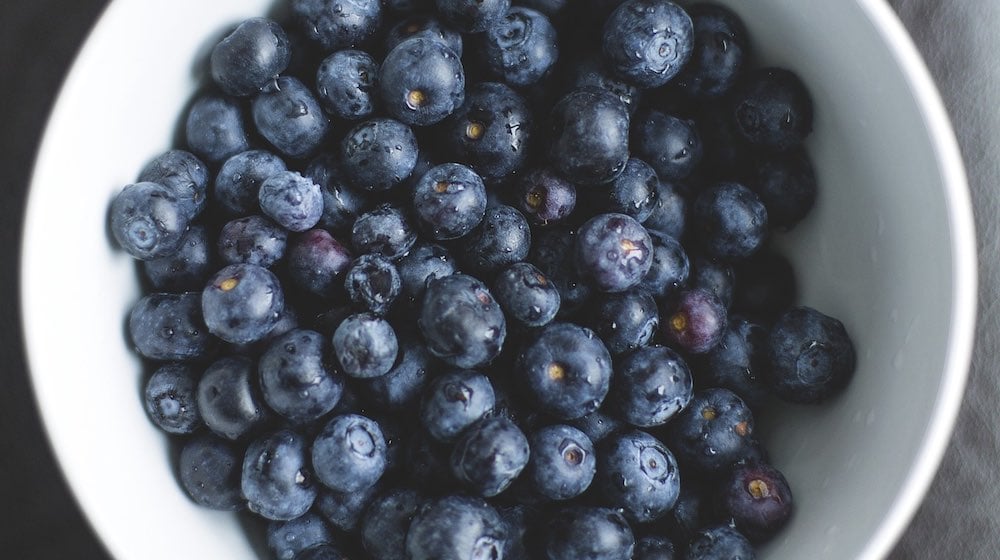

Ditch the store-bought canned berries loaded with sugar and opt to make your own healthy batch! Here’s a step-by-step guide on canning blueberries without using artificial preservatives and sweeteners.
RELATED: Blueberries: A Homesteading Guide To Fresh Backyard Berries
What You Need to Know About Canning Blueberries Without Sugar
Materials Needed:
- blueberries
- colander
- pot of water
- cheesecloth
- tongs
- jars and canning lids
- a large pot of water (for canning)
How To:
- Take your fresh batch of blueberries, transfer them to a colander, place under running water, scrub each berry individually, then remove the stems. Leave to dry for a few minutes. Afterward, sort through them and set aside the shriveled berries. You can either discard or feed these crops to your livestock.
- After setting the berries aside to dry, bring a pot of water to boil over high heat. This will be used for blanching. Note that the process of blanching is very important when canning blueberries, or any kind of fruit/veggie for that matter. It helps preserve the food’s flavor, texture, and overall taste. That way, you’ll get to enjoy the sweet, refreshing flavor of your fruits and veggies even if they have been in storage for months already.
- While waiting for the water to boil, take the clean and stemless blueberries then wrap them inside a clean cheesecloth. Make sure you don’t exceed the capacity of the cloth. Leave enough space so you’ll still be able to close and lock the cloth itself.
- By this time, the water should already be boiling hot. Don’t reduce the stove’s fire so you can maintain the heat and temperature of the water.
- Once you’re ready to blanch the berries, use a pair of tongs to grab the end of the cheesecloth bag filled with blueberries. Make sure to only pinch the tip of the bag. Otherwise, you might pierce or bruise the berries.
- Next, submerge the cheesecloth bag in the boiling water and swirl around for around 30 seconds. Take out, set aside, and repeat with the remaining bags.
- Once all the batches of blueberries are blanched, it’s time to start canning. Unwrap the cheesecloth bag of blueberries and stuff them inside each sterilized jar. It’s okay for some of them to get a bit mashed during the transfer. Screw the canning lid on the jar then set aside. Repeat as many times as needed.
- The final step of the process of canning blueberries is sealing the jars airtight to preserve the food items’ freshness.
First, bring a large pot of water to a boil. Then, submerge the jars of blueberries in the hot water for around 15 minutes until the can lids pop shut. Finally, take the jars out of the pot of hot water and let them cool on the kitchen counter.
To test if you were successful in canning blueberries, try opening one of the jars. If the lid makes a clicking sound, then the canning process worked. However, if they don’t, you may have to submerge the jars in hot water again.
Note: Unopened jars of blueberries should be stored at room temperature away from direct sunlight or water. They have a shelf life of one year.
What to Do With Your Canned Blueberries
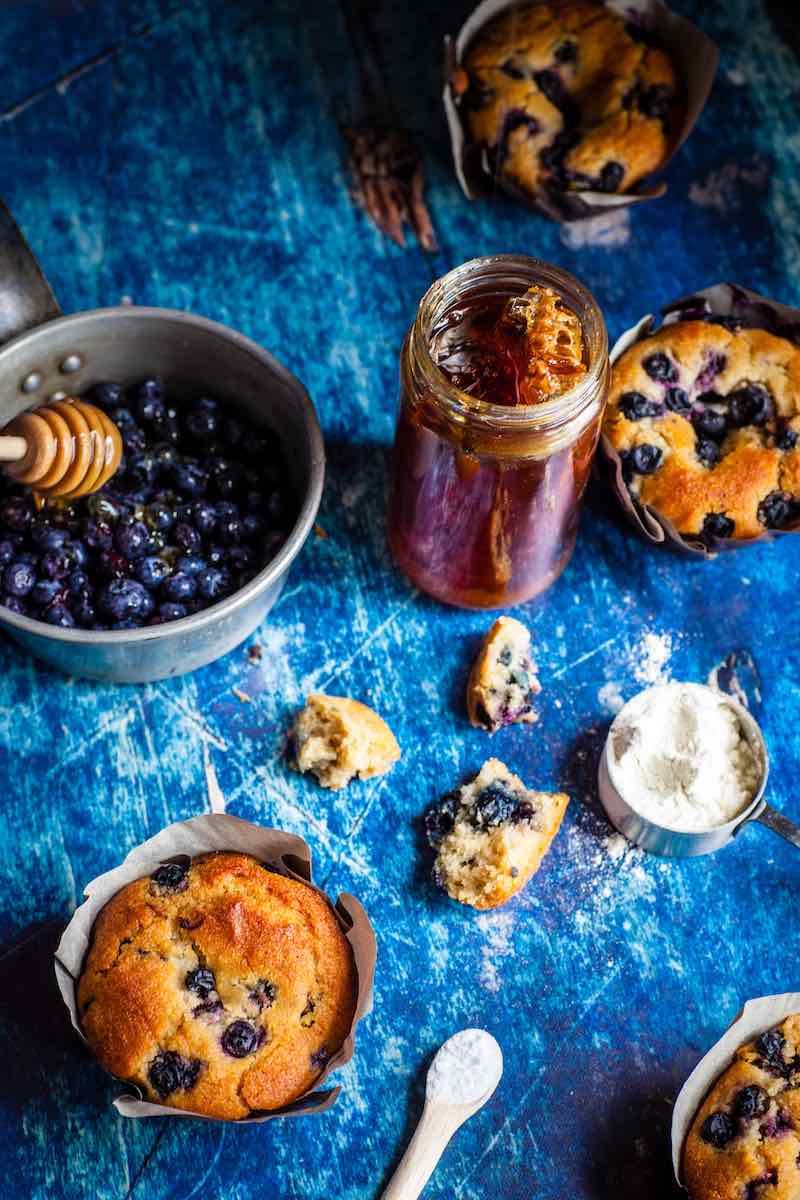 1. Bake Into Cakes
There are dozens of pastries and baked goodies you can make with blueberries!
For example, if you’re craving for something sweet to snack on while on the road, try baking cookies. Mix your favorite cookie dough recipe then make it sweeter and zestier by mixing in the raw blueberries.
On the other hand, if you’re looking for something to serve at a party, try baking a fresh batch of blueberry cheesecake. The zesty blueberry preserves will go well with the creamy, decadent filling of your favorite plain cheesecake.
2. Pulse Into Jam
Can’t think of what to do with your berries? Pulse them into jam! Blueberry jam is a very versatile ingredient you can use on an array of foods.
Is your morning breakfast looking a bit plain? Brighten it up by spreading a thick, tangy layer of jam on your bread toasts. This will go well with salty, savory bacon and rich, creamy eggs.
Feel like your desserts are lacking in taste? Rather than bombarding it with all kinds of sweeteners, opt to use some all-natural blueberry jam.
And the best part about all this is that jams are very easy to make! Mash the berries together, mix with some sweetener, pour back into the can, and you’re good to go.
3. Eat Them As-Is
Of course, one of the best and simplest ways to enjoy canned blueberries is to eat them as they are: raw! A sweet, juicy, and chilled bowl of berries is better than any store-bough chocolate or cake.
Canning blueberries without using sugar is a great way to retain the fresh, natural, zesty flavor of your bite-sized fruits. Remember, sweeter isn’t always better.
If you feel canning is too difficult, opt to explore other ways of preserve blueberries such as freezing. Try out your options and see which would best suit your lifestyle. Either way, both canning, and freezing are great ways to keep your crops fresh for months!
Did this guide help you fully understand the process of canning blueberries? If you have any questions or clarifications, feel free to post them in the comments section below!
UP NEXT:
- How To Can Corn In 5 Easy Steps
- Canning vs. Freezing: What’s The Better Preservation Method
- DIY Wooden Playhouse Ideas You Can Build For Your Kids
Fellow homesteaders, do you want to help others learn from your journey by becoming one of our original contributors? Write for us!