
At a Glance: Building Off-Grid Water Systems
- Start with garden water before trying to filter your own drinking water.
- Water weighs 8.3 pounds per gallon; always place tanks on a perfectly flat, hard base.
- Elevate your storage tanks to use gravity instead of buying expensive electrical pumps.
It’s stressful watching city “boil water” advisory, seeing your carefully tended garden wilt during a drought, or losing water pressure when a storm knocks the power out. As you start taking on more responsibility for your own food and household, you need systems you can trust.
You can solve these problems by building a simple off-grid water system. Catching and storing your own water gives your homestead a reliable backup when city systems fail. You don’t need to drill a massive well on day one. Starting small just means you will always have water on hand to keep your plants and flock thriving when you actually need it, without the high costs or complicated plumbing.
RELATED: Rainwater Harvesting Systems: Sustainable Water Solutions for Your Home
What is an Off-Grid Water System?
An off-grid water system is just a way to collect, store, and move water without relying on city pipes or the municipal power grid. We recommend separating your water into two categories: safe for drinking and safe for the garden. To build your skills safely, start with garden water. Watering your tomatoes with collected rain is a great first step into self-reliance that avoids the serious health risks of trying to filter your own drinking source right away.
Getting Started: Building Off-Grid Water System Basics
Before you buy any materials, you need to understand how heavy water actually is, how it behaves, and where to put it.
STOP POINT: A full 275-gallon storage tank weighs over 2,200 pounds. You must place it on a perfectly level, hard-packed base like tamped gravel or concrete. If the ground is soft or uneven, the heavy tank can tip over and seriously injure someone. You also need to keep sunlight out of your tanks so algae won’t grow inside them, which means using dark or covered containers. Finally, sketch your plan on paper first, placing your tanks slightly uphill from your garden so gravity does all the hard work for you.
What Are the Best Off-Grid Water Systems for Beginners?
The best beginner setups use simple gravity and surface water instead of deep well-drilling or complicated wiring. Let’s look at four easy ways you can start collecting water at home, from basic rain barrels to bulk storage tanks.
1. The Classic Rain Barrel
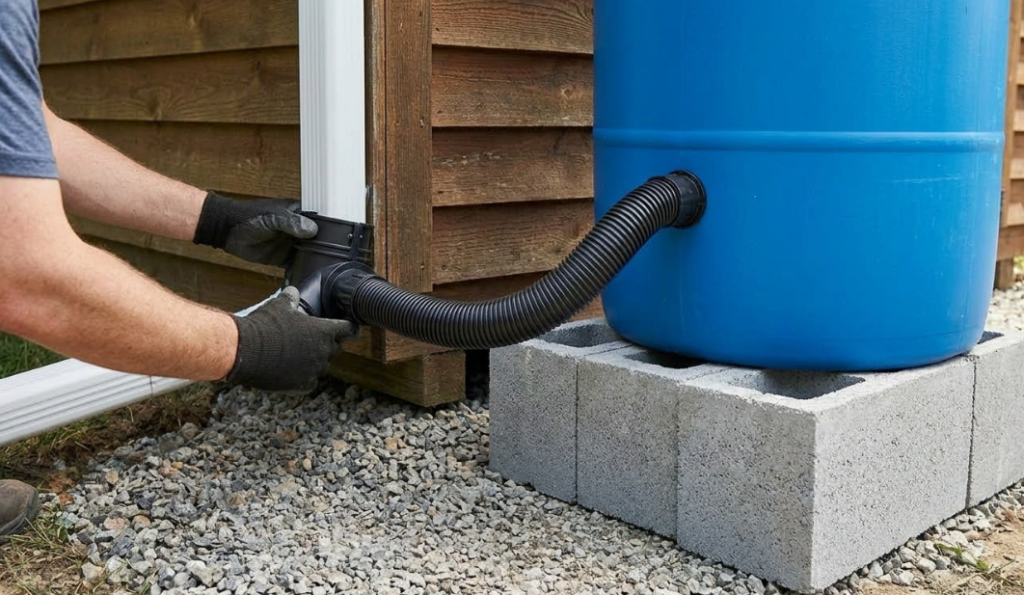
A simple 55-gallon, food-grade drum connected to your home’s gutter downspout is perfect for a suburban homestead garden. It catches the runoff from your roof every time it rains, giving you free water for your raised beds. To set one up, just level the ground under your downspout, install a simple plastic diverter piece into the gutter to route the water into the barrel, and add a standard spigot near the bottom so you can easily fill your watering cans.
2. The Gravity-Fed Bulk Tank
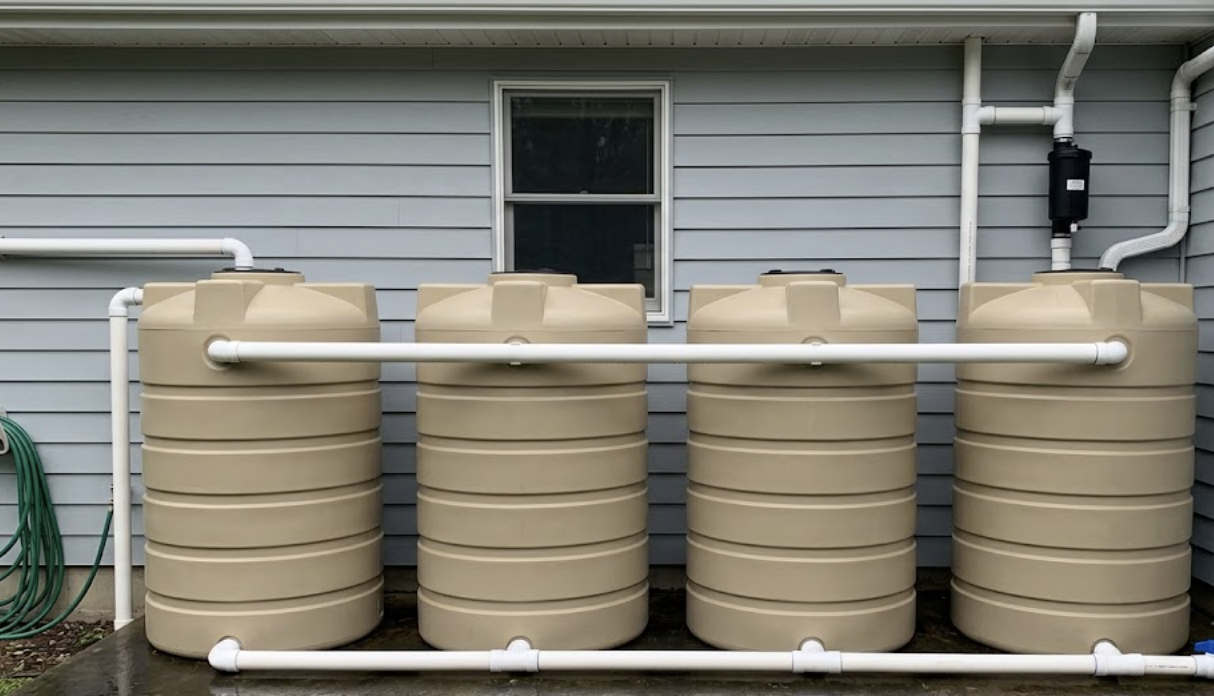
If you are expanding your garden to grow a year’s worth of food, or adding a flock of backyard chickens, a 275-gallon bulk tank inside a metal cage gives you much more storage. You set this heavy tank on sturdy cinder blocks or thick treated timbers to keep it elevated. Once it’s set up, you can fill it using rain from a large roof or even haul water in from town, and attach a simple adapter to the bottom valve so a regular garden hose can water your yard.
3. The Simple Hand Pump
This is the classic cast-iron pitcher pump you might have seen on old family homesteads. It uses manual suction to pull water straight from the ground, meaning it works completely fine even when the power is out. If you live in an area with sandy soil and the water table is less than 25 feet down, driving a metal pipe into the ground to attach one of these pumps is a tough but doable weekend project.

- Vintage Design – Our hand pitcher pump features a classic retro design, ideal for pumping in ponds, gardens, wells, campsites, yards…
- Cast Iron Durable Build – Crafted from cast iron with rust-resistant coating, our pitcher pump is built to endure. The thickened…
- Effort-Saving Handle – Built to fit the palm’s curve, this pitcher pump for well comes with a labor-saving handle, making pump smooth…
4. The Haul-and-Store Cistern
If you live somewhere with long dry seasons, you can buy bulk water and keep it in a large, stationary yard tank. A local water delivery truck simply drives to your house and fills it up. This guarantees you have a steady water supply when the rain stops, keeping your harvest alive as long as you prepare a highly stable, level gravel pad for the tank and schedule your deliveries early before the dry season hits.
Top Tips for a Fail-Proof Water Supply
When collecting rain from a roof, you need to discard the first few gallons of water because it washes all the dirt, pollen, and bird droppings off your shingles. You can buy a simple pipe attachment that traps this dirty water automatically so only clean rain enters your main tank.
You also need to inspect every opening and overflow pipe on your tank and cover them tightly with fine wire mesh to keep mosquitoes from breeding inside. Lastly, because water expands when it freezes, make sure to completely empty your outdoor barrels and leave the bottom valves open before the first hard winter freeze so your pipes don’t burst.
FAQs
Is building an off-grid water system legal in the suburbs? In most places, yes, but local rules vary. Catching rainwater is highly encouraged in many states, but a few restrict how much you can store due to older water rights laws. Always check your local county zoning and homeowner association guidelines before putting in large tanks.
How do I keep algae out when building off-grid water systems? Algae needs water and sunlight to grow. To stop it, you just have to block the sun. Use solid black, dark green, or thick plastic tanks. If you are reusing a white plastic bulk tank, you have to paint the outside black or wrap it tightly in a heavy-duty tarp.
Can I use a blue plastic barrel for drinking water? Only if it is stamped “food-grade” and you know exactly what was inside it before. Never use a barrel that held industrial chemicals or soaps, even if you scrub it out. Stick to watering your garden with these barrels unless you buy them brand new.
How do I keep dirt off my roof out of my rain barrel? You use a simple rain diverter. It’s a small section of plumbing that catches the first initial wash of dirty rain rolling off your roof. Once that small trap fills with the dusty water, the clean water flows right past it and safely into your main storage tank.
How high does my tank need to be for a gravity hose to work? Raising your tank 2 to 3 feet off the ground gives you a slow, gentle flow that is perfect for a drip hose or filling a bucket. If you want stronger water pressure to push water out of a longer hose, you have to raise the tank higher.