Did you know your eggs can last longer than the date specified on the carton? Use this guide to decode the label, the grades, the expiration date, and more. You’ll be pleasantly surprised at how specific each egg carton can be.
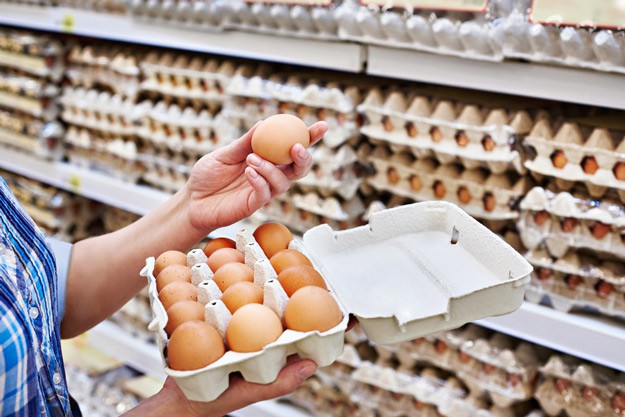
A Guide To Understanding USDA Egg Grades, Labels & Common Terms
Raising chickens means access to fresh eggs on the regular. I’d have to say, in my years of homesteading, it’s been a while since I went to the market to buy eggs. But despite that, you’ll never know when you’ll need to get a carton when you’re not on the farm. This is the USDA’s guide on how to read the egg carton, and make the most of your store bought eggs!

Thank you Woman’s Day for this guide!
Get the Scoop on Eggs
A guide on understanding USDA egg grades, labels and common terms.
Egg Grades
Grade AA
Grade AA is the freshest egg, most commonly used in prepared foods and bakeries. When broken, the yolk and white will not spread out much, covering a small areal. The white is firm and thick, while the yolk is round and stands up.
Grade A
Grade A is the most commonly sold grade of egg. When broken, the contents will spread out a little. The whites are thinner, but still firm and the yolk is round and stands up from the surface.
Date-Stamp Decoded

NOTE: Refer to the example on the infographic
“EXPMAR0214” is a sample expiration or “best by” date. In this example, the eggs expire on March 2, 2014. Some cartons may have a “best by” date instead, but neither is required.
“032” is an example of a packaging date in Julian date format. In this example, the eggs were packaged on the 32nd day of the year – February 1st.
It is best to eat the egg within 3 to 5 weeks from the date of purchase – even if this extends beyond the ‘sell by’ date. – learn more here
“P-1234” is an example of plant code. This number identifies where the eggs were packaged. It is a valuable tool for knowing if your eggs are included in a food safety recall.
Egg Nutrient Content
One egg provides 13 key nutrients, including choline, protein, and Vitamin D.
- Jumbo (30 oz)
- 90 calories
- 6g of fat
- 8g of protein
- Extra Large (27 oz)
- 80 calories
- 5g of fat
- 7g of protein
- Large (24 oz)
- Standard size for recipes and cooking
- 70 calories
- 5g of fat
- 6g of protein
- Medium (21 oz)
- 60 calories
- 4g of fat
- 6g of protein
- Small (18 oz)
- 50 calories
- 3.5 of fat
- 5g of protein
Now that you’ve concluded your eggs are safe to eat, make this!
Does this give you a better idea of what you buy in the grocery? Let us know what you think below in the comments!

You’ll also like: How to Freeze Eggs To Last Longer Than Ever