
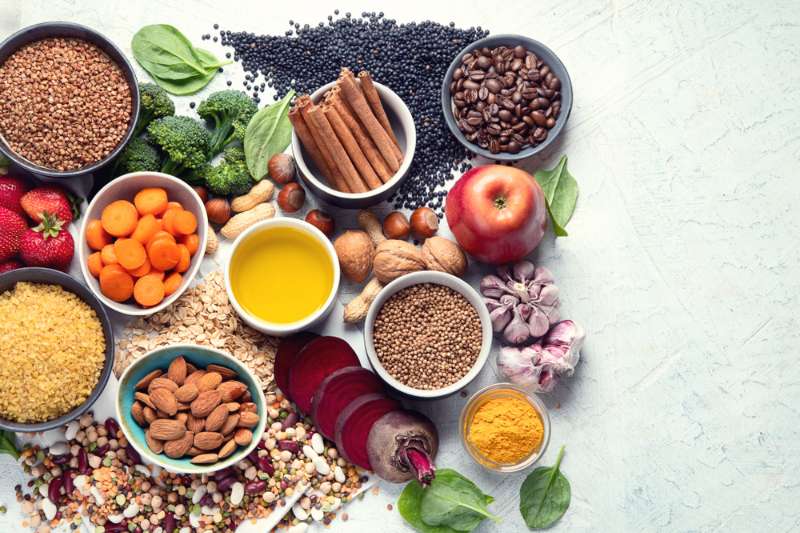

Have you ever thought about the value of your food? Where it comes from? Or what it truly means to reap what you sow? If you’re the love-food-hate-waste type of person, then I’m sure you’ll agree with everything below. Get some tips on how to control food waste now.

The Value of Food & The Epidemic of Food Waste
By Kathy Bernier – The Practical Prepsteader
“What do I do with this?” asked my dinner guest, holding out a plate of beef burgundy, a hesitant expression on her face. She had accepted my invitation for the meal and had assured me that just the thought of my menu selection made her mouth water.
I swallowed the retort that sprang to my mind. I wanted to tell her that the only thing to do with food was to eat it. I wanted to tell her about the value of that food, of how the beef that I had simmered in wine sauce all afternoon was once a living breathing creature. I thought of the crisp October morning when we had used apples to lure the handsome young pasture-raised steers onto the livestock trailer, and of how we cried again two weeks later when we happened to witness strangers saying goodbye to their animal while we were picking up our packages of meat. I wished she could understand how that plate of beef represented so much more than just my work in the kitchen.
“Here,” I replied, reaching for the plate. “I’ll take it.” I scraped the entire serving into the chicken bucket I keep under the sink, consoling myself with the knowledge that at least it wouldn’t be completely wasted.
We don’t waste any food at our house, ever. We work too hard for it, and sacrifice too much, to let it land as a meaningless lump in a landfill somewhere.
However, our household is unusual in that regard. Never has food been of so little value to Americans in general. According to USDA data, we in our country pay a smaller percentage of our income on food than ever. In 1933, people spent 25.2 percent of their disposable income on food. In 2013, that figure was just 9.8 percent. You can see those figures for yourself on this chart:
http://www.ers.usda.gov/data-products/food-expenditures/data-files/food-expenditures/table7xls.aspx
Is it any wonder, then, that our society treats food so casually? In just eighty years, food has changed from something very dear to something so cheap that it’s not even worth taking care to conserve.
It is not only the actual dollars-and-cents cost of food that has diminished in recent generations, but the physical effort and nutritional value that people place on food as well. The USDA chart breaks down the food costs further into “At home” and “Away from home” categories. Back in 1933, almost all food costs were incurred at home, with just 3.3 percent spent away. But in 2013, nearly half – 4.3 of the 9.8 percent – was spent eating out.
This is the age of walking into a restaurant, plunking down a tiny percentage of our income, and opening a paper bag filled with food which required no effort on our parts to prepare or clean up after.
At my house, visitors are welcome and adored. But often their arrival is a reminder of just how far off the beaten foodstyle path I routinely walk.

We entertained a group of out-of-state house guests last year, and I endeavored to keep them all well-fed with our own organic vegetables, free-range meat and eggs, and homemade bread. It was a lot of work, but they appreciated it.
Or at least, most of them did. On the morning I made blueberry muffins for everyone, I was out of the house while people were milling about enjoying a sort of continental breakfast – I was mucking out livestock pens or filling chicken waterers, no doubt – while my husband was picking up in the kitchen.
Click here for a healthy and delicious blueberry muffin recipe

He told me later that he had reached for the sixteen-year-old’s plate she had left on the table but withdrew his hand in confusion. Was she done, he wondered? He had watched her pick at the muffin, literally, breaking off one or two teeny beads of it between her pinched thumb and forefinger, before setting it aside and taking a few delicate nibbles of the fruit slices I’d set out, and then leaving it all uneaten.
The girl’s mother caught my husband’s eye, and misunderstood his confusion.
“We just throw that stuff in the trash at our house,” she directed him.

Click here for our Top Sourdough Bread Homemade Recipe.
It crossed his mind that it was still plenty good to eat, and he considered just chucking it into the bag of untouched muffins to store in the breadbox, but he decided that would be too creepy for our city relatives to witness. Instead, he placed it in the chicken bucket, thought about what marvelous eats the birds were having that week, and grumbled to me later.
“I asked everyone if they liked blueberry muffins, and they all said they did,” I told him. “Even her.”
“She’s probably used to those awful things from the store that taste like cake,” he said.
I’m sure he was right. People that are used to spending just 9.8 percent of their income on food that are not accustomed to real food.
At my house, the muffins are real food. And we do not come by them effortlessly. I picked the blueberries from the bushes we planted and work hard every day to keep the Japanese beetles from devouring. I used an egg from the chickens I tend and milk from the goat whose kids I delivered. I used whole-grain flour I bought in a fifty-pound bag for which I made a special trip to the grist mill. And I greased the muffin pan with lard, rendered in my kitchen out of fat from the pigs I raised.
After all that, you can bet we’re not going to waste it. We have an informal hierarchy of consumption in place which we follow like a kind of dichotomous key.
First – can we eat it ourselves? If it has no mold or other spoilage, and tastes good, then the answer is yes. If it is not spoiled but no longer palatable, we consider putting it to use in something else, like toasting stale bread for croutons or adding leftovers to soup or casserole.
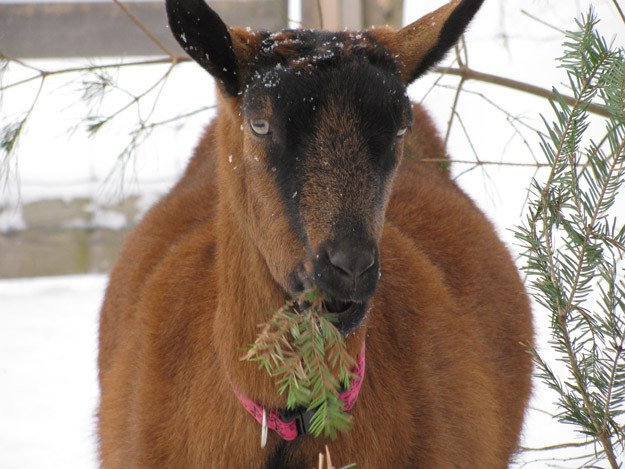

If it is inedible for us, our second question is whether some other farm residents elsewhere might like it. And if so, which ones? There are still plenty of other mouths to feed at our place, and over the years we have developed a pretty good sense of who will eat what. In our experience, goats are fairly picky and cattle are not, but they are both strictly herbivores. If the goats will eat it, they get it. The rest goes to the steers.
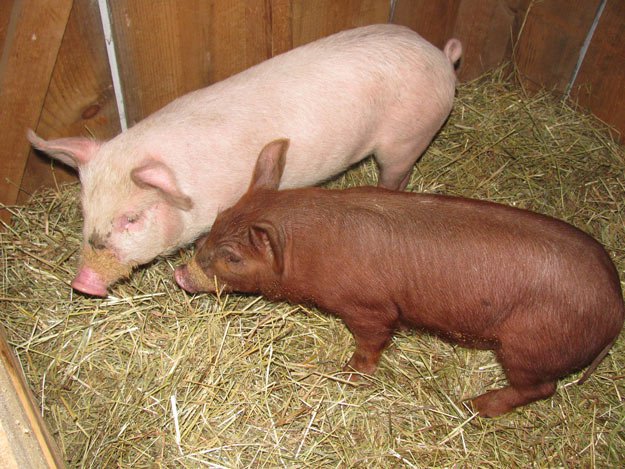
Poultry and pigs are omnivores, so they get a wider selection of scraps, including everything that none of the other animals will eat.
During years that we do not have swine or cattle, we often have too much whey for us or our chickens to consume and other food byproducts that nobody here will eat. When that happens, we try to come up with ways to pass it on to other farms. We can often arrange with neighbors to pick up our swill for their pigs. They stop by and pick up a bucket when they see it on our side porch as they drive past, and leave us a clean one in its place.
Food with actual mold growing on it is not advisable to feed to anyone, not even to chickens. Stuff like that goes into the compost, along with other inedible plant-based products like coffee grounds and tissues. In the end, it’s not wasted, since the compost is eventually added back into our garden soil and the circle of food begins again there.
Bones from meat are one of the few food items that we do put in the trash, but not before we glean as much from it as we can. After a meal of steaks or chops, we simmer the bones and fat in a little water in the pan – which, incidentally, helps make it easier to clean – and save the stock to pour a few spoonfuls over the dog’s kibbles every day. The chickens get the rest of the bones to pick clean, and only then do we put the dry remains in the trash.
In the past generations, mothers insisted that their children eat up their vegetables instead of pushing them around on their plates with a fork, adding for emphasis that there were starving children in some third-world country. Nowadays, mothers don’t seem to care about the starving children half a world away either, and instead join their children in wanton wastefulness of food that those hungry kids would indeed appreciate having.
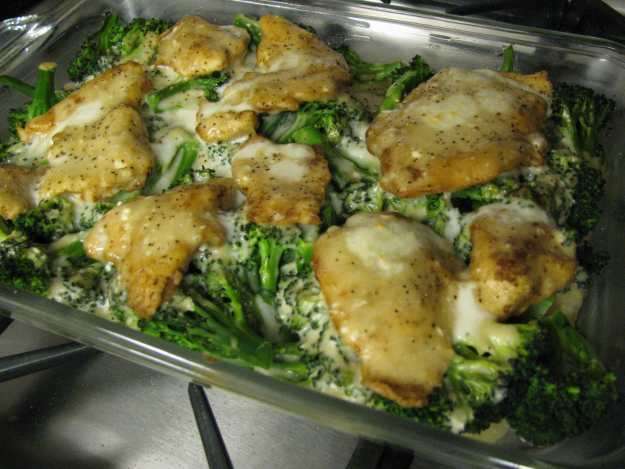
I don’t think it was that my young visitor disliked the muffin. I think she simply lives in a world where it’s more fashionable to be nonchalant about what’s on your plate than dive in with gusto. In a society where cheap food abounds but none of it has much flavor, eating is about taking a nibble and moving on, if for no other reason than because we can.
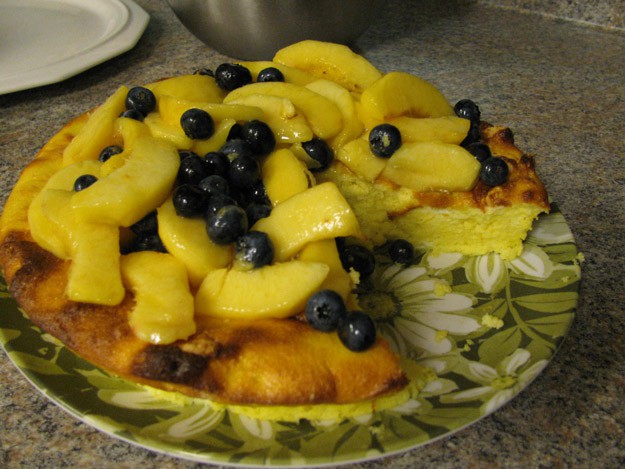
Unless you’re at my place, that is. Around here, we expend way more than 9.8 percent of our hearts and souls on procuring food, and it is so good that you’ll want to lick your plate. And to that I say, go ahead. You’ll want to beat the dog to it, anyway.

What do you think of food waste? Do you reap what you sow? Do you make the most of your hard-earned food? We’d love to know what you think!
