
At a Glance: Going Off Grid
- Cost: What to know before going off grid is mostly free to start. A load list and a rain plan cost nothing. The power station is the one big spend.
- Time: One weekend to list your loads and check your rules. The wood takes a full season.
- Space: Room for a rain barrel and a woodpile that sits off the ground.
- Skill level: Beginner. Wiring a house is a job for a licensed electrician.
Three things I wish I’d known before going off grid. Collecting your own water is easier than I expected. You don’t need a huge solar system right away. And firewood starts in June, not October. Here’s what to know before going off grid, said the way I’d say it over the fence. I’ll also show you how my family gets power. It leans on solar, with propane second and a generator as backup.
As an Amazon Associate, we earn from qualifying purchases.
The 3 things I wish I’d known
- Catch your own water About a weekend, once your local rules check out
- Start small and learn your power numbers A weekend, plus 24 hours on the meter
- Start your firewood early Start now. Dry wood takes a full season
Tools and supplies
Most of this costs very little. The meter is the one tool I’d never skip.
- A plug-in power meter that reads watts, so you can see what each appliance draws
- A notebook for your load list
- A rain barrel with a tight lid and a screen on the inlet
- A first-flush diverter for the downspout, if your barrel kit offers one
- Pallets or two rails to hold your wood off the ground
- A splitting maul or axe you can swing with control, plus eye protection and gloves
- A moisture meter for firewood, to check that it’s ready to burn
- A battery or plug-in carbon monoxide alarm for the house
Do these three things first, in this order
Go in order: water, then power, then firewood. Each one is a small win you can finish before you start the next. Short on time? Do Thing 1 and let the rest wait. That pace is what to know before going off grid if you don’t want to quit by spring.
Thing 1 of 3
Catch your own water
About a weekend, once your local rules check out
Rain is one of the cheapest ways to start becoming water independent, and it’s easier than it sounds. Check your local rules first. Rules differ by state, and some states set limits on barrels and how you use the water. Colorado’s extension service, for example, says most homeowners may use rain barrels, with limits on use and a rule that the barrel needs a sealable lid.
- Call your county extension office and ask what your state allows for rain barrels.
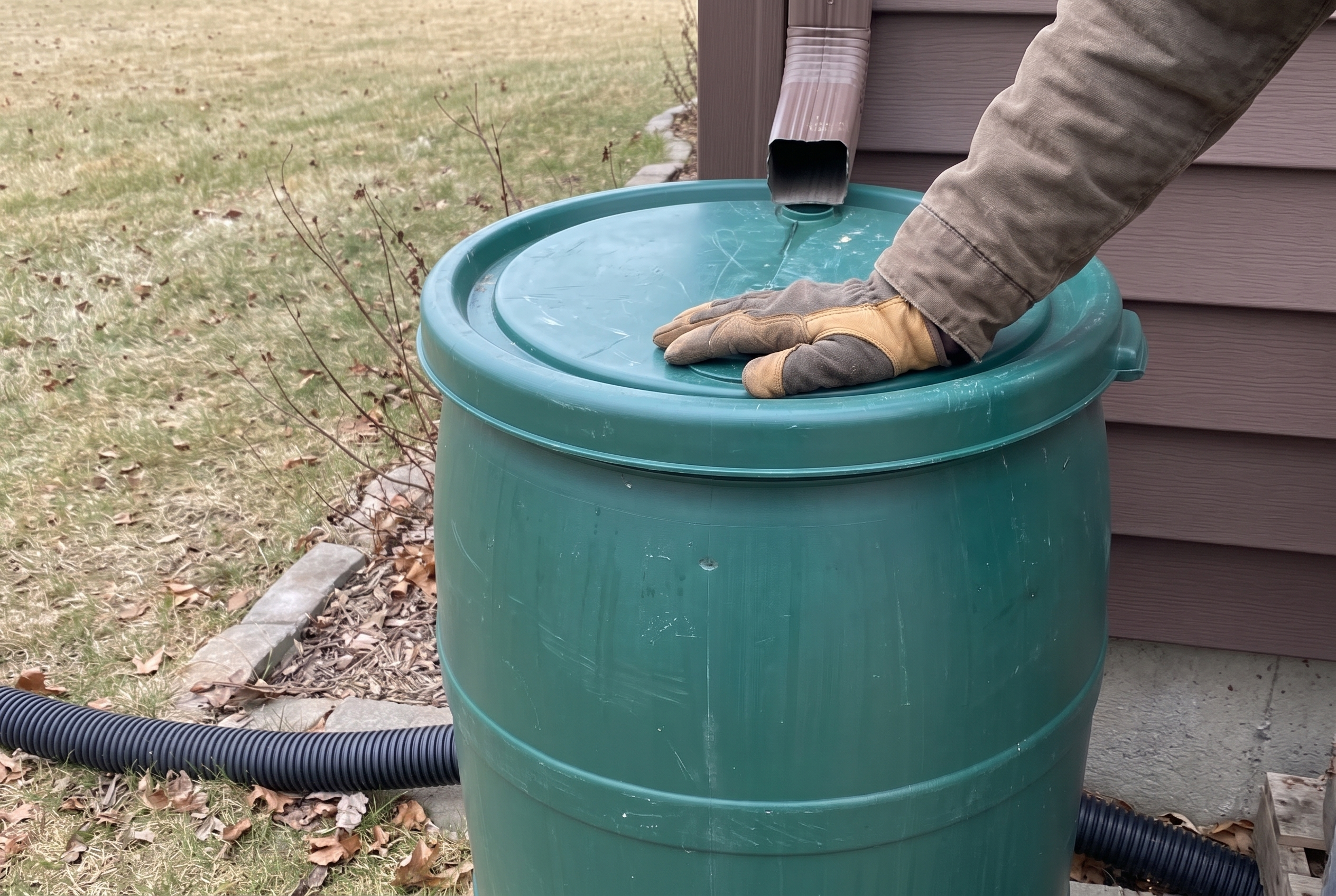
- Pick a downspout that drains a clean section of roof, and set the barrel on a level base.
- Fit a tight lid and a screen so bugs and debris stay out.
- Add a first-flush diverter if you can. The extension service recommends one, because the first rain carries the dust off your roof.
- Use the water on lawns, flowers and shrubs. Ask your extension office before using it on vegetables you’ll eat. Empty the barrel before it sits for weeks. In Colorado the rule is every month or less, and it’s a smart habit anywhere.
STOP POINT: Please don’t drink or cook with barrel water. Roof rain isn’t safe to drink untreated. If you want it for drinking, call your county health department about treatment first.
I like knowing exactly where my water came from. Treatment is its own job, so get the barrel working for the garden before you touch that.
CHECKPOINT: After the first good rain, the barrel fills, the lid stays shut and the overflow runs away from your foundation. If so, you’re done with Thing 1.
Want the full barrel setup? The rainwater harvesting guide covers it, and off-grid water systems is the next step after that.
Thing 2 of 3
Start small and learn your power numbers
A weekend, plus 24 hours on the meter
Know your loads before you buy a battery. A load is anything that draws power. The watts are printed on most appliance labels.
- Walk through your house and write down what you’d want running in an outage. Think freezer, fridge, lights, router and phone chargers.
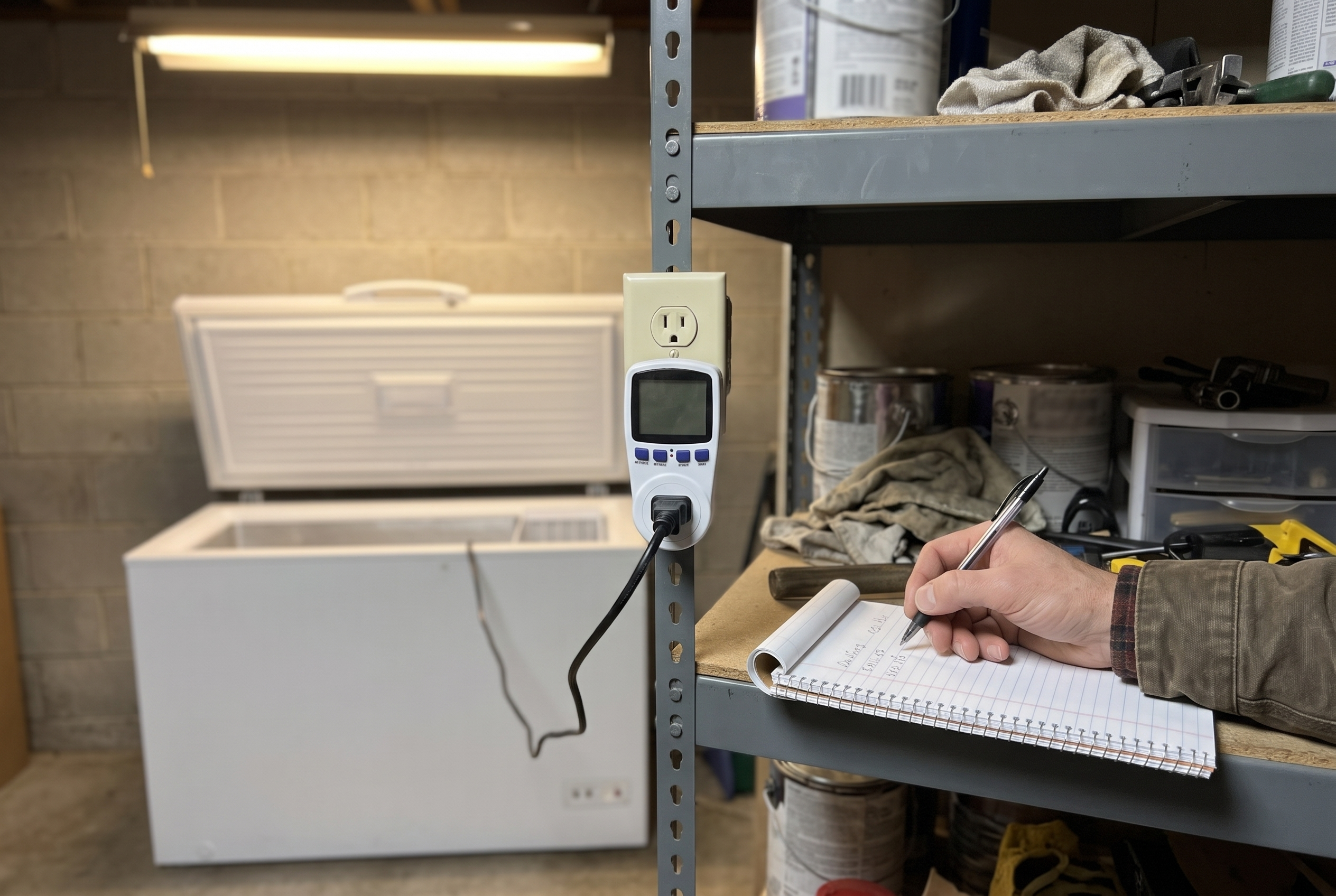
- Copy the watts from each label. For appliances that turn on and off, like a freezer, plug in the power meter for a full 24 hours and write down the energy total in watt-hours, not just the watts.
- Do the math: watts times hours equals watt-hours. Here’s a simple example. A 100 watt load running 10 hours uses 1,000 watt-hours.
- Add up the daily total for your list.
- Compare the total to a battery’s watt-hours. On paper, a 3,014 watt-hour unit holds a little over three of those 1,000 watt-hour days. In real life some energy is lost in the conversion, so plan on less.
CHECKPOINT: You should have one number, your daily watt-hours. It’s the starting point for sizing the battery and panels, and winter sun refills less than summer sun.
As an Amazon Associate, we earn from qualifying purchases.
Once you have your number, here’s where I started. I didn’t buy a big solar array. I bought a portable power station, the Bluetti Elite 300. The maker lists 3,014 watt-hours of battery and 2,400 watts of AC output. That’s about 3 kilowatt-hours in one unit you can move around.
I run my big deep freezer off it, plus my everyday electronics. How long it lasts between charges depends on what you plug in, which is why you measured first.
Here’s the honest part. It weighs about 58 pounds, so pick a spot where you won’t lift it often. It won’t run a whole house. And it’s a big purchase. If you’re not sure, borrow one from a neighbor first. The math you just did is your free test drive.
Here’s why the numbers matter so much. Solar panels make DC power. A battery stores it. An inverter turns it into the AC power your outlets use. The inverter size sets how much you can run at one moment. The panels set how fast the battery refills. Our setup pairs a 3,000 watt inverter with 1,000 watts of solar.
STOP POINT: Plug appliances straight into a power station. Please don’t wire any battery system into your house panel yourself. Hire a licensed electrician and ask your building department about permits.
STOP POINT: If you ever use a gas generator, run it outside only, at least 20 feet from the house, with the exhaust pointed away. The Consumer Product Safety Commission says never run one in a garage, even with the doors open, because carbon monoxide can kill in minutes. Keep working CO alarms in the house.
Ready to size panels from your numbers? Read how to build a homestead backup power system and homestead solar power. Still weighing panels? See five solar questions to ask first. Thinking about a generator? The emergency generator guide comes first.
Thing 3 of 3
Start your firewood early
Start now. Dry wood takes a full season
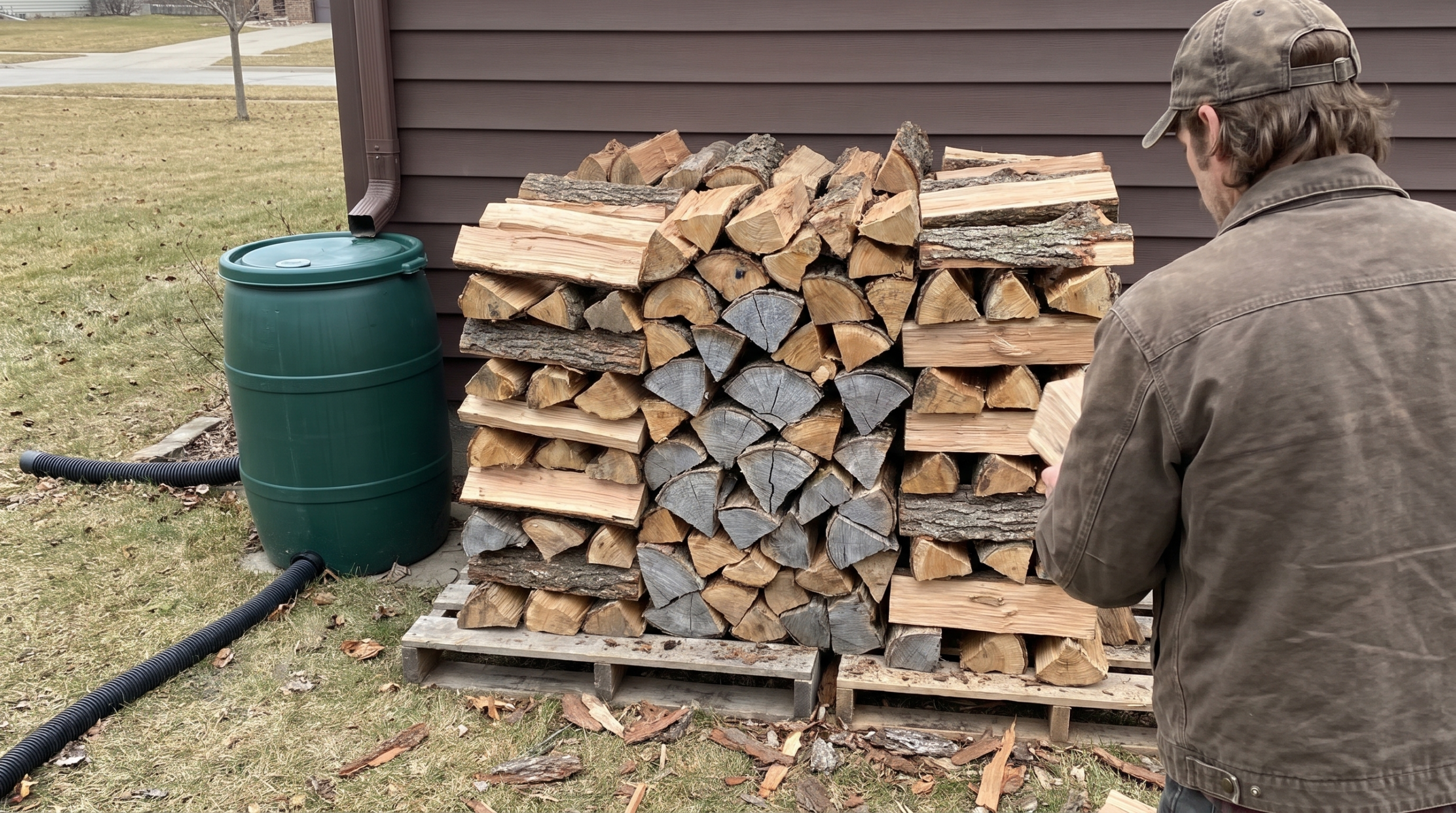
Start gathering firewood in June. If you wait until later, you’re already behind. Wood needs one full drying season, so the clock starts in spring. The Missouri extension service agrees on the timing: fresh wood takes at least one drying season, and it says to stack in spring for the next winter. You don’t want to head into winter wondering whether the house will stay warm. The good news is that chopping wood is one of my favorite chores.
It’s late November as I write this, so you aren’t behind. You’re early for next year. Split what you can this winter and it gets the full run from spring through fall.
- Ask any seller when the wood was split. Wood split a few weeks or months ago often isn’t dry, according to the University of Maryland extension.
- Split your rounds. Smaller pieces have more cut surface and dry faster.
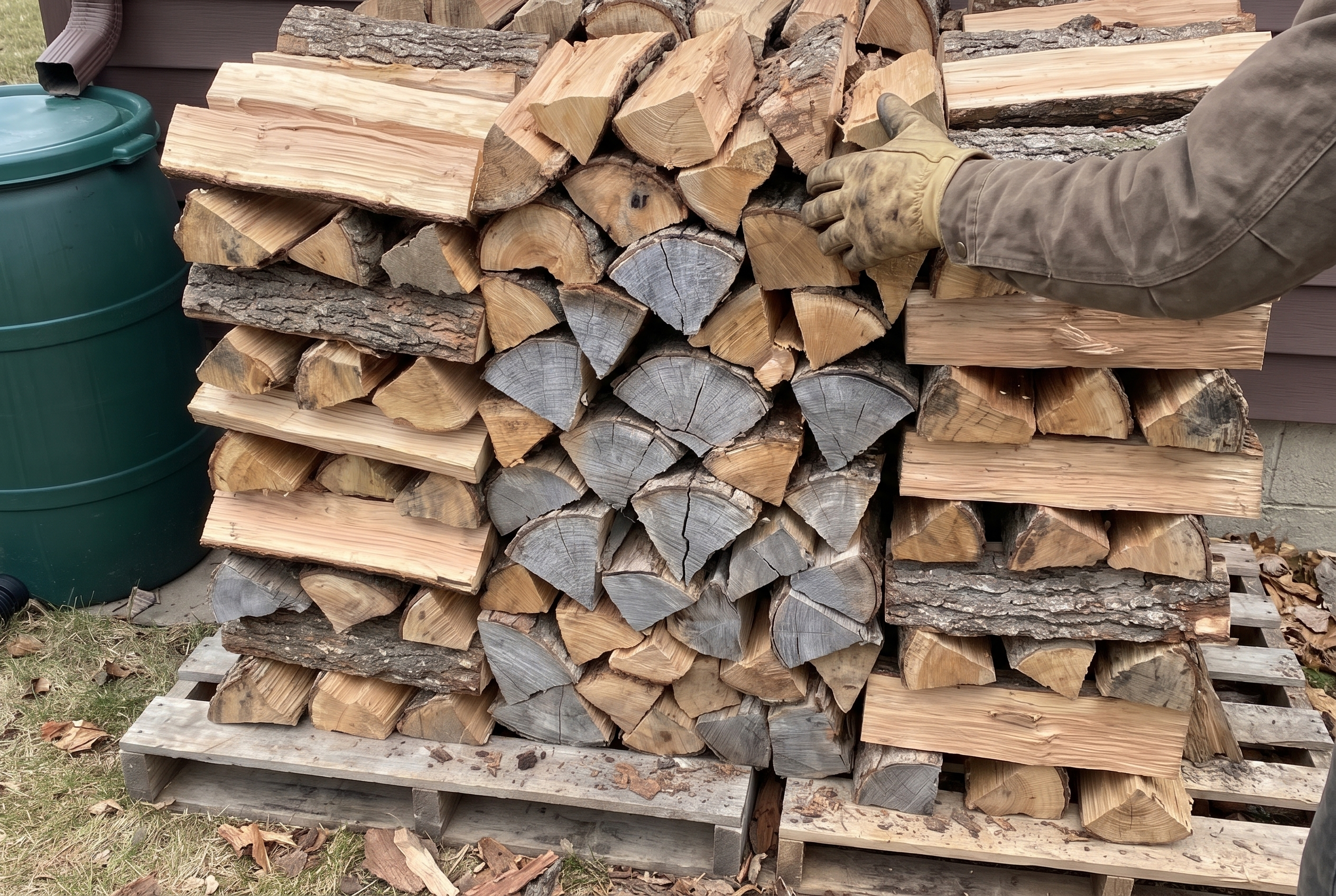
- Stack the wood off the ground on pallets or rails, no more than two layers deep. Cornell’s extension says the stack should stay dry and open to air.
- Cross the ends like a log cabin, or stack so air moves through. The University of Illinois extension suggests a crisscross.
- Cover the top if you can, and leave the sides open.
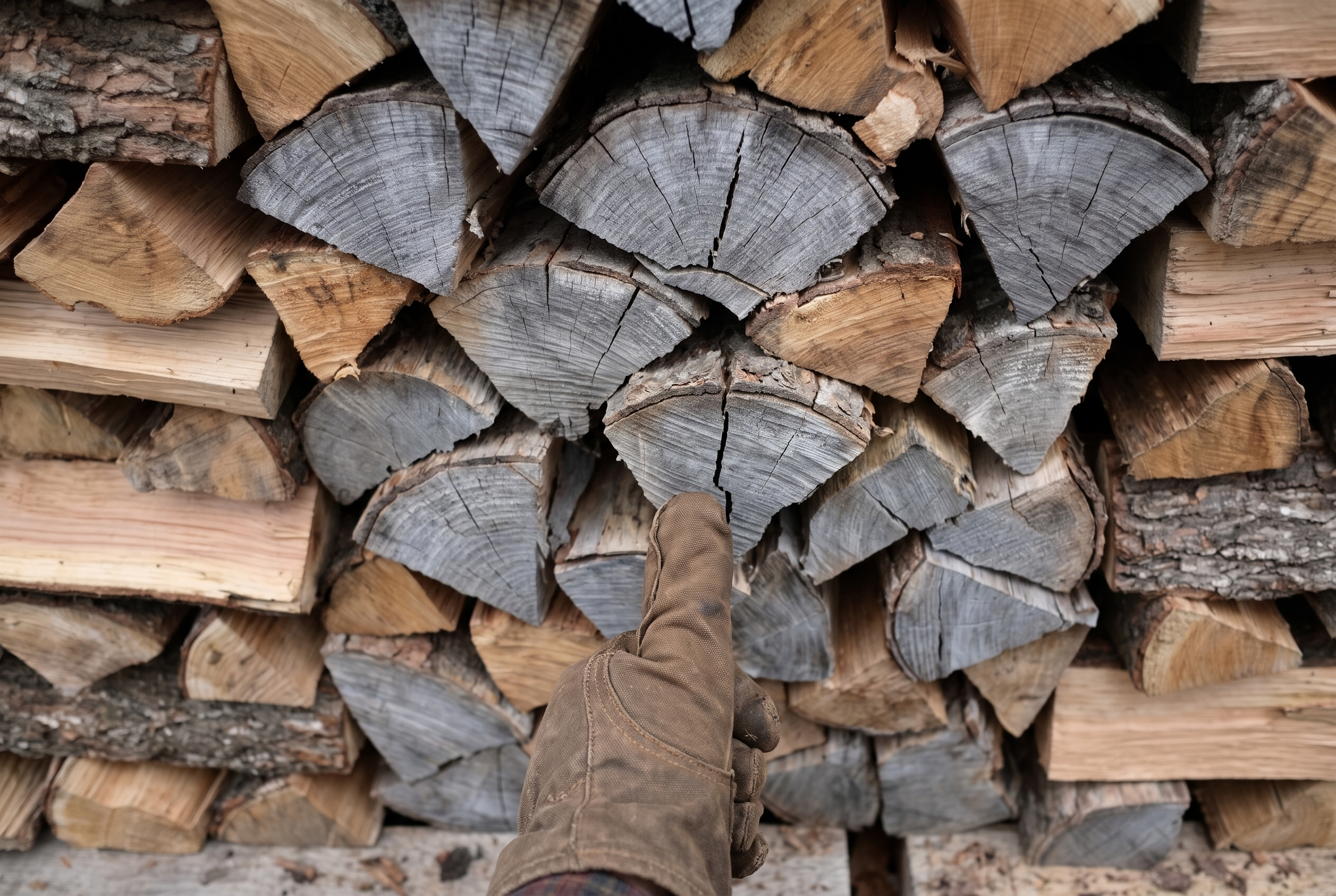
- Split one piece and read a moisture meter on the fresh face. Extension services use 20% or less as the target. Gray, cracked ends are a good first clue, but the meter settles it. Then test a few pieces in the stove. Dry wood lights easy and burns clean, and wet wood hisses.
STOP POINT: Have a professional inspect your stove and chimney before you burn all winter. A blocked flue is a fire and carbon monoxide risk.
CHECKPOINT: Your wood sits off the ground, and a freshly split face reads under 20% on a moisture meter.
Need help with the work? See how to split firewood by hand and which wood burns best.
This is how my family gets power
Part of what to know before going off grid is seeing a real setup up close. This is how my family of five gets power in the Rocky Mountains. It isn’t a plan to copy. A house in the mountains with a propane fridge isn’t your quarter acre. Think of it as a look at how one household splits the work.
| Job | What we use | What it does for us |
|---|---|---|
| Main power | 1,000 watts of solar | Runs Starlink, lights, chargers and sound machines |
| Whole house | A 3,000 watt inverter on a battery bank | Powers the house from stored energy |
| Second source | A 500 gallon propane tank | Fuels the fridge and stove, which saves electricity |
| Backup | An 11,000 watt tri-fuel generator | Powers the house and charges the batteries when the sun is short |
| Extra | A solar generator | Runs the home office |
| Next step | A planned 12,000 watt inverter | A bigger upgrade we’re working on |
Here’s the part I’d copy first. We split the jobs across fuels. The fridge and stove run on propane, so the battery doesn’t have to carry those loads.
STOP POINT: Propane tanks live outdoors, never inside a home, garage or shed. If you smell gas, which smells like rotten eggs, leave the area right away and keep flames and sparks away. Call your propane supplier or 911 from a safe place, and don’t go back until a pro says it’s safe. For rust or a dent on the tank, call your supplier before the next fill. The Propane Education & Research Council has the full steps.
Troubleshooting
Most problems here show up as a simple symptom. Match yours, then fix the cause.
| Symptom | Cause | Fix |
|---|---|---|
| Power station shuts off when an appliance starts | The appliance draws more watts than the unit’s output | Check the label watts against the unit’s rating, and move the big load to another fuel |
| Battery drains faster than your math said | Cycling appliances and conversion loss | Read the plug-in meter for a full day and add a safety margin |
| Firewood hisses and smokes | The wood is still wet | Split smaller, restack with more airflow and wait a season |
| Rain barrel smells or has bugs | Standing water or an open inlet | Empty it, add a screen, keep the lid tight |
| CO alarm sounds | A fuel appliance or generator is putting out carbon monoxide | Get everyone outside to fresh air, then call 911 |
Shortcuts to avoid
These are the quick ways that cost you twice. I’d skip all of them.
- Buying a huge solar array first. You’d pay for size before you know your loads. A meter reading and a load list come first.
- Running a generator in the garage with the doors open. Open doors don’t clear carbon monoxide fast enough. Outside, 20 feet away, every time.
- Drinking barrel water because it looks clean. Clear water can still carry what washed off your roof.
- Trusting “seasoned” wood split a few weeks ago. Ask when it was split, then check the ends and test a few pieces.
- Wiring a battery into your house panel yourself. That’s a licensed job, and a mistake can hurt people.
When to call a pro
Calling a pro isn’t a failure. It’s how you do it once. Hire out anything that touches your house wiring, a gas line, a chimney or drinking water.
- A licensed electrician for any house wiring and a transfer switch, plus a permit check with your building department
- Your propane supplier for tank siting, refills, and rust or dents on a tank. If you ever smell gas, leave first, then call your supplier or 911 from a safe place
- A chimney sweep or stove installer before you burn all winter
- Your county health department for drinking water from rain
- Your county planning office for zoning, permit and septic rules before you build or change anything
Buy once
Buy in the order you learn your numbers. What to know before going off grid about gear is simple: the best buy is the one sized to your own meter readings.
Best
Buy once, keep for years
- Power: A power station sized to your measured daily total, with room to add panels later
Better
Solid gear, lower cost
- Power: A 3 kilowatt hour class unit like my Bluetti Elite 300 (paid link), if your total supports it
Budget
Start with what you have
- Meter: A plug-in power meter
- Water: A rain barrel with a tight lid
- Wood: A stack of pallets to hold the wood off the ground
Where to start this week
Here’s what to know before going off grid, and it fits on a sticky note. Check your barrel rules, then set the barrel under a downspout when the ground isn’t freezing. Plug the meter in and write down what your freezer really draws over 24 hours. Split a few rounds and stack them off the ground. Each job takes a weekend or less, and each one tells you what to buy next. Finish one before you start another. By spring you’ll know your numbers, your water plan and your wood plan.
Planning for winter heat? Read living off grid in winter. Still deciding if this life is for you? Start with consider living off grid. For more hard-won lessons, read living off the grid.
Those are the things I wish someone had told me. If this is the kind of thing you’re curious about, follow along for more.
Frequently Asked Questions
What to know before going off grid if I want to start this winter?
Start with Thing 1 and check your state’s rain barrel rules this week, then set the barrel up when the ground isn’t freezing. Meanwhile, measure your freezer with a plug-in power meter and split and stack wood for next year. Leave wiring, propane work and chimney checks to licensed pros.
Is it legal to collect rainwater?
Rules differ by state. Colorado’s extension service says most homeowners may use rain barrels, with limits on use and a sealable lid. Call your county extension office before you buy a barrel, and never drink the water without treatment.
Why does a power station matter before a big solar array?
It shows you your real loads, and that’s why I started there. Plug a meter into your freezer and router and you’ll see watts and watt-hours. Those numbers size the battery and panels later. Without them, you might pay for a system twice.
What to know before going off grid about firewood timing?
Wood needs a full drying season. The Missouri extension service says fresh wood takes at least one drying season and suggests stacking in spring. Split now and stack off the ground, and you’ll have dry wood next fall.
Can I run a generator in my garage if the doors are open?
No. The Consumer Product Safety Commission says run generators outside only, at least 20 feet from the house, with the exhaust pointed away. Open doors don’t clear carbon monoxide. Keep working CO alarms inside.
Power Station First or Full Solar From Day One?
A power station is quick to set up and teaches you your loads, but it costs real money up front and won’t run a whole house. A full solar system covers more, but it takes planning, wiring by a pro and a bigger budget before you know your numbers.
Drop your reason below.