
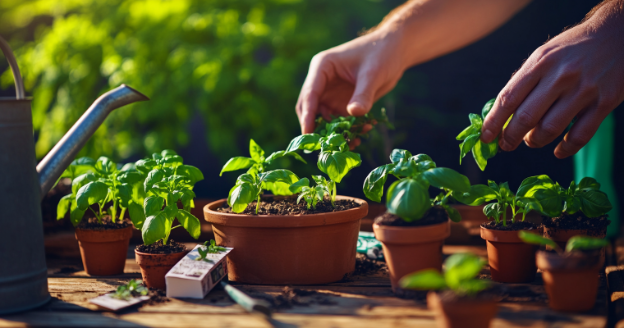

Seed saving was once part of every growing season. Before seed catalogs and hardware store packets, gardeners sustained their harvests by replanting material that had already proven successful. These plant lines adapted over time to local soil, climate, and care.
Today, collecting your own planting stock helps reduce reliance on outside suppliers. With prices rising and commercial options shrinking, it allows homesteaders to protect traits that work best in their space. Saving these resources also improves self-reliance, strengthens future crops, and preserves diversity.
Why Seed Saving Matters on a Homestead
Saving seeds gives you control over what grows in your garden. Kernels or starts taken from the healthiest plants pass those traits forward. That means better yields, stronger resistance, and more reliable growth year after year.
It also protects rare or regional varieties. Most store-bought packets are hybrids, which do not produce offspring with the same qualities. In contrast, open-pollinated heirlooms remain true to type from season to season. Groups such as Seed Savers Exchange work to preserve these genetic lines and make them widely available.
Understanding Seed Types: Open-Pollinated vs. Hybrid
Choosing the right variety determines the success of your efforts. Open-pollinated strains come from plants that naturally pollinate and consistently produce offspring with the same traits.
Hybrid varieties, often labeled as F1, are the result of crosses between two parents. They are bred for yield, uniformity, or disease resistance. However, saving kernels from hybrids will not grow predictably and may carry weak or unwanted traits. Look for varieties marked “open-pollinated” or “heirloom.”
Collecting Seeds: What to Watch For
Harvest seeds only after they have fully matured. Immature seeds lose vigor and may not sprout at all.
Harvesting by Crop Type
Different crops require different handling when it comes to seed collection. Timing, maturity, and processing methods vary by plant type. Below are key practices for harvesting by crop.
- Tomatoes and cucumbers need time to over-ripen on the vine. Scoop out the seeds and ferment them for 2 to 3 days before rinsing and drying.
- Lettuce and kale must bolt and set seed. Collect once the heads begin to dry and scatter.
- Peas and beans dry in the pod. Wait until seeds rattle before shelling and storing.
- Carrots and beets require two seasons. Grow and store roots in the first year. Replant them in early spring to collect seeds the second year.
The University of Illinois Extension site includes crop-by-crop seed-saving charts.
Cleaning and Drying Seeds the Right Way
Proper cleaning and drying enhance storage and prevent mold growth. After harvest, separate seeds from pulp, chaff, or debris.
- Wet-seeded crops like tomatoes require fermentation. Let pulp sit in water for two days, then rinse and dry on a screen.
- Beans, peas, and grains can be shelled once dry. Discard cracked or damaged seeds before storage.
- Lettuce or spinach seeds need gentle rubbing over a mesh screen to remove fine chaff. Use a fan to separate seeds from lighter waste.
To test dryness, seal a small batch in a jar with a dry paper towel. If condensation appears after a day, allow more drying time.
How to Store Seeds for Long-Term Success
Seeds store best in dark, dry, and cool places. Use labeled containers and record the collection date and variety of each item.
Effective storage practices:
- Use paper envelopes, canning jars, or vacuum-sealed bags
- Keep between 32°F and 60°F in low humidity
- Add silica gel packs to reduce moisture
- Store off the ground, away from sunlight and temperature swings
The USDA’s National Laboratory for Genetic Resources Preservation outlines storage methods for maintaining seed viability.
Planning for Stronger Seeds Next Season
The best seeds come from the best plants. Track which crops grew early, resisted pests, and produced well. Avoid collecting seeds from plants that are weak or diseased.
Remember these seed-saving tips:
- Save from five or more plants of each variety to maintain genetic diversity
- Space crops apart to reduce unwanted cross-pollination
- Keep notes on planting date, weather patterns, and harvest quality
- Test germination before planting by sprouting a few seeds in a damp towel
Each season you save seeds, your garden becomes more productive and more adapted to your climate.
How Seed Saving Supports Homestead Resilience
Seed saving protects more than your food supply. It builds independence, reduces costs, and strengthens your connection to the land. Saved seeds carry your garden’s history forward while giving future crops a better chance to thrive.
Have you saved seeds this season? Tell us which varieties worked best and how you plan to grow from them next year.
FAQs
Which seeds are easiest for beginners?
Beans, peas, tomatoes, and lettuce are easiest to save. These crops produce seeds that are visible and dry quickly, making them ideal for storage.
Can seeds from store-bought produce be saved?
Sometimes. Many store vegetables come from hybrids. Look for heirloom or open-pollinated produce if you plan to collect seeds.
How long do seeds stay viable in storage?
Most vegetable seeds last two to five years when stored properly. Test germination each year to ensure success.
2 thoughts on “Seed Saving Basics: How to Collect and Store Seeds from Your Garden”
interesting
yes true