
At a Glance: Homesteading on a Budget 2026
- Start at your kitchen counter to save money before spending on outdoor gear.
- Master one specific skill each season to prevent financial and emotional burnout.
- Only use lab-tested preservation recipes to keep your family safe from foodborne illness.
Do you feel like the ground is shifting under your family’s feet while the grocery bills keep climbing? That it makes you want that calm, steady self-reliance, but you’re scared of doing it wrong or wasting money on a “prepper” fantasy that doesn’t work. Modern homesteading on a budget is very much possible in 2026 and this guide will prove you how so.
Safety and Equipment
Before you start, remember that your health is your most valuable asset.
- Safe Recipes: When canning, only use recipes from the USDA, Ball, or the National Center for Home Food Preservation.
- Tool Safety: Wear gloves and eye protection when building garden beds or using a saw.
- Non-Toxic Materials: If you’re building raised beds, ensure the wood was not treated with harmful chemicals as it can leach into your food.
RELATED: How to Can Food in 13 Easy Steps
Step 1: Reclaim the Heart of Your Home

You don’t need expensive machines to start producing for your family. Before you ever think about livestock or land, focus on mastering one skill at a time, like bread-making or fermenting.
- Learn to make a simple loaf of bread or a sourdough starter before buying any other kitchen gadgets.
- Once you’re comfortable with baking, try making your own yogurt, then save your vegetable scraps to make broth.
- Pick one day a week to handle these “batch” tasks to develop these habits.
- Once you have successfully done all of the above, that means you’re ready to take on larger homesteading projects.
I like starting in the kitchen because you can actually see progress without spending a bunch of money. Sourdough bread is one of those small wins that makes the whole homesteading thing feel doable. This is my go-to starter jar kit:

- 【Sourdough Starter Kit】 Complete baking supplies- include the Sourdough Starter Container, 9″ Bread Proofing Bowl & baking tools…
- 【24 oz Sourdough Starter Jar】24 oz capacity is enough to make 2-4 sourdough loaves. You can easily add flour and water to…
- 【Perfect Gift】Enjoy baking sourdough bread with family and friends. Our kit has necessary tools and you don’t need to worry other…
Step 2: Grow Only What Your Life Can Handle
It’s tempting to dig up every inch of your lawn, but doing too much too soon is the fastest way to get overwhelmed. Instead, plan a garden you can grow using the tools you already have and the hours you actually have available between work and parenting. By focusing on just a few reliable plants in a small space, you ensure a successful harvest that’ll motivate you to keep going. It’s better to have one thriving garden bed than a whole field of weeds you won’t have the energy to manage.
- Focus on the Soil First: Before you buy a single seed, start a compost pile to build healthy soil for free.
- Plant the Reliable Five: Stick to tomatoes, zucchini, green beans, lettuce, and herbs in your first year.
- The Small Space Rule: Limit yourself to one 4×8 raised bed for the entire first season to prevent burnout.
- IMPORTANT: Check your local city rules or HOA guidelines before building any structures to avoid expensive fines.
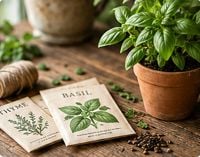
I can get carried away with seeds fast, and that is exactly how a small garden turns into another unfinished project. I buy seeds from this store:

- Curated Collection – This Collection features 10 of the most popular and high-yielding vegetables and herbs for home gardening…
- 10 Vegetables – Including Genovese Basil, Marketmore Cucumber, Scarlet Nantes Carrot, Di Cicco Broccoli, Black Seeded Simpson Lettuce…
- Premium Seeds – All seeds in this collection are heirloom varieties, non-GMO and open-pollinated. Sourced from trusted suppliers and…
Step 3: Invest in Quality Tools Slowly

Becoming truly self-reliant means learning to build and fix things yourself so you aren’t always waiting on a repairman. While it’s more convenient grab a cheap bundle of tools from a big-box store, those often fail right when you need them most, leading to wasted money and frustration. Instead, focus on buying one high-quality, durable tool at a time as your specific projects require them. This slow growth builds a shop that will last for decades and gives you the skills to maintain your own property.
- Build a Core Kit: Save up for one professional-grade drill and one quality circular saw rather than a bucket of plastic alternatives.
- The “One Skill per Year” Goal: Aim to learn one trade skill, like basic woodworking or fence repair, each year.
- Follow a Five-Year Plan: View your home as a long-term project; focus on the garden in year one, and don’t even think about chickens until year two.
- Ask yourself: Is your tool storage dry and organized? Protecting your gear from rust is a key part of homesteading on a budget.
Three tools earn their spot fast in a beginner kit: a tape measure, a multi-bit screwdriver, and a utility knife. They cover measuring, tightening, and cutting which handles a lot of small homestead jobs without overbuying. This is my starter trio gear:


Follow us on Instagram, twitter, and facebook!
FAQs: Homesteading On A Budget Tips
- How do I learn to homestead while on a budget with a full-time job? Focus on your “Weekly Rhythm.” Spend just two hours on a Saturday prepping food or tending your garden. Homesteading should simplify your life, not make it more complicated.
- What is the best way to start homesteading on a budget in a small apartment? The kitchen is your best friend. You can bake bread, ferment vegetables on the counter, and grow herbs in a sunny window without any land at all.
- Why can’t I just use my grandmother’s old canning recipes? Canning science has changed. Old recipes may not account for modern acidity levels in food, which could lead to botulism. Always use current, lab-tested instructions.
- Is it cheaper to buy or build a chicken coop? If you have the tools, building is cheaper and results in a stronger coop. However, don’t buy a saw just for one project; see if you can borrow one first.
- How much money do I need to start? You can start today for under $20 by buying a bag of flour and a few seed packets. Avoid the “gear first” trap.
Hot-Take Poll
Is a homestead really a homestead if you don’t have livestock like chickens or goats?
Tell us more about your answer.