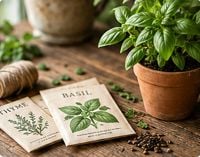
At a Glance: Homesteading for Beginners
- Start in the Kitchen: Start at the counter with a sourdough starter to build immediate confidence.
- Don’t Overexpand: Master a single new skill each season to prevent mid-summer burnout.
- Prioritize Safety: Always follow lab-tested, approved recipes for any home food preservation.
In 2026, most families are looking at their suburban lots not just as grass to be mowed, but as assets to be managed. You won’t be needing 40 acres or a doomsday bunker to get that sense of peace and security. If you want to take the road t self-sufficiency, this homesteading for beginners guide will help you get started.
RELATED: Canning 101: Water Bath vs Pressure Canning (Which Do You Need?)
Safety & PPE
- Tool Safety: Wear eye and ear protection when using power tools like drills or circular saws.
- Food Safety: Botulism is a real risk in canning; never “wing it” with recipes.
- Physical Safety: Use a wheelbarrow for hauling soil. You don’t wanna get injured before gardening season starts.
Step 1: Start at the Kitchen Counter

When exploring homesteading for beginners, the most frequent mistake is starting out in the yard, instantly grabbing a chainsaw. Instead, start at the kitchen counter.
Try a natural progression of from-scratch cooking:
- Sourdough Starter: It replaces a weekly grocery purchase and introduces you to the world of “living” food.
- Broth and Stock: Render your own fats and make broth from scraps for nutrient-dense meals.
- Yogurt and Cheese: Cheese-making skills will take you out of the industrial dairy loop.
Sourdough bread is one of those small wins that makes the whole homesteading thing feel doable. This is my go-to starter jar kit:

- 【Sourdough Starter Kit】: Complete baking supplies- include the Sourdough Starter Container, 9″ Bread Proofing Bowl & baking tools…
- 【24 oz Sourdough Starter Jar】:24 oz capacity is enough to make 2-4 sourdough loaves. You can easily add flour and water to…
- 【Perfect Gift】Enjoy baking sourdough bread with family and friends. Our kit has necessary tools and you don’t need to worry other…
As an Amazon Associate, we earn from qualifying purchases.
Step 2: Keep Your First Garden Small
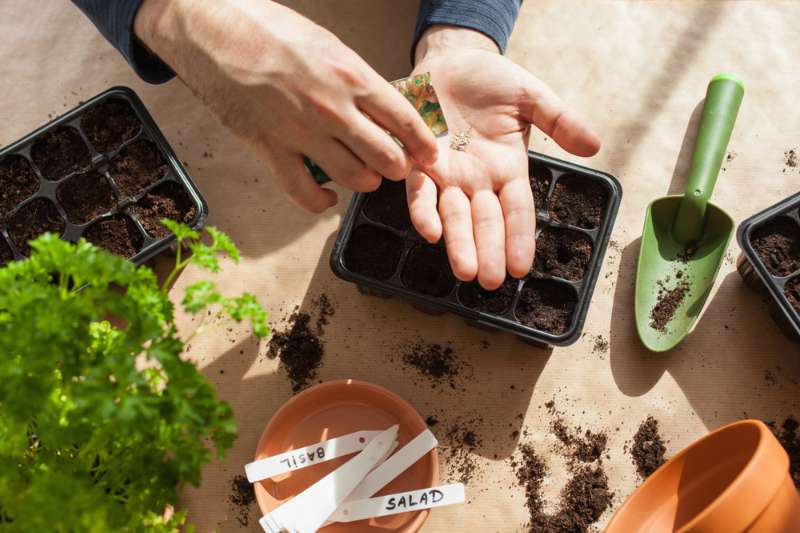
Once your kitchen routine is set, that’s when you move to the yard. But beware of the “turning the whole yard into a garden” trap as it’s the fastest way to get discouraged. Instead, plan only what you have the time, physical energy, and tools to manage right now.
For example, start by building a 4×8 raised bed and plant these five beginner-friendly crops:
- Tomatoes: High yield and versatile for canning.
- Zucchini: Nearly impossible to kill and highly productive.
- Green Beans: Great for your first foray into preservation (freezing or canning).
- Lettuce: Fast-growing for immediate salad “wins.”
- Herbs: The highest return on investment per square inch in the garden.
By focusing on just these five crops, you’ll get a harvest that’ll actually make it to the dinner table. Always prioritize your soil, spending more on high-quality compost and minerals than you do on the seeds themselves.
Also if you’re wondering, I buy seeds from this store:

- 15 Herb Seeds Variety Pack – 4300 Seeds Included: Start your own herb garden with this all-in-one heirloom herbs seeds kit. Includes…
- Herb Seeds for Hydroponic Garden and Indoor Pots: These herb seeds for planting indoors thrive in hydroponic systems, AeroGarden…
- Perfect Christmas Gift for Gardeners & Home Chefs: This herb seed starter kit makes a thoughtful Christmas gift for mom, dad, or anyone…
Step 3: Preserve Food Safely
As the garden grows, fears usually sets in next for many trying homesteaders. Specifically, they worry about food contamination. To ensure safety, stick strictly to tested recipes. Only use canning guidelines from the USDA, Ball, or the National Center for Home Food Preservation.
IMPORTANT: Never modify the ratios of acid (vinegar/lemon juice) or salt in a canning recipe. These are science-based safety guards, not suggestions.
Start with water-bath canning for high-acid foods like jams and pickles. It has a lower risk and requires less expensive equipment compared to pressure canning.
Food preservation is one place where I don’t like improvising. Starting with jams, pickles, and other high-acid foods feels a lot less overwhelming than jumping straight into pressure canning. Personally, this water bath canning kit is the beginner setup I’d keep ready for that first safe batch.

- Our products are versatile and efficient, but please note: they are NOT SUITABLE for use on GLASS COOKTOPS or INDUCTION STOVETOPS.
- 21.5-quart water bath canning pot with lid, providing the durability and heat resistance essential for effective canning. Easy to…
- Five piece toolset: Featuring a bubble remover (1) and ruler: A flexible, tapered silicone scraper that efficiently releases trapped…
Step 4: Build Your Core Tool Kit
Commit to learning basic trades. You don’t need a massive shop; you just need a core tool kit:
- A Pro-Grade Drill: Spend the extra money here; it’s your most used tool.
- A Circular Saw: For building raised beds and simple coops.
- A 4-Foot Level: Because “flat and level” is the prerequisite for everything that lasts.
Take the time to build one small project like a tool caddy or a compost bin to practice handling basic infrastructure.
Step 5: Master a Small Flock
If your local zoning allows it, chickens are great when you’re getting into homesteading as a beginner. Before you consider a cow or even a goat, master a small flock of 3–6 hens.
Integrate them into your yard’s natural cycle. Here are some of the benefits of raising a small flock:
- You can turn kitchen scraps into high-quality fertilizer.
- Chickens provide daily protein
- They can help clear garden beds at the end of the season.
The Right Mindset for Sustainable Growth
As a modern homesteader, play the long game. Pace yourself over a five-year arc: dedicate your first year to the garden and kitchen, your second year to chickens, and your third year to advanced preservation.
Before taking on any new project, ask yourself: “Does this actually simplify my life, or am I just doing it for the aesthetic?” If a project feels like a burden, cull it aggressively. Your homestead should be a source of calm and not make you feel like a burden.
Homesteading for Beginners: Basic Troubleshooting
Here are a couple of problems beginner homesteaders encounter and the solutions:
- Symptom: You feel like a “fraud” because your garden died.
- Cause: You likely missed a crucial soil-prep step or hit a pest cycle.
- Fix: Keep a “failure journal.” Document what died and why, then fail differently next year.
- Symptom: You’re overwhelmed by the homesteading “to-do” list.
- Cause: You’ve probably tried to master too many domains at once.
- Fix: Stop all new projects. Return to the kitchen and bake one loaf of bread. Reconnect with the simple “why” of your homestead.
Homesteading for Beginners 2026 FAQs
What is the single best first step for homesteading for beginners?
Start with a sourdough starter in your kitchen. It requires zero land, costs pennies, and immediately shifts your identity from consumer to producer.
Can I start homesteading for beginners in a suburban HOA?
Yes. Focus on “edible landscaping” (herbs and tomatoes in flower beds) and internal kitchen skills. If chickens are banned, use plant-based compost and soil-building techniques to enrich your yard without livestock.
Is home-canned food really safe from botulism?
Absolutely, provided you follow strict, lab-tested recipes. Botulism cannot grow in high-acid environments (like pickles) or in food processed at the correct pressure and time.
How much time does a beginner homestead actually take?
Start with 30 minutes a day. Homesteading for beginners is about building a weekly rhythm, not a daily grind. One “batch day” for baking or canning is more efficient than trying to do everything every day.
Do I need a greenhouse for my first year?
No. Stick to five basic crops in a simple raised bed. Greenhouses add complexity and “management debt” that most beginners aren’t ready to handle in their first year.
Hot-Take Poll
Should a beginner homesteader buy a “ready-to-use” chicken coop, or is it better to build your own from scratch?
- Buy It: Get the birds settled and save your energy for learning the animals.
- Build It: If you can’t build the coop, you shouldn’t be responsible for the lives inside it.
- Hybrid: Buy the frame, but customize the predator-proofing yourself.
Drop your reasoning below. The winning argument for “Build vs. Buy” earns a spot in our next infrastructure roundup!