
Last Updated: June 2026
Want to know how to compost? Your homesteading guide for How To Compost starts here.
At a Glance: Composting for Beginners
- Keep a steady ratio of three parts dry materials to one part wet scraps.
- Keep the bin as damp as a wrung-out sponge and turn it weekly.
- Skip meat, dairy, and oils to prevent backyard pests and foul odors.
What is Composting?
Composting is the natural process of recycling organic household waste into rich food for your garden plants. It turns everyday kitchen scraps and yard trimmings into clean, dark soil using tiny beneficial microbes.
To help you manage this system easily without any odors, it helps to understand how these microbes live and how this process transforms your backyard garden.
Feeding Your Soil Microbes
The entire decomposition process relies on tiny underground organisms that eat your household scraps. When you take care of these invisible helpers by giving them a balanced diet, they quickly create a nutrient-rich material that naturally protects your garden plants from drought and disease.
The Basic Natural Lifecycle
In a backyard setup, your organic waste breaks down through a simple combination of nitrogen, carbon, fresh air, and moisture. When these four elements are balanced, your scraps break down cleanly without creating bad smells, eventually looking and smelling like fresh forest soil.
Composting Benefits
Starting a small system right outside your back door lets you take direct control of your household waste loops. Turning trash into an asset transforms your yard while helping you rely less on commercial store-bought products.
Here is a list of the top reasons to begin this process today:
- Free Garden Nutrients: Finished compost eliminates the need to buy synthetic, store-bought chemical fertilizers for your landscape beds.
- Moisture Retention: Adding rich organic matter helps your garden beds hold onto water much longer, which keeps your plants safe during dry summer spells.
- Soil Structure Repair: Compost loosens heavy, sticky clay soils and gives loose, sandy soils the structural body they need to hold onto valuable nutrients.
- Household Waste Reduction: You can divert up to one-third of your household trash away from local landfill services, making your home significantly more self-contained.
Is Composting Legal?
Yes, composting is completely legal across the United States, though individual towns and neighborhood boards often have rules about how you contain the materials. Most local laws simply require you to keep your bin tidy so it does not draw wild animals or bother neighbors.
Navigating these local restrictions is very straightforward if you choose the right equipment. Let’s look closer at how homeowners associations and municipal codes look at backyard bins.
Homeowners Association Rules and Yard Bins
If you live on a smaller lot with strict neighborhood guidelines, avoid open, messy piles completely. Using a neat, professional container keeps your project hidden from view and prevents any complaints from your neighbors.
Local Town Codes and Enclosed Bins
Many towns require food waste to be kept inside a fully enclosed container with a secure, locking lid. An elevated plastic tumbler or a heavy-duty bin prevents local wildlife from digging into the mix while sealing in necessary moisture.
What to Never Compost
Keeping your backyard bin smelling fresh requires you to be very careful about what you toss inside. Certain household items create bad smells, bring in rodents, or introduce pests that can ruin your entire system.
Make sure these specific items never go into your collection bucket:
- Meat, Bones, and Fish Scraps: These elements decay slowly, produce severe odors, and attract wild pests like rats, raccoons, and neighborhood dogs.
- Dairy, Butter, and Cooking Oils: Fats coat your compost materials, seal out vital oxygen, cause sour smells, and slow down your entire system.
- Dog and Cat Manure: Unlike livestock manure, pet waste contains dangerous parasites and pathogens that can survive in cool compost and contaminate edible garden crops.
- Glossy Paper and Colored Inks: Heavily printed magazines, metallic packaging, and chemically bleached items contain industrial toxins and heavy metals.
Weeds with Mature Seed Heads: If your beginner pile stays cool, weed seeds will survive the process and sprout all over your vegetable beds next spring.
How To Compost | Homesteading Compost Guide
Click here to jump to the infographic.
Your garden will never really reach its full potential until you give it everything it needs. And what does your garden need? Compost, of course!
What is compost made of?
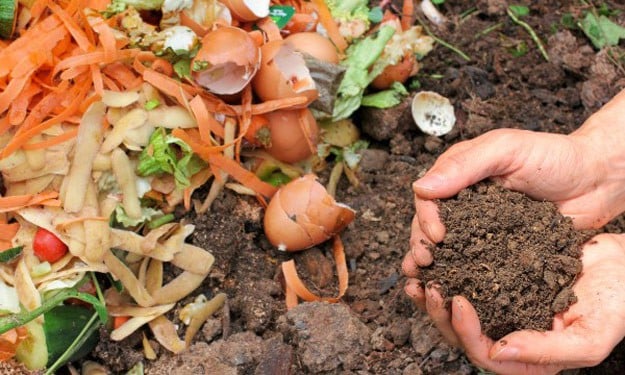
Compost is decomposed organic material that’s rich in nutrients for garden soil. It’s essentially broken down kitchen scraps and brown waste such as paper and cardboard.
How Does It Work?
Microbes in the soil eat and reproduce as they feast on the warm, moist, and oxygen-rich soil. They turn all the organic matter into the soil.
Click here for: Vermicomposting | Fertilize With Worm Castings
How to Make Compost:
- About 3 feet of space (in a container or in a pile)
- water & oxygen
- 2 parts dry brown materials
- 1 part green materials
Composting Basics
What to put in:
Green Materials (Nitrogen)
- Kitchen scraps like unused veggies and fruits
- Shells from nuts and eggs
- Coffee grounds and organic tea bags
- Garden scraps like weeds, old plants, and grass clippings
- Pet hair
- Dirt and dust from dustpan/vacuum
Brown Materials Carbon)
- Shredded paper and cardboard
- Napkins, paper towels
- Junk mail and newspaper
- Sawdust and wood shavings
- Dead leaves, straw, and hay
- Natural fibers like wool and cotton (cut into strips)
What to avoid:
- animal bones and meat
- shiny or glossy paper
- dairy
- plants that are diseased
- anything oily or fatty or with oily/fatty residue
Getting Started
Step 1: Aerate
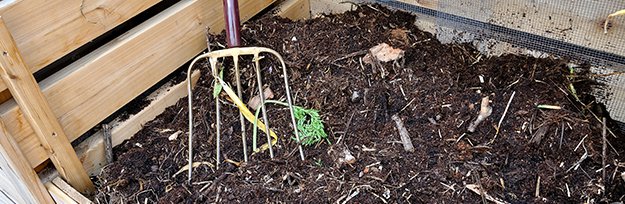
Mix and turn the compost once a week to aerate the mixture. This helps distribute the contents evenly and gives the microbes fresh oxygen.
Step 2: Water
The compost should feel like a moist sponge. Any more or less and the composting process will be slowed down.
Step 3: Use it!
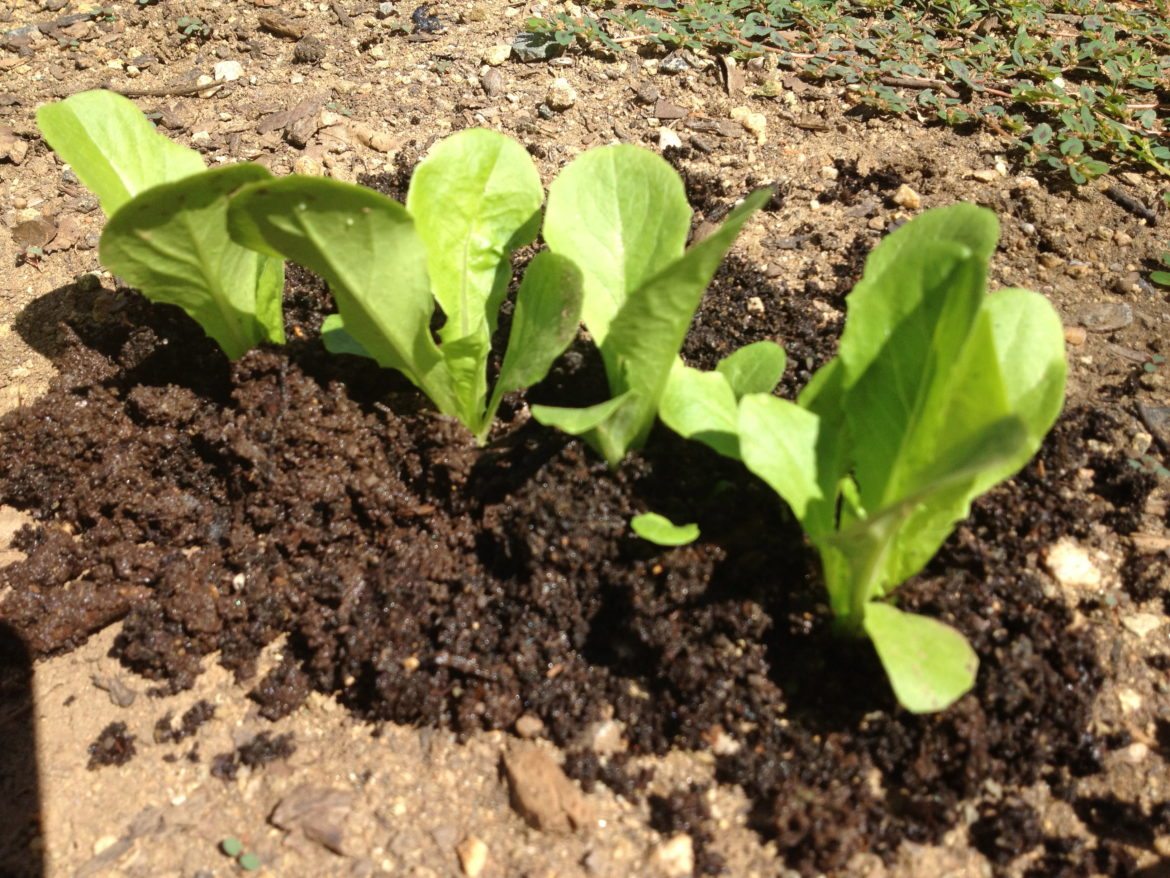
Once all identifiable organic matter has turned to healthy dark-brown soil, the compost is ready! Add it to the garden and feed plants with nutrient-rich homemade compost. Here are some tips:
- Boost potting soil: Add compost to potting soil when you pot plants for a nutrient boost.
- Till into soil: Mix compost into the soil at the beginning of every planting season.
- Side-dress pants: Add a ring of compost around plants before watering. The water will help carry the nutrients into the plants.
Don’t forget to download, save, or share this handy infographic for reference:
![How To Compost [INFOGRAPHIC] | Homesteading Composting Guide](https://homesteading.com/wp-content/uploads/2025/12/20200213-Homesteading-Composting-Guide-scaled.jpg)
Frequently Asked Questions
How long does it take to get finished compost for beginners?
A healthy backyard system operating on standard household waste needs at least a full season to break down completely. While some online sources claim you can make soil in two weeks, real domestic decomposition takes four to six months under normal conditions. You will know it is ready when the original food items are completely unrecognizable, and the bottom of the bin holds a dark, crumbly material that smells exactly like fresh, clean rain in a forest.
Can I practice compost for beginners if my HOA bans open piles?
Yes, you can easily manage a compliant system by investing in an enclosed, dual-batch plastic compost tumbler. These elevated units keep your organic waste completely out of sight and off the ground, fulfilling standard suburban neighborhood aesthetic requirements. Because they lock tightly and sit on a raised steel frame, they prevent any neighborhood pest issues or visible clutter, making them perfect for strict residential zones.
What should I do if my pile gets completely waterlogged after heavy rain?
If a heavy storm leaves your bin waterlogged and sloppy, you must act quickly to prevent sour odors. Use your shovel to turn the materials, introducing much-needed oxygen into the compacted floor. Mix in a large volume of highly absorbent carbon materials, such as dry wood shavings, torn egg cartons, or chopped straw, to soak up the excess water and restore proper airflow.
Is it safe to add citrus peels and onions to my bin?
Yes, you can safely add moderate amounts of citrus peels and raw onion scraps from your kitchen. A common internet myth suggests that these acidic items will kill off your beneficial soil microbes or hurt earthworms. In a standard mixed backyard pile, your micro-organisms will easily balance out the natural acidity as the materials decompose. Just chop large citrus peels into smaller pieces so they break down at the same speed as your other kitchen scraps.
Can I add autumn leaves from trees that were sprayed with lawn chemicals?
No, never use leaves, twigs, or grass clippings from yards that have been treated with persistent commercial herbicides or systemic pesticides. Some modern lawn chemicals are specifically designed to survive the biological breakdown process for months or even years. If you compost these treated materials, the residual toxins can stunt or kill your vegetable crops when you apply the finished soil to your garden beds next spring.
Do Coffee Grounds Make Good Compost?
Yes, morning coffee grounds make a wonderful addition to your pile and help activate the decomposition process quickly. Even though they look dark and brown, they act as a wet, nutrient-rich material that feeds hungry soil bacteria.
Can I Put Toilet Paper Rolls in My Compost?
Yes, plain cardboard toilet paper rolls and paper towel tubes are perfectly safe and highly beneficial for your backyard bin. They act as excellent dry material to absorb excess moisture from your kitchen food scraps.
Are you going to try these composting tips? Let us know below in the comments!