Gravity Fed Water Systems At-A-Glance
- Gravity-fed water systems move water from a higher elevation source to a lower point using gravity alone, eliminating the need for pumps or electricity.
- These systems are commonly used in off-grid homes, gardens, livestock watering, and rainwater harvesting setups to supply reliable water flow with minimal maintenance.
- Key components typically include a water source at elevation (tank or reservoir), piping, and outlets, with system performance depending on vertical drop (head) and pipe size.
- Gravity systems are valued for their simplicity, low cost, and energy efficiency, though they require careful design to ensure adequate pressure and flow.
- Proper installation and maintenance help prevent issues like leaks, airlocks, and sediment buildup, ensuring long-term performance.
Related: Easy To Build Chicken Watering Stations
Gravity Fed Water Systems
A gravity fed water system is a simple and reliable way to move water without electricity or mechanical pumps. By using elevation and gravity, these systems provide consistent water flow for homes, gardens, and livestock in off-grid or low-infrastructure settings. When designed correctly, gravity-fed systems are cost-effective, energy-efficient, and easy to maintain over the long term.
It is simple, but it can become difficult under certain conditions, such as:
- The distance the water has to flow to reach its destination point.
- The slope of the incline determines how fast and how easily the water flows.
- The size of the pipes you use and whether they have to be interchanged.
- How many side extensions will be used?
- The type of terrain.
The gravity fed water system is used to pull the water from springs, streams, creeks, rain barrels, and rivers upstream or uphill from the water source. You can use this system to provide water to your shower, gardens, animal barns, and even your whole house if you have it set up properly.
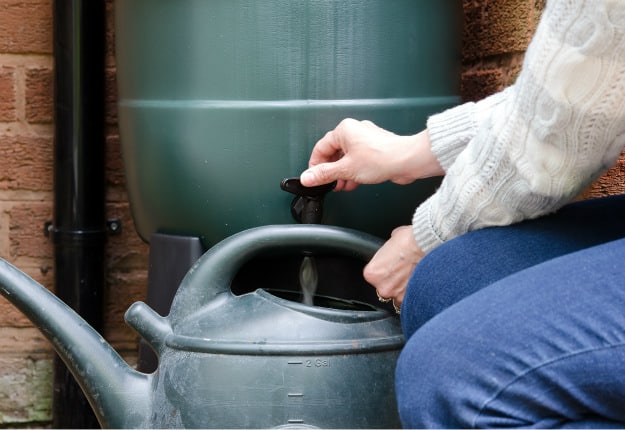
My first gravity system project consisted of an off-grid shower system for my house. This is one of the most basic and easy of all to do, so I figured it would be a great place to start for beginners.
Now, the system I installed for my shower didn’t pull water from a creek or anything. What I did was use a solar pump to draw my water up from the spring-fed cistern into my water barrel upstairs. I installed a barrel above the shower in order to use gravity to allow me a running shower.
The house I lived in was designed for off-grid living, so there was a platform built directly above the shower for this specific purpose. If you don’t have an above-shower platform, no worries, you can build or buy one. The platform should be somewhere between 7-9 feet high in order to get a good pull. If you don’t have a functioning rain barrel, they’re pretty easy to make; you can even use a heavy-duty 5-gallon bucket. A system that is even easier to design and set up is a garden watering system because not all houses were designed to be built in an off-grid manner. Using this system will save money on your water bill, if you have one. Let’s get to it.
Rain Barrels

Here is a link to an article on how to make your own rain barrel and rain catchment system using the roof of your home or shed. You can find all of the parts at most hardware stores, and it’s easy to put together. So once you have your rain barrel ready, you need to build some sort of lifted platform to allow the gravity to provide the water pressure you need to use your hose for the garden.
One thing to keep in mind is that the further the distance the water has to travel is the higher you’ll want your platform. I use a 50-gallon barrel, and it weighs over 400 pounds, so your platform has to be strong enough to hold a full load. You can purchase pre-made platforms, or you can build them yourself. I didn’t have to build my outdoor platform for my gardens because I had an old set of concrete steps that worked just fine for it. If your water doesn’t have to travel far, you’ll only need a 3-5 5-foot platform that is wide enough to hold your rain barrels, but you can make it as high as you need. Just remember it has to hold the weight.
So why do some people prefer to use gravity-fed water systems instead of electric or anything else? Well, the thing is, depending on the location, it could actually be one of the best options available. It’s free energy. For others, it may be a case of being so far out in the woods that there is no running water. I personally choose this way because it is available, and I prefer to be as self-sufficient as possible. In a survival situation, if the grid goes down, it will be considered a luxury to have running water!
Why Gravity-Fed Water Systems Are a Smart Choice
Gravity-fed water systems offer a dependable, energy-free way to move water where it’s needed. Their simplicity makes them ideal for off-grid living, emergency preparedness, and sustainable water management. With thoughtful planning and proper installation, these systems can provide years of reliable service.
Explore a Gravity-Fed Water System for Your Needs
If you’re looking for a low-cost, low-maintenance water solution, consider designing a gravity-fed water system for your home, garden, or livestock. Review your available elevation, plan carefully, and start building a system that works with nature instead of against it.
Up Next: Natural Antibiotics To Have Around The Homestead
What do you think of Gravity Fed Water Systems? Let us know in the comment section below!
Frequently Asked Questions About Gravity Fed Water Systems
What is a gravity fed water system?
A gravity-fed water system moves water from a higher source to a lower destination using gravity alone. It requires no pumps or electricity, relying instead on elevation difference to create water pressure.
How much elevation is needed for a gravity fed system?
Even small elevation changes can work, but more vertical drop creates greater water pressure. System performance depends on total head height, pipe diameter, and distance traveled.
What are gravity fed water systems commonly used for?
They are often used for off-grid homes, garden irrigation, livestock watering, rainwater collection, and emergency water supply systems.
Do gravity-fed systems provide enough water pressure?
Pressure depends on elevation and system design. While they may not match municipal pressure, properly designed systems can supply adequate flow for many household and agricultural uses.
What are the main components of a gravity fed water system?
Most systems include an elevated water source (tank or reservoir), piping, valves, and outlets. Filtration may also be added to protect pipes and improve water quality.
Are gravity-fed water systems low maintenance?
Yes. With fewer mechanical parts, gravity-fed systems typically require minimal maintenance, mainly checking for leaks, clogs, or sediment buildup.