
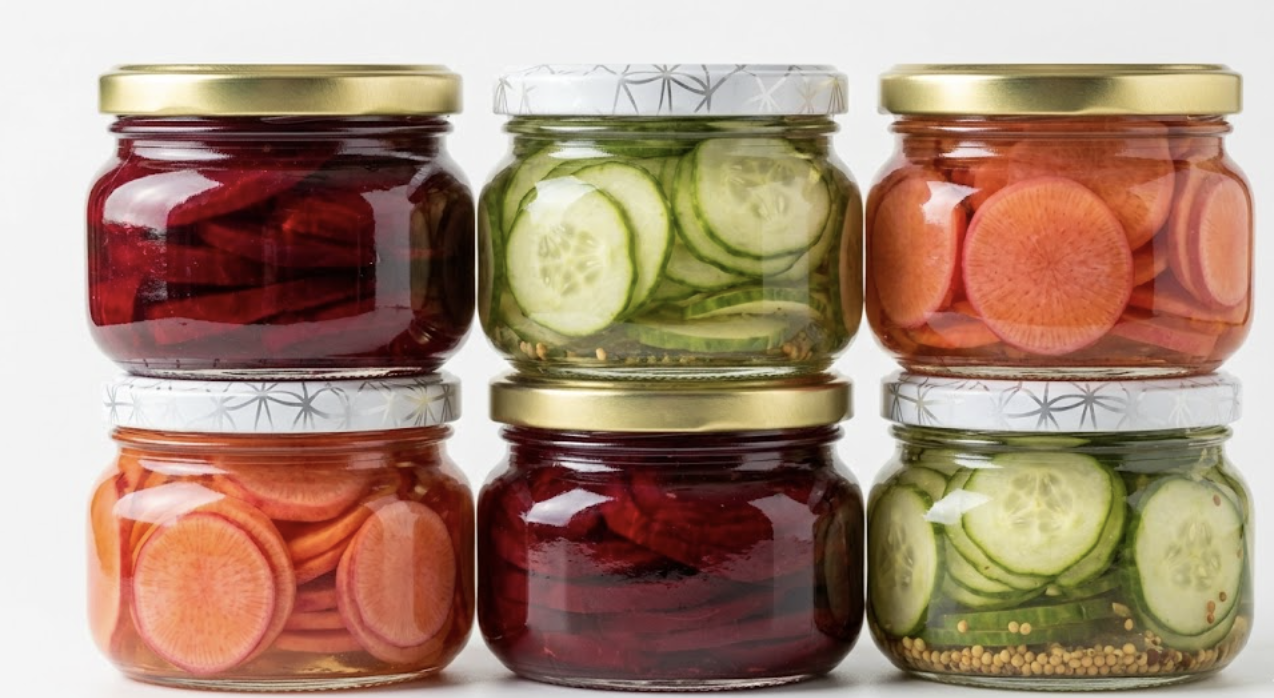

At a Glance: How to Pickle Summer Vegetables
- Keep summer vegetables raw so they stay crisp.
- Use a simple half-water, half-vinegar liquid.
- Store jars in the fridge to prevent spoiling.
Is your kitchen counter overflowing with summer bounty? Want to save those vegetables before they rot but kinda nervous about food preservation? This guide can help you.
The safest, easiest way to pickle summer harvest vegetables is to skip the canning completely and use your refrigerator. Let’s break it down below.
RELATED: 5 Easy Fermented Vegetable Preservation Recipes for Beginners
Benefits of Pickling Summer Vegetables
- Buys You Time: It immediately stops your fast-ripening vegetables from going bad on the counter before you can eat them.
- Uses What You Already Have: You don’t need to buy a pressure canner; you just need glass jars and a refrigerator.
- Keeps the Kitchen Cool: You don’t have to boil a massive pot of water for hours on a hot July afternoon.
- Adds Healthy Crunch to Meals: It gives your family a homemade, flavorful side dish with zero weird store-bought preservatives.
Best Summer Harvest to Pickle
Some summer vegetables can’t survive the pickling process. Here are the ones that are ideal for this method:
- Cucumbers: The classic choice. You must slice off the blossom end of the cucumber. The blossom tip holds an enzyme that will turn your entire jar of pickles mushy.
- Peppers: Bell peppers, jalapeños, or banana peppers hold their shape and crunch beautifully.
- Green Beans: Often called “dilly beans,” these pack easily into tall jars and soak up garlic flavor perfectly.
- Cherry Tomatoes: You can pickle these whole. Just poke a single pinhole in the skin with a toothpick so the flavor can get inside.
- Summer Squash: Slice zucchini or yellow squash into thin coins. They pickle incredibly fast.
Can You Pickle Summer Vegetables Without a Canner?
Yes, absolutely. We are making what homesteaders call “quick pickles.” The vegetables stay completely raw. We only heat the liquid to dissolve the salt, then pour it over the raw vegetables to keep their summer crunch.
🛑 STOP POINT: REFRIGERATOR ONLY Refrigerator pickles are exactly what they sound like. They must stay in the refrigerator because they’re NOT shelf-stable. Never store these in a warm pantry or cabinet. If you want pantry-safe jars that sit on a shelf for a year, you must use strict, USDA-approved water-bath canning rules.
How to Pickle Summer Vegetables Step-by-Step
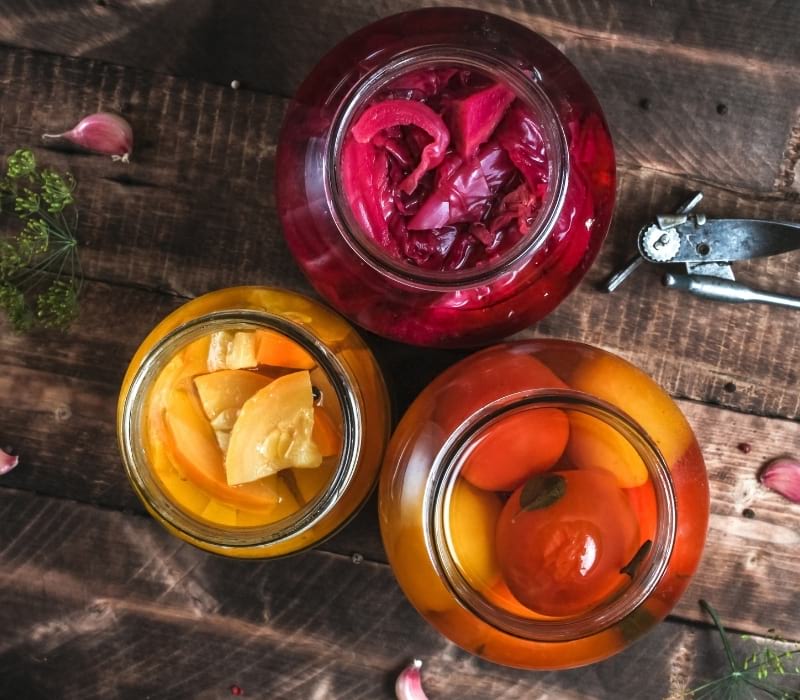
Now that you have your vegetables picked out and your glass jars ready, it’s time to put it all together. Making refrigerator pickles is not a complicated science experiment; it comes down to two simple parts: mixing your ingredients (the brine) and packing your jars.
Note: This specific “raw pack” process is designed exclusively for cucumbers, peppers, green beans, cherry tomatoes, and summer squash. Do not try to use this raw method for dense root vegetables (like thick carrots) or spongy things like eggplant, which require cooking first.
Here is exactly what you need and the exact steps to follow.
What You Need (The Brine Components)
You do not need a complicated recipe to get a safe, delicious result. Here’s the liquid mixture:
- The Liquid: 1 part water to 1 part vinegar. (Note: The vinegar must say “5% acidity” on the label. White vinegar or apple cider vinegar work best).
- The Salt: 1 tablespoon of pickling salt or kosher salt for every cup of water used.
- The Spices: Keep it simple. Plan for 1 clove of crushed garlic, a sprig of fresh dill, and a pinch of black peppercorns per jar.
The Process
- Wash and Prep: Wash your jars in hot, soapy water. Wash your vegetables, slice them, and remember to trim the blossom ends off any cucumbers.
- Pack the Jars: Drop your spices into the bottom of the empty jars. Pack the raw vegetables in tightly over the spices. Leave about a half-inch of empty space at the top of the jar.
- Make the Brine: In a small pot on the stove, mix your water, vinegar, and salt. Heat it just until it simmers and the salt is completely dissolved.
- Pour: Carefully pour the warm liquid over your raw vegetables until they are completely covered.
- Cool Down: Leave the jars open on your counter until the glass is cool enough to touch with your bare hands.
- Refrigerate: Put the lids on tightly and place the jars straight into the fridge.
How to Know When Pickles Are Safe to Eat
- The Smell Test: Rely on your nose. Safe refrigerator pickles will smell sharply of vinegar, garlic, and spices. If they smell like dirty gym socks or the liquid turns cloudy, throw the jar out.
- The Waiting Game: Give the jars at least 48 hours in the fridge before eating them so the flavor has time to soak in. They will stay crisp and safe in the refrigerator for up to 2 months.
Final Thoughts on Preserving Your Harvest
You don’t need a huge acreage or an expensive commercial kitchen to start taking control of your food. By sticking to the simple refrigerator method, you can save your extra summer vegetables today with zero stress and zero specialized equipment. Wash your jars, mix your brine, and wait a couple of days. You have just taken your first successful step into home food preservation and your family is going to love the results.
FAQs Pickle Summer Vegetables
How do I safely pickle summer harvest without canning equipment? You can safely pickle summer harvest by using the refrigerator method. By soaking raw vegetables in a 50/50 mix of water and 5% vinegar, and keeping the jars cold in the fridge, you prevent dangerous bacteria from growing without needing a pressure canner.
Can I use regular table salt to pickle summer harvest vegetables? It is highly recommended to use pickling salt or kosher salt to pickle summer harvest veggies. Regular table salt contains anti-caking ingredients and iodine. While it is safe to eat, it will make your pickling liquid turn cloudy and can darken the color of your vegetables.
Why did my refrigerator pickles get mushy? The most common reason for mushy pickles is forgetting to trim the blossom end off the cucumber. That tip contains an enzyme that softens vegetables. You might have also poured liquid that was too hot into the jar, slightly cooking the vegetables instead of keeping them crisp.
Is it safe to leave refrigerator pickles on the counter overnight? No. Refrigerator pickles rely on cold temperatures to stay safe. If you leave them out on the counter overnight, they can begin to ferment or spoil. Always put them in the fridge as soon as the jars have cooled down to room temperature.
Do I need a special pot to heat the pickling liquid? Use a stainless steel, glass, or enamel-coated pot to heat your vinegar and water. Avoid using aluminum or unlined copper pots, as the high acid in the vinegar will react with the metal, giving your food a metallic taste and potentially pitting your cookware.
