


Black mold is a serious problem that many homeowners face. It is toxic and grows on various damp surfaces.
Black Mold | 8 Ways Of Getting Rid Of A Health Risk
Black mold can be a serious issue, especially when it shows up in hidden places like bathrooms, basements, and behind walls. Not only does it cause unsightly stains, but it can also trigger allergic reactions, respiratory problems, and other health issues. If you’ve noticed mold growing in your home, it’s important to act quickly.
But don’t worry, you don’t need to call a pro just yet. You can get rid of black mold yourself! Here are 8 effective ways to kill black mold in your home using easy, budget-friendly solutions. Just remember, safety first!
Safety First: Protect Yourself
Before you get started, mold cleanup can release spores into the air. It’s essential to protect yourself while cleaning. Here are a few safety tips:
- Wear gloves, eye protection, and a mask to avoid direct contact with mold.
- Open windows and ventilate the room to keep the air flowing and reduce inhaling spores.
- Never mix bleach with ammonia or vinegar. This can create toxic fumes.
- If mold is in areas larger than 10 square feet, consider contacting a professional mold remediation service.
Signs of black mold in your home include:
- Moldy smell
- Humidity
- Deterioration
- Damp basement
- Warping
- Rust
- Leaking roof or attic
- Water leaks
- Sight of mold
The microscopic spores of black mold can cause allergic reactions, which can include a runny nose and sneezing.
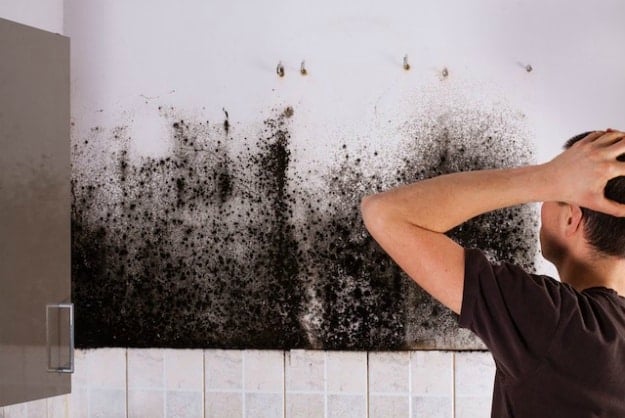
Prolonged exposure to black mold can include the following:
- Fatigue and weakness
- Headache, light sensitivity
- Poor memory, difficulty with word finding
- Difficulty concentration
- Morning stiffness, joint pain
- Unusual skin sensations, tingling, and numbness
- Shortness of breath, sinus congestion, or a chronic cough
- Appetite swings, body temperature regulation
- Increased urinary frequency or increased thirst
- Red eyes, blurred vision, sweats, mood swings, sharp pains
- Abdominal pain, diarrhea, bloating
- Tearing, disorientation, metallic taste in the mouth
- Static shocks
- Vertigo, feeling lightheaded
As you can see, exposure to it is a major health risk for the whole household, and if you have it within your home, it is crucial that you get rid of it as soon as possible!
1. Hydrogen Peroxide (Effective on Dark Mold)
Hydrogen peroxide is an antifungal, antiviral, and antibacterial solution. It’s great for cleaning mold off porous surfaces and can penetrate deeper than bleach.
How to Use It:
- Use a 3% hydrogen peroxide solution in a spray bottle.
- Spray directly on the moldy area and let it sit for 10 minutes.
- Scrub with a brush and rinse thoroughly.
2. Bleach (For Stubborn Mold)
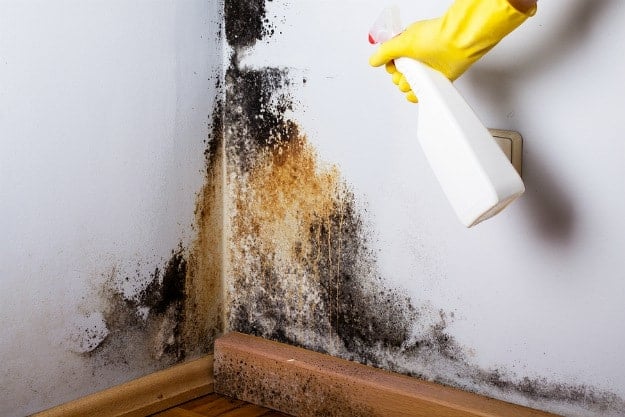
Bleach is one of the most commonly used mold killers. It’s great for non-porous surfaces like tiles, bathtubs, and countertops. However, be cautious, it can release fumes, so always make sure your room is well-ventilated.
How to Use It:
- Mix 1 cup of bleach with 1 gallon of water.
- Apply to the moldy surface using a spray bottle or sponge.
- Let it sit for 10–15 minutes before scrubbing and rinsing it clean.
Note: Bleach works best on hard, non-porous surfaces. It won’t penetrate porous materials like wood or drywall.
3. Baking Soda (Mold Growth Prevention)
Baking soda isn’t a heavy-duty mold killer, but it can help prevent mold and clean light growth. It’s also great for absorbing moisture, which is crucial for stopping mold from coming back.
How to Use It:
- Mix baking soda with water to form a paste.
- Apply to the affected area, scrub with a brush, then rinse off.
Note: Baking soda is more effective for maintenance and light cleaning, rather than deep mold removal.
4. Borax (Great for Stubborn Mold)
Borax is a powerful cleaning agent and is often used to tackle mold in places like basements and kitchens. It’s non-toxic and works well for cleaning and preventing mold growth.
How to Use It:
- Mix 1 cup of borax with 1 gallon of water.
- Apply the solution with a sponge or scrub brush.
- Let it sit, then scrub and rinse as needed.
5. Vinegar (Best for Small Areas)
Vinegar is a natural and safer option compared to bleach. It can kill about 80% of mold species, and it’s easy to find in most homes. Vinegar’s acidity is particularly effective at breaking down mold spores.
How to Use It:
- Pour white distilled vinegar directly into a spray bottle.
- Spray it on the mold and allow it to sit for at least 1 hour.
- Scrub away with a brush, then rinse the area.
Note: Vinegar is great for small infestations, but it might not be strong enough for larger mold outbreaks.
6. Grapefruit Seed Extract (Mold Killer)
Grapefruit seed extract is another natural solution that has been shown to kill mold and fungi effectively. It’s more potent than vinegar and may work better for persistent mold.
How to Use It:
- Mix 10–20 drops of grapefruit seed extract in 1 cup of water.
- Spray the mixture on the affected area and let it sit for 1 hour.
- Scrub and rinse clean.
7. Commercial Mold Removers (For Heavy Infestations)
If you’re dealing with a severe mold problem, a commercial mold remover may be the right choice. These products are formulated to handle heavy infestations and are often more potent than DIY remedies.
How to Use It:
- Follow the product instructions carefully.
- Most commercial removers require you to apply the solution, let it sit, and then scrub the mold away.
8. Tea Tree Oil (Natural Mold Fighter)
Tea tree oil has natural antifungal properties, making it an excellent, non-toxic alternative to chemical cleaners. It also helps kill mold spores before they spread.
How to Use It:
- Mix 1 teaspoon of tea tree oil with 1 cup of water.
- Spray on the mold and let it sit for 1 hour.
- Wipe clean with a cloth.
Stop It at the Source: Moisture Control
While removing mold is important, prevention is key. Black mold thrives in damp, humid environments, so controlling moisture is the most effective long-term solution.
- Fix leaks around your home (pipes, roofs, windows).
- Use dehumidifiers in damp rooms like basements and bathrooms.
- Ensure proper ventilation in your home, especially in areas like kitchens and bathrooms.
When to Call a Professional
If you notice mold covering more than 10 square feet or if it’s inside walls and ducts, it’s time to call in a professional mold remediation service. DIY methods may not be effective for large, deep infestations, and mold removal can be hazardous to your health if not done correctly.
Tackling Black Mold Safely and Effectively
Dealing with black mold doesn’t have to be a daunting task. With the right tools and safety precautions, you can successfully remove mold from your home and prevent it from coming back. Always keep moisture in check, wear protective gear, and take action early. If you encounter a stubborn problem, don’t hesitate to consult a mold remediation professional.
Watch this video posted by How To Good Health on getting rid of black mold:
Have you used any of these methods to kill black mold in your home? Do you have a method you would like to share? Share with us in the comment section below.
UP NEXT:
- Green Cleaning Tips To Prevent Mold In The House
- Eliminate Musty Smell in Basement
- 7 DIY Natural Cleaning Products | Simple Home Solutions
 Follow us on Facebook, Instagram, Pinterest, and Twitter! The contents of this article are for informational purposes only. Please read our full disclaimer.
Frequently Asked Questions About Black Mold
What causes black mold to grow in my home?
Black mold thrives in moist, humid environments. Common causes include leaky pipes, poor ventilation, water damage, and areas with high humidity like bathrooms, kitchens, and basements. Keeping your home dry and well-ventilated is key to preventing mold growth.
How do I know if I have black mold in my home?
Black mold appears as dark green or black patches that may have a fuzzy texture. It often grows in areas where moisture accumulates. If you notice a musty odor or have allergy-like symptoms (e.g., coughing, sneezing, skin irritation), you may have mold in your home.
Can black mold make me sick?
Yes, exposure to black mold can cause a variety of health problems, especially for those with respiratory issues or weakened immune systems. Common symptoms include coughing, sneezing, itchy eyes, skin rashes, and fatigue. Prolonged exposure may worsen these symptoms.
How do I safely clean black mold?
To safely clean black mold, always wear protective gear like gloves, a mask, and eye protection. Ventilate the room, use non-toxic cleaners like vinegar or hydrogen peroxide, and avoid mixing chemicals. For larger infestations, consider professional mold remediation.
Does bleach kill black mold?
Yes, bleach is effective for killing mold on non-porous surfaces like tiles and glass. However, it does not penetrate porous materials like drywall or wood, so it may not be effective for mold growing deep within these surfaces.
Can I use vinegar to kill black mold?
Yes, white distilled vinegar can kill about 80% of mold species, and it’s safer than bleach. Vinegar is ideal for small, surface mold infestations and works well on hard, non-porous surfaces. Let it sit for at least 1 hour before scrubbing.
How can I prevent black mold from coming back?
To prevent mold growth, keep your home dry and well-ventilated. Fix any leaks, use a dehumidifier in damp areas, and clean any condensation from windows or pipes. Ensuring proper ventilation in bathrooms and kitchens is essential for mold prevention.
When should I call a professional for mold removal?
If mold covers more than 10 square feet or is found in hidden areas like walls or air ducts, it’s best to call a professional mold remediation service. Professionals can handle large infestations safely and effectively, preventing the mold from spreading further.
Is it safe to remove mold myself?
Removing small amounts of mold (under 10 square feet) is generally safe if you follow proper safety precautions. Always wear protective gear and ensure the area is well-ventilated. For larger infestations or toxic mold, it’s best to consult a professional.
