Dexter Cattle At-A-Glance
- Dexter cattle are a small, hardy heritage breed, making them ideal for homesteads, small farms, and limited acreage.
- They’re dual-purpose animals, providing both quality beef and rich milk, which makes them efficient for self-sufficient lifestyles.
- Dexters require less space, feed, and infrastructure than full-size cattle, reducing overall costs and management demands.
- Known for their gentle temperament and easy handling, they’re well-suited for beginners and family-run operations.
- Their adaptability, longevity, and productivity make Dexter cattle a practical alternative to larger beef or dairy breeds for modern homesteaders.
Related: Build Chicken Watering Stations
What is A Dexter Cattle?
Dexter cattle, often called “mini cows,” are becoming a popular choice for homesteaders who want the benefits of raising cattle without the space, cost, or complexity of full-size breeds. Known for their compact size, hardiness, and versatility, Dexters fit well on small acreage while still providing valuable meat, milk, or both.
In this guide, you’ll learn what makes Dexter cattle unique, why they’re well-suited for homesteading, and whether mini cows are the right fit for your land and lifestyle. If you’re looking to maximize productivity without overextending your resources, Dexter cattle are worth a serious look.
Why Dexter Cattle Are Ideal Mini Cows for Small Homesteads
Dexter cows and steers appear to be an extremely durable breed regardless of the climate where they roam. Miniature cow breeds now span the country and exist successfully about anywhere, including both Florida and Alaska. The mini cows are often seen wandering happily about their pasture even when the thermometer dips very low, and a significant amount of snow is on the ground.
The miniature cows grow to just about 36 to 44 inches at the shoulder. The Dexter cattle breed boasts lean, mean, and rich milk. They are known to be a very gentle breed, and much easier to manipulate than their far larger, and sometimes hard-headed, peers.
The number of preppers and homesteading families who have embraced the miniature cattle concept in recent years has surged. The reasons Dexter cattle are becoming more popular go far beyond budget constraints and space limitations.
The miniature cows produce about one to two gallons of milk per day. One cow produces enough milk to fulfill the needs of a typical family, without any going to waste or causing extra work to turn it into a semi-shelf-stable edible. Standard-size cows, like a Holstein, produce around 10 gallons of milk each day. That’s a whole lot of milk to deal with and store if not participating in some type of herdshare agreement with others who are either raw milk fans or prefer to pasteurize their own milk to avoid added hormones and other unnatural additives in commercially produced milk. Dexters have also been frequently and successfully used a “nurse cows” and provided milk for up to three calves in need to a surrogate mom.
Milk from the mini cows has a 4 percent butterfat milk when fed for production. At the height of a mini cow’s lactation period, it has been known to produce up to 5 gallons of milk a day. Milk from a Dexter cow has also been heralded for how easy it is to digest. Because the fat globules in the milk are tiny, it is less irritating on the stomach than milk from standard-size cows. The cream from a mini cow’s milk has also been known to easily separate, making it a cooperative ingredient when making both ice cream and a very rich butter.
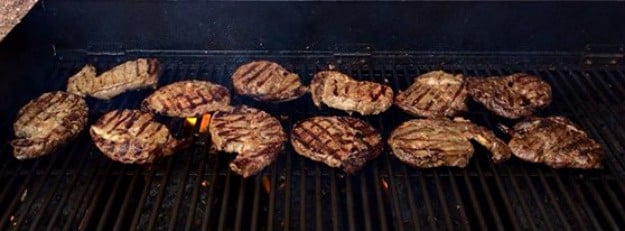
Dexter cows produce about 400 pounds of meat. Full-size cows or steers produce 600 to 800 pounds of beef. Mini cow breeders brag not only on the excellent flavor of their beef, but its juicy tenderness as well. Typically, grain-fed Dexter cattle will hit the 250-pound mark in only 12 months. A large Dexter cow or steer can weigh in at 500 pounds in 24 months. They dress at approximately 60 percent of their live weight.
Feeding two mini cows or steers is typically less or the same as providing feed for one regular cow or steer – but the amount of pasture space required to properly house them remains far less. If you have only the space in the budget for one standard-size cow and it becomes ill or is lost, the entire meat harvest will be lost. But, if two mini cows are purchased instead and one cow becomes ill and dies or has to be put down, the family will still have access to 400 pounds of beef to make it through tough times.
They might be small, but they are still mighty. Dexter cows are known to take to a yoke both quickly and easily. The miniature cows and steers appear eager to please, making them a great bovine to work with for both first-time farmers, homesteaders, and newbie preppers. Their complaint personality makes them great teachers for children in the family. Youngsters may be able to most safely learn how to care for, milk, and manage livestock when working with the miniature cattle breed. Equally easily and safely, an elderly and even experienced member of the family can still help contribute to the daily workings of the prepper retreat or homestead by taking care of the Dexter cattle with far less fear of being injured or needing assistance than compared to handling standard-size cows and steers.
Why Dexter Cattle Make Sense for Modern Homesteads
Dexter cattle offer a rare balance of size, productivity, and manageability. Their smaller frame makes them easier to handle, less expensive to feed, and better suited for limited pasture, while still providing high-quality beef and rich milk. For homesteaders focused on efficiency, sustainability, and self-reliance, Dexters stand out as a practical alternative to standard cattle breeds.
While no livestock choice is one-size-fits-all, Dexter cattle are especially appealing for beginners, families, and small-scale operations that want dependable animals without overwhelming demands.
Is a Mini Cow Right for Your Homestead?
Before bringing cattle onto your property, take time to evaluate your land, fencing, feed availability, and long-term goals. Research reputable breeders, learn local livestock regulations, and decide whether you’re raising cattle for milk, meat, or both. With the right preparation, Dexter cattle can become a reliable and rewarding part of your homestead for years to come.
Frequently Asked Questions
- What are Dexter cattle?
Dexter cattle are a small, heritage breed originally from Ireland. They’re known for their compact size, hardiness, and ability to produce both milk and beef, making them popular with homesteaders and small farms. - How much land do Dexter cattle need?
Dexters require significantly less space than standard cattle. With good pasture management, one to two acres per animal is often sufficient, though this can vary based on climate and forage quality. - Are Dexter cattle good for beginners?
Yes. Their smaller size, calm temperament, and lower feed requirements make them easier to manage than larger breeds, which is why many first-time cattle owners choose them. - Do Dexter cows produce enough milk for a family?
Most Dexter cows produce enough milk for household use, especially when managed carefully. While they don’t produce at commercial dairy levels, the milk is typically rich and high in butterfat. - Are Dexter cattle raised for meat?
Yes. Dexters produce well-marbled, flavorful beef. Their smaller carcass size is often ideal for families who don’t want to process or store extremely large quantities of meat at once. - What are the downsides of raising mini cows?
Dexter cattle may not be ideal if you want high commercial milk output or rapid beef production. Their smaller size means lower overall yield compared to large dairy or beef breeds. - How long do Dexter cattle live?
With proper care, Dexter cattle often live 15–20 years or more, which is relatively long for cattle and contributes to their appeal as a long-term homestead animal.
Up Next: Zesty Shrimp Spring Rolls | The Perfect Springtime Snack
Follow us on Instagram, Twitter, Pinterest, and Facebook! Will you get some Dexter Cows for your homestead? Let us know in the comment section below.