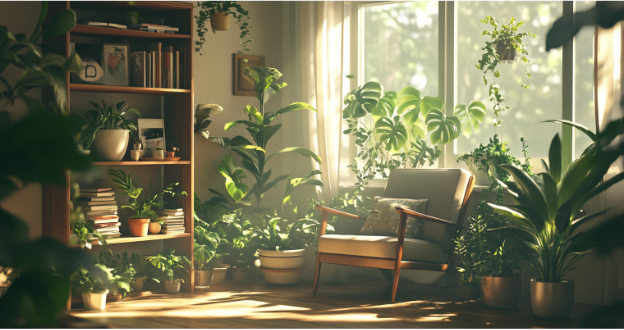
Spring signals new beginnings, which makes it the perfect time to introduce fresh greenery into your home. Longer days and rising temperatures encourage houseplants to grow faster, produce more leaves, and bloom more often.
However, not all plants respond the same way to seasonal changes. Some love extra sunlight and warmth, while others need adjustments in care. Choosing the right plants ensures a thriving indoor garden throughout spring and beyond. Whether you prefer easy-care varieties or colorful bloomers, this list helps you find the best spring houseplants for your home.
The Best Spring Houseplants to Brighten Your Home
Spring is the perfect time to refresh your space with houseplants that thrive in warmth and longer daylight hours. Some grow faster, some bloom more often, and others simply look healthier. But which plants truly flourish during this season?
Whether looking for easy-care greenery or vibrant flowers, these 10 spring houseplants will add beauty and fresh energy to your home. 🌱✨
🌱 1. Pothos – A Hardy, Fast-Growing Vine
Pothos (Epipremnum aureum) grows quickly in warm weather, making it a great choice for spring. It adapts well to different lighting conditions and is nearly impossible to kill. Its trailing vines add a touch of greenery to bookshelves, windowsills, and hanging planters.
Care Tips:
✅ Water when the top inch of soil feels dry. Overwatering can cause root rot.
✅ Trim long vines regularly to encourage fuller growth.
✅ Wipe leaves to remove dust and help them absorb more light.
Pothos also improves air quality. According to NASA’s Clean Air Study, it removes toxins like formaldehyde from indoor spaces.
🌿 2. Peace Lily – A Low-Maintenance Blooming Plant
Peace lilies (Spathiphyllum) thrive in spring’s increased humidity. Their white flowers contrast beautifully with deep green leaves, which add elegance to any room.
Care Tips:
✅ Keep soil evenly moist but not soggy. Yellow leaves may indicate overwatering.
✅ Place in bright, indirect light to encourage blooming. Direct sunlight can scorch leaves.
✅ Mist the leaves occasionally to maintain proper humidity.
Beyond their beauty, peace lilies help filter indoor air pollutants. The EPA recommends using plants like peace lilies to improve indoor air quality.
🌞 3. Snake Plant – A Durable, Drought-Resistant Favorite
Snake plants (Sansevieria) store moisture in their thick, upright leaves, making them incredibly resilient. They are ideal for beginners or anyone with a busy schedule.
Care Tips:
✅ Water only when the soil is completely dry. Overwatering is the most common mistake.
✅ Place in bright, indirect light for faster growth, even if it tolerates low light.
✅ Use well-draining soil to prevent root rot.
According to the Royal Horticultural Society, snake plants improve air quality by absorbing carbon dioxide at night, which makes them great for bedrooms.
🍃 4. Spider Plant – A Quick-Growing Classic
Spider plants (Chlorophytum comosum) produce small baby plants, known as “spiderettes,” during spring. These offshoots can be propagated easily to expand your indoor garden with minimal effort.
Care Tips:
✅ Water weekly and let the soil dry slightly between waterings.
✅ Provide bright, indirect sunlight for best growth.
✅ Trim brown leaf tips, often caused by fluoride in tap water.
Spider plants thrive in hanging baskets and are perfect for filling empty spaces with greenery.
🌸 5. African Violet – A Colorful, Compact Bloomer
Due to longer daylight hours, African violets (Saintpaulia) bloom more frequently in spring. Their velvety leaves and vibrant flowers make them a charming addition to desks and windowsills.
Care Tips:
✅ Keep soil slightly moist but never soggy.
✅ Place in bright, indirect light for regular blooms.
✅ Use room-temperature water to prevent leaf spots.
These compact plants fit well in small spaces and add a cheerful touch to any room.
🌴 6. Areca Palm – A Tall, Tropical Beauty
Areca palms (Dypsis lutescens) grow rapidly in warm temperatures, which make them excellent spring choices. Their feathery fronds create a natural, airy feel indoors.
Care Tips:
✅ Water when the top two inches of soil feel dry.
✅ Place in bright, indirect light to maintain healthy leaves.
✅ Wipe leaves occasionally to remove dust and improve photosynthesis.
This palm also helps humidify indoor air, which makes it ideal for homes with dry conditions.
🌿 7. Monstera – A Striking Foliage Plant
Monstera (Monstera deliciosa) develops large, split leaves as it matures. Spring provides the perfect conditions for rapid growth.
Care Tips:
✅ Water when the top inch of soil feels dry.
✅ Provide bright, indirect light to maintain strong leaf development.
✅ Wipe leaves regularly to keep them free from dust.
Monsteras enjoy climbing, so consider adding a moss pole for support.
🌱 8. ZZ Plant – A Tough, Low-Water Houseplant
ZZ plants (Zamioculcas zamiifolia) thrive on neglect and require little maintenance. Their glossy leaves add a fresh look to any space.
Care Tips:
✅ Water every two to three weeks, allowing soil to dry completely.
✅ Use well-draining soil to prevent root rot.
✅ Place in bright, indirect light for faster growth.
This plant stores water in its underground rhizomes, helping it withstand dry conditions.
🌼 9. Begonia – A Bright and Cheerful Bloomer
Begonias (Begonia spp.) produce clusters of colorful flowers in shades of red, pink, and orange. Spring warmth encourages new blooms.
Care Tips:
✅ Keep soil slightly damp but not waterlogged.
✅ Place in bright, indirect light for more frequent flowers.
✅ Remove faded blooms to encourage continued blooming.
Begonias are versatile and work well indoors or on patios.
🌿 10. Fiddle Leaf Fig – A Bold, Sculptural Plant
Fiddle leaf figs (Ficus lyrata) grow quickly in warm, bright conditions. Their broad leaves add a striking visual element to any room.
Care Tips:
✅ Keep soil consistently moist but not waterlogged.
✅ Rotate the plant occasionally for even growth.
✅ Provide bright, indirect sunlight near a window.
These plants can grow quite large, so make sure they have enough space.
🌞 Bring Fresh Greenery into Your Home
Spring offers the perfect opportunity to refresh your home with houseplants. Whether you prefer a low-maintenance ZZ plant, a trailing pothos, or a flowering African violet, these plants will definitely enhance your space.
Do you have a favorite spring houseplant? Let us know in the comments below!
🌿 FAQs
- What are the best houseplants for spring?
Pothos, peace lilies, snake plants, monsteras, and African violets respond well to spring’s warmth and longer daylight hours. - How often should I water my houseplants in spring?
Most houseplants need more frequent watering in spring. Check soil moisture and water when the top inch of soil feels dry. - Do houseplants need fertilizer in spring?
Yes! Spring marks the start of the growing season. Use a balanced liquid fertilizer every 4–6 weeks for best results. - Should I repot my houseplants in spring?
Spring is the best time to repot plants that have outgrown their containers. Look for roots coming out of drainage holes as a sign they need more space. - What’s the easiest spring houseplant for beginners?
Pothos, snake plants, and ZZ plants are great choices. They tolerate different conditions and require minimal maintenance.