How to Restore, Refinish, and Repurpose with DIY Techniques
Old homestead furniture tells a story. From hand-cut joints to solid wood frames, these pieces were built to last, and with a little care, they still can. Instead of tossing worn-out tables, chairs, or cabinets, many homesteaders choose to restore or repurpose them, saving money while preserving history.
In this guide from Homesteading.com, you’ll learn how to revive old furniture using simple DIY techniques. Whether you want to refinish a family heirloom or revive a forgotten piece, these steps will help you breathe new life into old wood.
Related: Easy Furniture Reupholstery & Rehab Ideas
Why Restore Old Homestead Furniture?
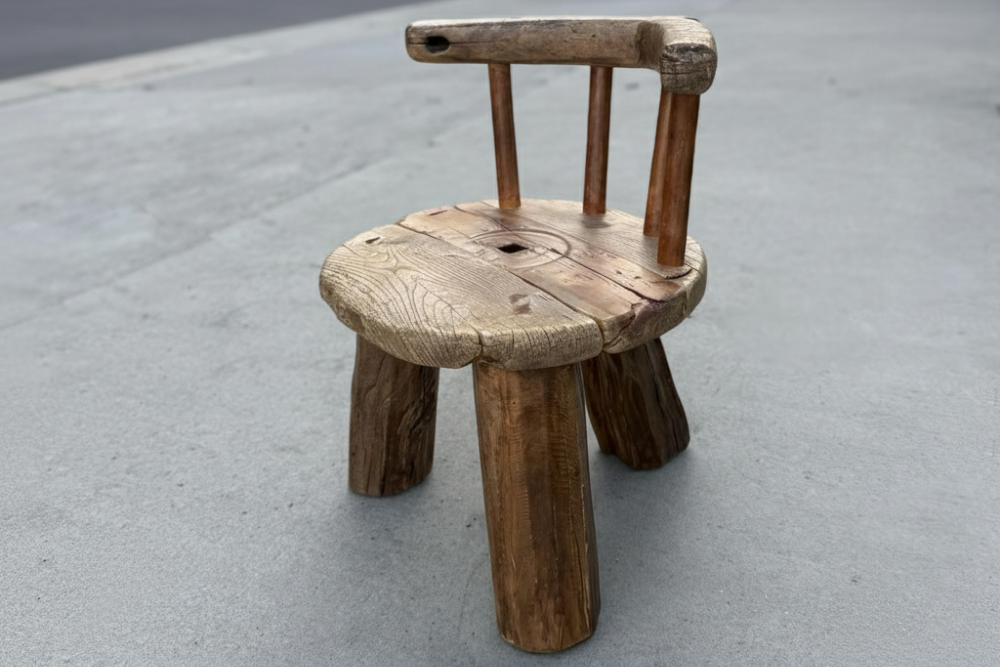
Restoring old furniture isn’t just about looks; it’s about practicality and values.
- Durability: Older furniture is often made from solid hardwood, not particle board
- Sustainability: Reusing furniture reduces waste and supports a self-reliant lifestyle
- Cost savings: Restoration is usually cheaper than buying new
- Sentimental value: Heirloom pieces carry family history and character
With the right approach, even rough-looking furniture can be transformed into a beautiful and functional part of your home.
How to Assess Old Furniture Before You Start
Before starting any restoration project, take time to inspect the piece carefully.
Check for:
- Loose joints, broken legs, or missing hardware
- Deep cracks, rot, or woodworm damage
- Warping caused by moisture exposure
If the structure is sound or repairable with glue, clamps, or screws, the piece is a good candidate for restoration. Cosmetic issues like scratches, stains, or peeling paint are usually easy to fix.
How to Clean Old Furniture Properly
Cleaning is the first hands-on step and often reveals the furniture’s true condition.
Basic cleaning method:
- Wipe off dust and debris
- Mix warm water with mild soap or vinegar
- Scrub gently with a soft cloth or brush
- Dry completely before moving on
Avoid soaking the wood. Excess moisture can cause swelling or cracking, especially in older pieces.
How to Refinish Old Wood Furniture
Refinishing restores the natural beauty of the wood while protecting it for future use.
Remove Old Paint or Finish
- Use a citrus-based paint stripper or heat gun for thick layers
- Scrape gently to avoid gouging the wood
- Always work in a well-ventilated area
Sand the Surface Smooth
- Start with coarse grit (80–120)
- Finish with finer grit (180–220)
- Sand with the grain to avoid scratches
Apply Oil or Stain
Natural finishes work well for homestead furniture:
- Linseed oil
- Tung oil
- Beeswax
These finishes enhance the grain while keeping the wood breathable and protected.
When and How to Paint Old Furniture
Painting is a great option when the wood is heavily worn or mismatched.
Popular choices include:
- Milk paint for a rustic farmhouse look
- Chalk paint for distressed finishes
- Low-VOC latex for durability
Apply thin, even coats and let each layer dry fully. Light sanding between coats helps achieve a smooth finish.
Creative Ways to Repurpose Old Furniture
If a piece no longer works as originally intended, repurposing gives it a new purpose.
Repurposing ideas:
- Old doors → farmhouse tables or headboards
- Dressers → bathroom vanities
- Cribs → garden benches
- Cabinets → pantry or tool storage
Repurposing lets you keep the material while adapting it to your current needs.
Sealing and Protecting Your Work
Proper sealing keeps restored furniture looking great for years. Beeswax, a favorite among homesteaders, provides a smooth, protective coating. Rub a small amount onto the surface, let it sit, then buff with a soft cloth.
Common sealers:
- Polyurethane for heavy-use furniture
- Wax for decorative or low-traffic pieces
- Natural oils for indoor rustic furniture
For tabletops or frequently used furniture, tung oil offers excellent moisture resistance. Unlike synthetic sealers, it penetrates deep and strengthens the wood while preserving its character. Choose a finish based on how and where the furniture will be used.
Reviving Old Homestead Furniture for Future Use
Reviving old homestead furniture keeps tradition alive and prevents waste. Whether refinishing, repainting, or repurposing, thoughtful restoration adds function and history to your home.
Safety Tips for Furniture Restoration
Old furniture sometimes comes with hidden hazards.
- Test painted surfaces for lead before sanding
- Wear gloves, masks, and eye protection
- Work outdoors or in ventilated spaces
- Dispose of chemicals responsibly
Taking safety precautions protects both your health and your home.
Bringing Old Homestead Furniture Back to Life
Reviving old homestead furniture is more than a DIY project; it’s a way to honor craftsmanship, reduce waste, and live more intentionally. With patience and simple tools, you can transform forgotten pieces into something useful, beautiful, and meaningful once again.
Whether you refinish, repaint, or repurpose, each restored piece becomes part of your homestead story.
Have you taken on an Old Homestead furniture restoration project? Share your experience in the comments below!
Frequently Asked Questions About Restoring Old Furniture
How do you clean antique or old wooden furniture?
Use warm water and mild soap or vinegar. Avoid harsh chemicals and ensure the wood is completely dry.
Is it safe to sand old painted furniture?
Only after testing for lead paint. If lead is present, follow proper removal guidelines or seek professional help.
What is the best oil for restoring old wood?
Linseed oil and tung oil are popular choices for nourishing and protecting old wood.
Can old furniture be repurposed instead of restored?
Yes. Repurposing is often easier than full restoration and allows you to adapt pieces to modern needs.