
Want to know what the hardiness zones are for your garden? Wondering when is it safe for you to plant and grow on your homestead? Use this guide to find out.
Planting & Growing Hardiness Zones For Gardening
Gardening isn’t always about sunny days and clear skies. Sometimes, well, depending on where you are located, snow and drastic climate can also arise. So be prepared! You have to be equipped with the knowledge about the right plant, the right place and the right time, oh and let’s not forget the right temperature. That’s what the USDA hardiness zones are all about. As per Wikipedia: “It is a geographically defined area in which a specific category of plant life is capable of growing, as defined by climatic conditions, including its ability to withstand the minimum temperatures of the zone.” So if you want to find out more about gardening hardiness zones, let this infographic be your guide.
Garden Growing Zones
What are Hardiness Zones?
Hardiness zones were developed by the USDA to define 11 numerical climate zones and the ability of certain plants to grow within those zones. Seed packaging and plant labels indicate which zone your plant is most likely to thrive in, so identifying where you live is vital to the planning of your garden.
When is it warm enough to plant?
Eggplants
Planting Temperature: 75°F
Optimal Germination: 85°F
Corn
Planting Temperature: 55°F
Optimal Germination: 95°F
Radishes
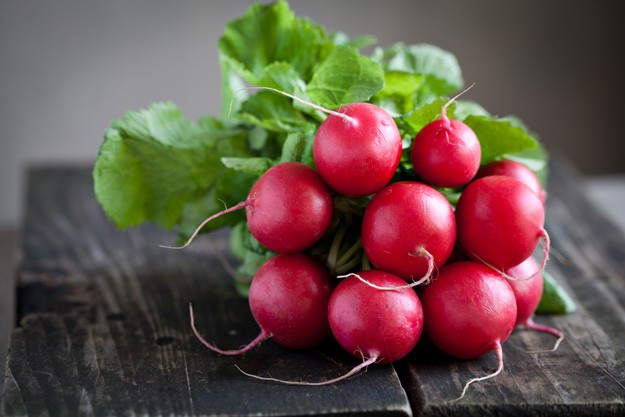
Planting Temperature: 45°F
Optimal Germination: 85°F
Lettuce
Planting Temperature: 45°F
Optimal Germination: 75°F
Squash
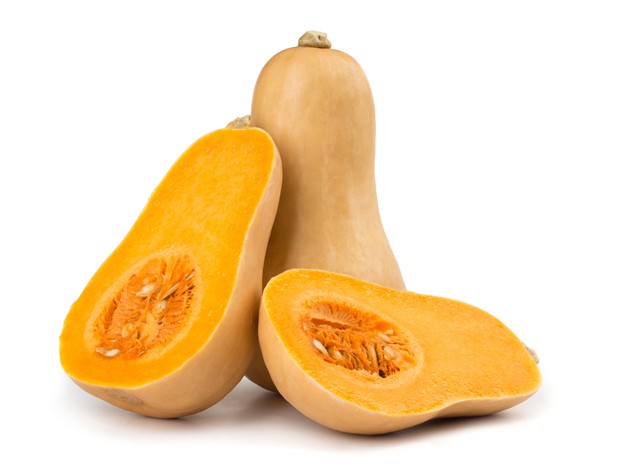
Planting Temperature: 70°F
Optimal Germination: 95°F
Tomatoes

Planting Temperature: 55°F
Optimal Germination: 85°F
Beets
Planting Temperature: 45°F
Optimal Germination: 85°F
Carrots
Planting Temperature: 45°F
Optimal Germination: 80°F
Soil Science
Soil temperature is most important to seed germination, but it’s difficult to measure. Drawing conclusions about the soil from air temperature makes gardening easier.
My Hardiness Zone Tips
Planting Plan
Tulips pushing through soil or forsythia budding are great indicators that it’s warm enough for seed planting.
Zones 2-3
Winter hardiness is very important in these zones. Choose plants that can withstand harsh winters and hot summers. Ideal for Carrots.
Zones 4-5
Native plant species are highly recommended due to the varied micro-climates and altitudes in these zones. Ideal for Lettuce.
Zones 6-7
Ideal climate conditions for vegetable gardens. These zones may produce 3 seasons of crops for gardeners. Ideal for Squash.
Zones 8-9
Summer-heat hardiness is very important in these zones. Heat-loving plants will thrive with minimal maintenance. Ideal for Citrus.
Zones 10-11
Frost seldom occurs in these zones, but heat and humidity are a major factor in growing conditions. Ideal for Eggplant.
What zone are you in, and how has that affected your seasonal garden?
Planning your Spring harvest? Here are some Gardening Tips For Great Success in Spring