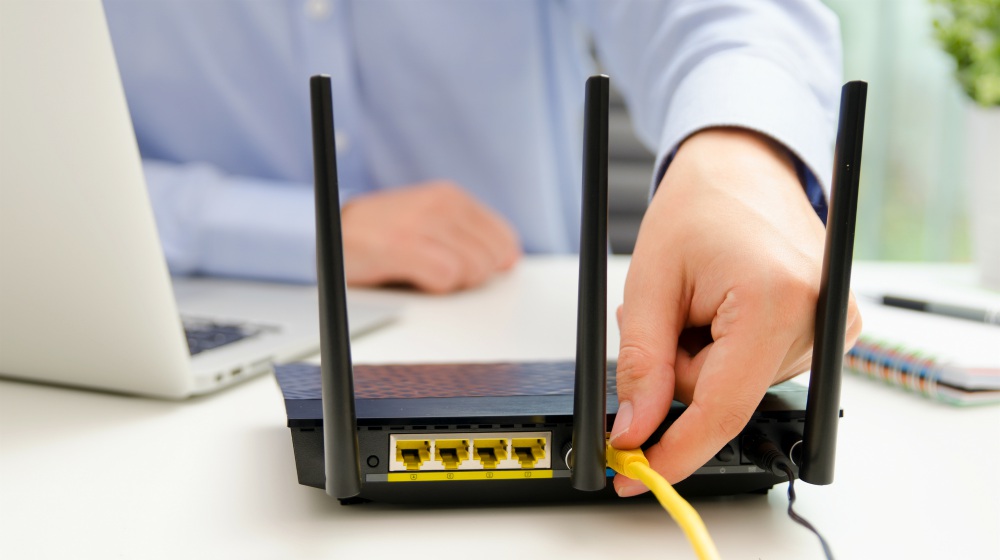

Is the spinning buffering icon bothering you? Learn how to speed up WiFi and get the performance you’re meant to have with these steps any homesteader can do with ease.
RELATED: How the Internet of Things Can Improve Homesteading – NEWS
How to Speed Up WiFi Without Breaking the Bank
Step 1. Keep the Router Away from Metals and Electronics
Keep your router away from the following devices to make sure you get as strong a signal possible:
- Appliances: Microwaves, televisions, etc.
- Metals: Filing cabinets, desks, etc.
- Wireless devices: Bluetooth headsets, baby monitors, etc.
Certain objects can block WiFi signals and cause them not to penetrate areas beneath these obstacles.
Step 2. Adjust the Antennas
Some routers have an external antenna or two attached to the back. If your router has at least two external antennas, you can try having one antenna point parallel to the ground, and the other antenna standing upright.
If you don’t see any antennas sticking out, move your router around and test out which position works best through a speed test. This ensures that you get the best reception for as wide an area as possible.
Step 3. Set Up Strong Security Measures
A good way to speed up WiFi is to keep your router secured from unauthorized connections. Try the following steps:
- Set a strong passphrase. Use a combination of letters, numbers, and special characters.
- Make sure to use WPA2 as your encryption. Older standards like WPA and WEP have been cracked and still leave your connection vulnerable.
- Only share your WiFi passphrase with people you trust. Change your passphrase every time you have guests over and had them use your WiFi.
When you leave your router unsecured, you’re not only vulnerable to various network-related threats, but possibly also experience lots of slowdowns due to neighbors leeching off your WiFi connection.
Step 4. Switch to 5Ghz If Your Device Supports It
If you have a modern device that can support connecting to the 5Ghz band, switch to that band so you don’t share signals with as many devices. You could also get the highest WiFi speed your ISP could support. How to do this depends on your router.
Most wireless devices operate on the 2.4Ghz spectrum. This frequency band has a couple of limitations:
- This frequency band can get crowded, and devices like microwaves and Bluetooth devices generate a lot of interference and noise.
- The 2.4Ghz band can only support speeds up to 300Mbps. If your internet plan can support more than that, your devices won’t be able to reach maximum speeds.
Step 5. Place the Router on a Central Location
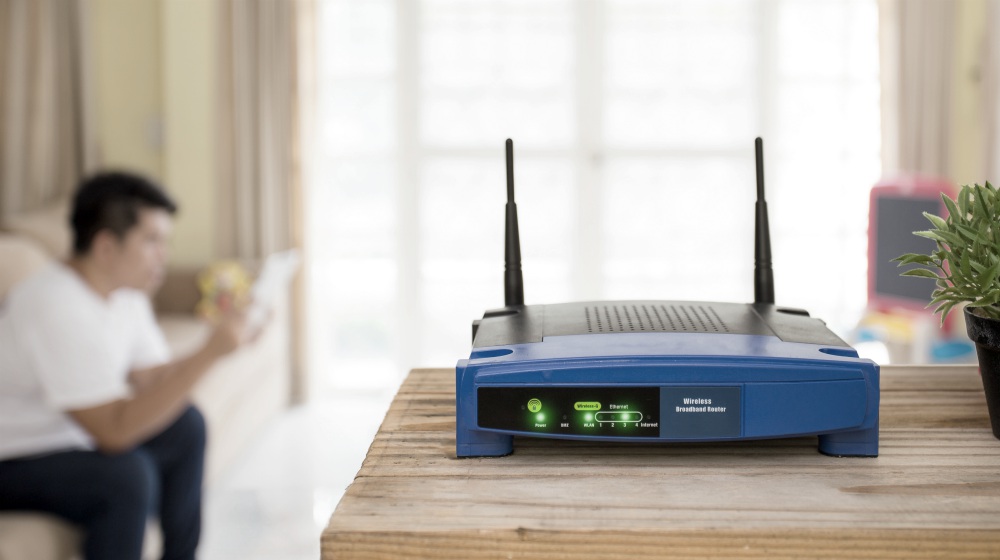
Place your router on an open area as close to the center as possible. Keep the device high above the ground as signals travel downward from the source.
Avoid placing your router in one of the following areas to extend your signal as far as you can stretch it:
- Near bodies of water like lakes and rivers
- Next to thick objects like stone and brick
- In the corners of rooms — this cuts your coverage by half.
Step 6. Switch to Another Wireless Channel
Use a WiFi analysis app to check out what the most crowded channels are, so you know which ones to avoid. Based on the results you get, switch to a less crowded channel and see your speeds pick up.
If you’re on the 2.4Ghz band, the channels 1, 6, and 11 are the most frequently used ones. Hopping on to the 5Ghz band opens a whole ton of options and speeds up your WiFi to the highest speed your ISP can handle.
Sharing the same channel with your neighbors means you’re more likely to experience interference, which can slow down your connection.
Step 7. Create an Amplifier Out of a Can
For those who want a cheap DIY fix, you can use an empty aluminum can to possibly boost your signals.
- Slice off the top and bottom part of the can.
- Cut the remaining part in the middle.
- Wrap this sheet around your router’s external antenna.
RELATED: 45 Off The Grid Hacks | Homesteading Tips, Tricks, And Ideas
Step 8. Use Old Routers as Repeaters
Have old routers lying around? You can give them a new lease of life as a repeater to help speed up WiFi connection around your home.
What is a repeater? It is a device that amplifies Wi-Fi signals and extends its range.
Note: This is one task that requires some amount of tech skill, as it involves installing custom firmware. If you’re not confident in doing this yourself, either skip this step or ask a tech-savvy friend or family member to help you flash the firmware.
Step 9. Reboot Your Router
Turn the router off, then on again. A simple reboot flushes out your router’s cache and memory, as well as fixes any lingering issues you may have on your device.
Step 10. Phone Your ISP

Calling up your ISP could be key to finding out how to increase internet speed and save you from a ton of headaches in the future. You may need a hardware refresh to make the most of what you’re paying for. And if you’re using hardware your ISP provided you, you may get this hardware for free.
Step 11. Disconnect Unnecessary Devices
Use wired connections whenever possible and make sure only those that really need to be connected to the Internet are hooked up. The more devices plugged into Wi-Fi, the slower the connection gets.
Step 12. Plan Your Bandwidth Use
Yes, even planning how you use your Internet connection can solve a lot of headaches.
Here’s how to speed up the Internet with some bandwidth planning:
- Start large downloads like game installs and movies right before bedtime.
- Play your online games at off-peak hours whenever you can
- Set the quality on your streaming videos to a lower setting if you’re willing to sacrifice some quality for a performance boost.
Step 13. Upgrade Your Firmware
Make sure to be diligent in updating your router firmware so you can get the latest improvements that can speed up WiFi and be protected from attacks. Most new routers come with a way to easily upgrade firmware automatically so you just need to make sure to.
There is a new type of malware out there that specifically targets WiFi routers, which can steal precious internet bandwidth and slow down your connection to a crawl.
You don’t need to be the most tech-savvy person, nor spend a ton of money, to be able to know how to speed up WiFi connection at home. With these easy tips, you can get as close to the speeds the ISP advertised and have a smooth-sailing internet experience ahead of you.
What is the budget-friendly way to speed up WiFi that you always swear by? Share your tips in the comments section below.
Up Next: