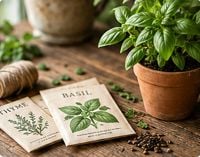
Homesteaders have long relied on simple plants from their gardens to ease common ailments. Before modern medicine filled store shelves with artificially manufactured pills, tablets, and other remedies, families turned to herbs grown on their land for teas, salves, and tinctures.
You, too, can build that same skill today! With proper plant selection and careful preparation, your garden can provide safe, useful remedies that can help bring relief to your household.
Why Grow Garden Herbal Remedies?
Growing herbs at home gives you:
- Control over how plants are grown and harvested
- Fresh ingredients with stronger potency
- Reduced costs compared to store-bought supplements
- A steady supply of natural remedies across the seasons
Even small gardens or container setups can yield enough herbs for home use.
Easy Medicinal Herbs to Grow at Home
The following herbs are beginner-friendly and simple to maintain. Always confirm identification before harvesting.
Chamomile (Matricaria chamomilla)
A classic calming herb, chamomile is well-known for its ability to support rest and digestion.
- Use for: calming nerves, easing sleep, settling digestion
- Grow in: full sun, light soil, regular flower harvesting
- Prepare as: dried flower tea
Peppermint (Mentha × piperita)
Peppermint offers cooling relief for digestion and headaches and works well in both teas and steam.
- Use for: indigestion, headaches, sinus relief
- Grow in: partial shade, moist soil, containers to control spreading
- Prepare as: fresh or dried leaf tea, or steam inhalation
Calendula (Calendula officinalis)
Calendula’s bright blooms are prized for soothing the skin and healing minor wounds.
- Use for: providing relief against skin irritation, minor wounds, and inflammation
- Grow in: full sun and well-drained soil, then perform frequent flower-cutting
- Prepare as: dried petals for salves or infused oils
Lemon Balm (Melissa officinalis)
Lemon balm supports calmness, sleep, and gentle immune function, with a pleasant lemony scent.
- Use for: easing anxiety, supporting sleep, and relieving cold sores
- Grow in: partial shade, moist soil, frequent trimming
- Prepare as: fresh leaves for tea or oil infusions
Echinacea (Echinacea purpurea)
Echinacea helps strengthen the immune system, especially during cold and flu season.
- Use for: immune system support in reducing cold duration
- Grow in: full sun and moderate soil
- Prepare as: dried roots or flowers for tinctures
Yarrow (Achillea millefolium)
Yarrow supports wound care and fever relief. It also offers flexible use for minor first aid.
- Use for: minor bleeding, wound care, fever support
- Grow in: full sun, dry soil, spreads easily
- Prepare as: dried leaves and flowers for teas or poultices
For more safety information, visit the American Botanical Council.
Making Herbal Teas at Home
Herbal teas are among the simplest ways to enjoy garden herbal remedies.
Steps:
- Harvest leaves or flowers during peak growth.
- Rinse and dry fully.
- Store dried herbs in airtight glass jars away from light.
- Steep 1–2 teaspoons in hot water for 5–10 minutes.
- Strain and serve warm.
- Dry your equipment thoroughly to prevent moisture buildup during storage.
Making Herbal Salves for Skin Care
Salves support skin healing and ease irritation.
Steps:
- Infuse dried herbs in oil (olive or coconut) for several weeks.
- Strain the oil and heat gently.
- Add beeswax to thicken.
- Pour into jars or tins while warm.
- Label and store in a cool, dry location.
Calendula, comfrey, and plantain are commonly used. For full tutorials, visit the Herbal Academy.
Preparing Herbal Tinctures
Tinctures use alcohol or glycerin to extract plant compounds.
Steps:
- Place chopped herbs in a glass jar.
- Cover with 80–100 proof vodka or glycerin.
- Seal and store in a dark place for 4–6 weeks.
- Shake daily.
- Strain and transfer to dropper bottles.
- Label with plant name, preparation date, and usage.
Safety First: Using Garden Herbal Remedies Wisely
Natural remedies require careful use, so you must ensure to follow these reminders and guidelines:
- Identify plants accurately before harvesting.
- Use small doses when trying new herbs for the first time.
- Check for interactions between your herbs and medications or health conditions.
- Avoid wild harvesting unless you’re fully confident in your identification skills.
- Consult reliable references or seek advice from trained professionals.
For research-based safety details, visit the National Center for Complementary and Integrative Health.
Garden Herbal Remedies for Your Homestead
Growing and harvesting herbal remedies provides beneficial preparations for common needs. Each plant you grow offers an opportunity to provide relief to your family through careful, hands-on work.
Start with a few herbs, build your skill over time, but stay focused on safety. These skills will serve your homestead throughout all seasons.
What herbs do you grow for home use? Share your experience or questions in the comments.
FAQs
Can I grow medicinal herbs in containers?
Yes. Peppermint, lemon balm, and calendula grow well in pots with good drainage and steady care.
Are herbal teas safe for children?
Some herbs are safe for children in small amounts. Always research individual plants and check with a healthcare provider.
How long do tinctures last?
Stored in cool, dark places, tinctures can last up to 3 years.
When should I harvest herbs?
Harvest in the morning after dew dries but before full sun heats the plants.
Can I combine herbs in teas or salves?
Yes, but check each combination to avoid unwanted effects.