
Last Updated: May 2026
Fermentation Basics Summary
- Fermentation preserves food by letting helpful microbes convert natural sugars into acids (that tangy flavor is the “preservation signal”).
- For vegetables, you’ll usually use salt + time + room temperature, then move the finished ferment to cold storage.
- Key rule: keep everything submerged under brine to discourage spoilage.
- When to toss: fuzzy mold, rotten odor, or slimy texture.
Fermentation basics allow homesteaders to preserve food using natural processes. Before the advent of freezers and canning, fermentation provided a reliable method for storing fresh harvests for months. The method remains simple, affordable, and easy to apply at home.
This guide explains how to ferment foods, with beginner recipes and clear explanations of their benefits.
What fermentation is (and why it works)
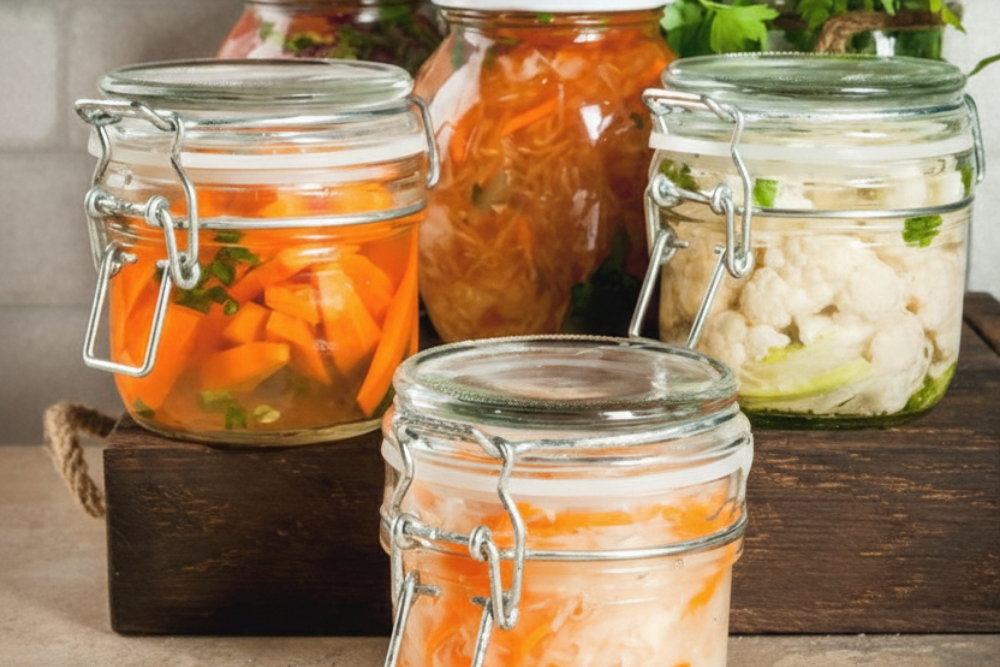
Fermentation is a natural process where beneficial microbes break down sugars in fresh foods and create acids (and sometimes carbon dioxide). That rising acidity is what helps preserve food and builds that classic tangy flavor.
What’s happening in your jar:
- Salt pulls liquid out of vegetables to form brine
- Helpful bacteria thrive as conditions become more acidic
- The food becomes tart, complex, and longer-lasting
Once fermentation is complete, foods can be stored well in cool or refrigerated conditions for extended periods.
Why fermented foods belong on a homestead
Fermentation is one of the simplest ways to stretch your harvest without needing special equipment or running appliances all day.
Homestead-friendly benefits:
- Preserves produce without pressure canning or dehydration
- Adds variety to meals when fresh greens are scarce
- Helps you manage “too much zucchini/cabbage/carrot” season
Related: Fermenting Vegetables | Everything You Need To Know
Tools + Ingredients Checklist
Basic tools
- Glass jars (wide-mouth is easiest) or ceramic crock
- Cutting board + knife (or shredder/mandoline)
- Fermentation weight (or a clean food-safe alternative that fits)
- Lid setup: airlock lid or a loose lid (to allow gas to escape)
- Bowl + kitchen scale (scale helps you nail salt ratios)
Ingredients (the essentials)
- Fresh vegetables (start with cabbage for the easiest success)
- Non-iodized salt (plain, additive-free is simplest)
- Optional: garlic, ginger, chili flakes, herbs, spices
Quick tip: Avoid reactive metal containers. Ferments are acidic and can corrode some metals over time.
How to Make Sauerkraut
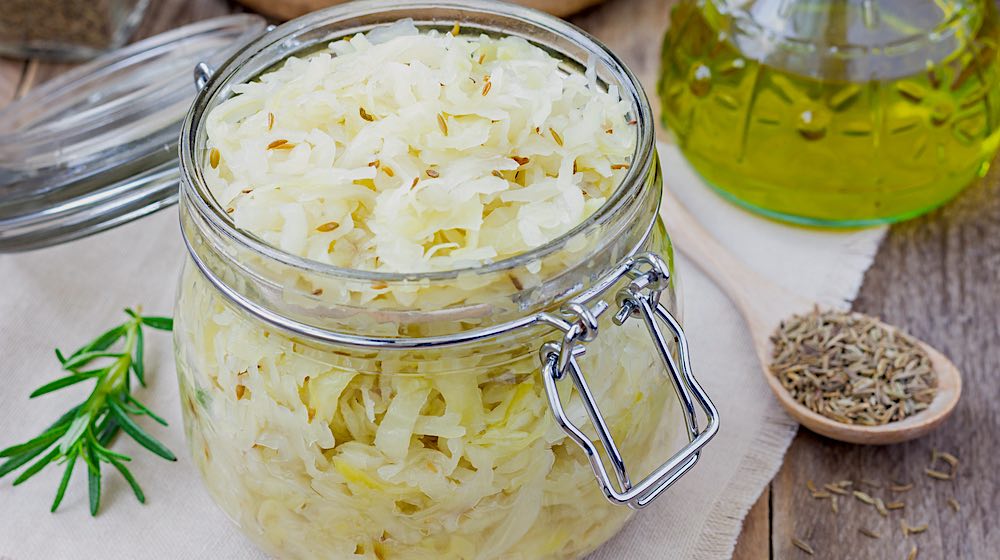
Sauerkraut is a traditional fermented cabbage dish with a tangy flavor and long shelf life. It uses minimal ingredients, making it an ideal first project for home fermenters. This simple recipe teaches essential fermentation skills, including proper salt concentration, submersion, and timing.
Steps:
- Remove the outer cabbage leaves and slice the cabbage thinly.
- Weigh the cabbage and add 2% salt by weight.
- Massage until liquid is released.
- Pack tightly into jars, pressing the cabbage below the brine.
- Place fermentation weights to keep it submerged.
- Cover with a breathable lid.
- Store at room temperature and begin tasting after one week.
- Once the flavor develops, move to cold storage.
Once the flavor develops, move the sauerkraut to cold storage.
How to Make Kimchi

Kimchi is a traditional Korean fermented vegetable dish, known for its bold, spicy flavor and cultural importance as a staple side dish in Korean cuisine. Unlike sauerkraut, kimchi uses a wider range of vegetables and seasonings, creating complex layers of taste. The process is similar but incorporates a seasoning paste to enhance fermentation.
Use this method to create traditional-style kimchi:
- Cut napa cabbage and soak in salted water.
- Rinse and drain.
- Mix garlic, ginger, fish sauce or soy sauce, red pepper flakes, and chopped vegetables.
- Combine with cabbage and pack into jars.
- Press the mixture to release liquid.
- Submerge contents fully.
- Cover with a breathable lid and ferment for up to ten days.
Once fermentation is complete, store the kimchi in the refrigerator.
Other Vegetables You Can Ferment
Beyond cabbage, many vegetables respond well to salt or brine fermentation. These options give you variety in flavor, texture, and nutrient content.
Try fermenting any of the following vegetables using a basic salt brine:
- Cucumbers
- Green beans
- Carrots
- Radishes
- Garlic cloves
Most ferments develop their desired flavor within one to three weeks, depending on temperature and personal taste. For additional vegetable options, Cultures for Health provides recipe variations and troubleshooting tips.
READ MORE: 5 Easy Fermented Vegetable Preservation Recipes for Beginners
Safe Fermentation Practices
Successful fermentation depends on clean equipment and fresh ingredients, along with proper handling techniques such as maintaining correct salt levels and keeping vegetables submerged. Good habits reduce the risk of contamination and help each batch ferment safely.
To maintain safe fermentation practices:
- Use fresh, undamaged produce.
- Clean all tools before each batch.
- Keep vegetables submerged to block mold growth.
- Store finished ferments in cool spaces.
Discard batches that develop mold, foul smells, or slimy textures.
Fermentation Basics: A Skill That Builds Food Security
Fermentation basics give homesteaders a simple way to turn fresh harvests into shelf-stable foods. Each small batch helps you build skill while expanding your pantry. With a few tools and steady practice, fermentation becomes a reliable part of your food preservation routine.
Try your first batch this season. Once you see how simple fermentation can be, feel free to share your results in the comments. If you have questions, post those as well to help others build their skills.
FAQs
How long does fermentation take?
Ferments usually reach the desired flavor within one to four weeks based on temperature and taste preference.
Do I need special equipment?
No. Glass jars, salt, weights, and clean utensils are enough for small batches.
Can I ferment mixed vegetables?
Yes. Many vegetables combine well as long as they stay submerged under brine.
How do I know when fermentation is done?
Taste regularly. When the flavor reaches your preference, transfer to cold storage.
Are fermented foods safe for everyone?
Most people tolerate fermented foods well. Those with specific health issues should consult a healthcare provider.