
At a Glance: Homemade Laundry Detergent Recipes
- These homemade laundry detergent recipes take about 20 minutes of hands-on work.
- Test your water hardness first. It decides which recipe fits.
- Use less soap than you think, and keep every jar sealed.
Which homemade laundry detergent should you make first? For most homes, it’s the classic powder: one grated soap bar, washing soda and baking soda. If you wash in cold water, make the liquid. If someone in your house has sensitive skin, start with the borax-free powder.
Below are five homemade laundry detergent recipes with exact amounts. There’s also a quick water check that tells you which one will work best in your washer. Pick one, make a batch, and give it a few weeks before you change anything.
As an Amazon Associate, we earn from qualifying purchases.
Where to Get the Hard-to-Find Ingredients
Washing soda is the part most people can’t find. Many grocery stores stopped carrying it, and some don’t stock laundry soap bars either.
As an Amazon Associate, we earn from qualifying purchases.
A laundry soap kit solves that in one order. It has bar soap, borax and washing soda, which covers the classic powder and the lavender batch. The bars are scented, so use an unscented castile bar for sensitive skin.
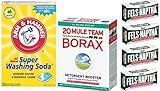
- Arm & Hammer 55 Oz. Super Washing Soda Laundry Booster. Pack of 1.
- Detergent booster and household cleaner.
- Improves liquid laundry detergent performance up to 40%. 100% fragrance and phosphate-free. 55 oz.
If you’d rather make the liquid, a big jug of liquid castile soap lasts much longer than small bottles. This one is citrus scented, so skip it for sensitive skin.

- RICH LATHER, CLEAN FEEL: Dr. Bronner’s Pure-Castile Magic Liquid Soap is a true soap, with rich, thick lather that feels great on...
- MADE WITH ORGANIC OILS & CERTIFIED FAIR TRADE INGREDIENTS: Dr. Bronner's Pure-Castile Magic Soap is made with over 70% certified...
- NO SYNTHETIC DETERGENTS OR FOAMING AGENTS: Our citrus liquid soaps are made with plant-based ingredients you can pronounce—no...
What Every Recipe Shares
You don’t need special tools. Most of these live in your kitchen already, but keep the grater and bowl for soap only from now on.
Tools:
- Box grater with a fine side.
- Large glass or stainless mixing bowl.
- Wide-mouth glass jar with a tight lid.
- Tablespoon measure.
- Kitchen gloves for handling washing soda.
Which Recipe Should You Make?
Start with your water. Hard water is the main reason homemade laundry detergent recipes stop working, so it’s worth five minutes to check.
Check your water hardness
Look up your water utility’s yearly water quality report, or use a hardness test strip. Then compare your number to the scale from University of Nebraska-Lincoln Extension:
| Water | Grains per gallon | What to do |
|---|---|---|
| Soft to slightly hard | 0 to 3.5 | Any recipe works as written |
| Moderately hard | 3.5 to 7 | Any recipe works as written |
| Hard | 7 to 10.5 | Add 1/2 cup extra washing soda per batch |
| Very hard | 10.5 and over | Extra washing soda plus a vinegar rinse |
Why does it matter? Soap grabs the calcium and magnesium in hard water and turns into a sticky curd. UNL Extension notes those curds lodge in fabric and make it stiff and rough. Washing soda softens the water first, so the soap can do its job.
Match it to your washer
Powder works well in warm and hot washes. Liquid is the better pick for cold water, since it’s already dissolved. Both are low-suds, which suits front-loaders and other HE washers.
One note if your washer is new. Many HE manuals, like this Whirlpool use and care guide, ask for HE-labeled detergent. If yours is under warranty, read the manual and follow it.
Recipe 1: Classic Powder
As an Amazon Associate, we earn from qualifying purchases.
This is the one to start with. One batch makes about 4 cups.
Ingredients:
- 1 bar (about 5 oz) laundry soap or unscented castile soap
- 1 cup washing soda (it comes in this laundry soap kit)
- 1/2 cup baking soda
- 1/2 cup borax, or 1/2 cup more washing soda
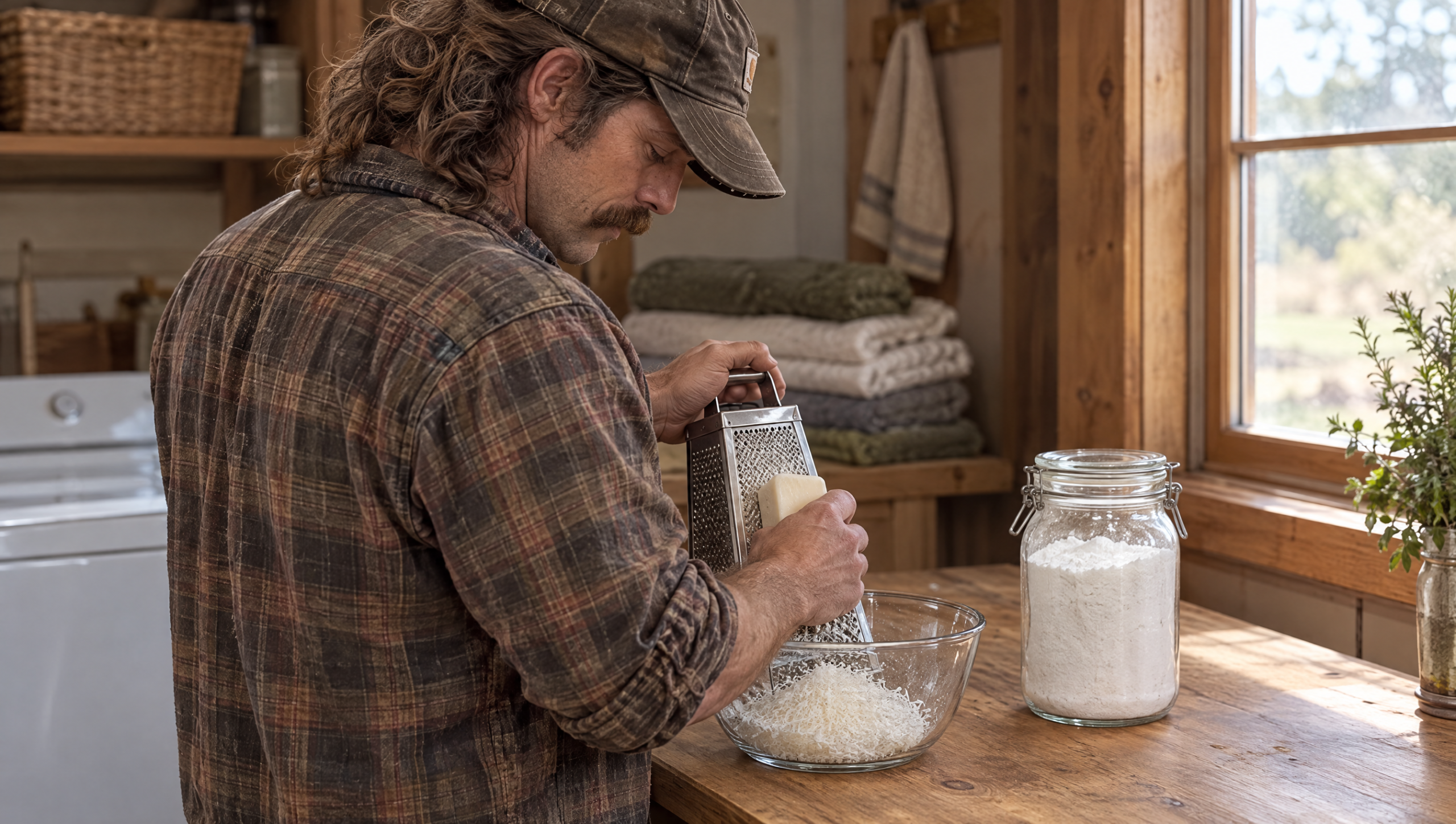
Step 1: Grate it fine. Use the small holes. Fine shreds melt in the wash. Big ones can leave flecks on dark clothes.
Step 2: Let the shreds dry for an hour. Spread them on parchment. Fresh soap holds moisture, and dry shreds keep the powder loose.
CHECKPOINT: Pinch a few shreds. They should feel dry and crumble a little. Still waxy? Give them another 30 minutes.
Step 3: Mix with gloves on. Stir everything in a big bowl for 2 to 3 minutes. Washing soda is strong enough to irritate eyes and skin, so wear gloves and keep your face back from the bowl.
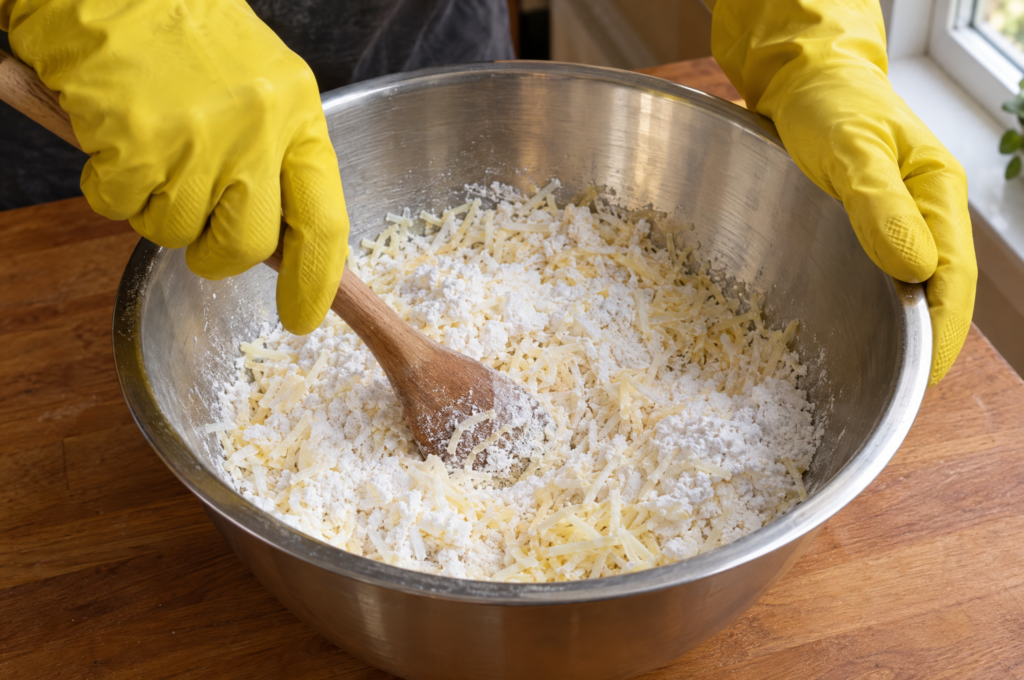
STOP POINT: Don’t hand the bowl to little helpers while borax or washing soda is loose in it. Poison Control warns borax is harmful if a child swallows it.
Step 4: Jar it. Spoon it into your jar, add a label and the date, and store it up high.
Step 5: Do the glass test. Stir 1 tablespoon into a glass of cool water and wait two minutes. Mostly dissolved with no chunks means you’re ready. Chunks mean grate finer next batch.
How much to use: 1 tablespoon for an HE washer. Up to 2 tablespoons for a regular top-loader.
READ MORE: How To Make Homemade Laundry Detergent
Recipe 2: Borax-Free Powder
As an Amazon Associate, we earn from qualifying purchases.
This one skips borax. Citric acid helps the rinse, and sea salt keeps the powder from packing down.
Ingredients:
- 1 bar (5 oz) castile soap, finely grated
- 1 cup washing soda
- 1/2 cup baking soda
- 1/2 cup citric acid
- 1/4 cup coarse sea salt
Step 1: Grate the soap and let it dry, the same as the classic powder.
Step 2: Pulse everything in a food processor until it’s even. A food processor blends the citric acid in better than a spoon.
STOP POINT: Keep this batch bone dry. Citric acid and washing soda react as soon as they get wet. Use a dry bowl and a dry spoon, and seal the jar right away.
Step 3: Store it in an airtight jar.
How much to use: 1 to 2 tablespoons per load.
READ MORE: Borax-Free Powder Detergent Recipe
Recipe 3: Liquid Castile Detergent
As an Amazon Associate, we earn from qualifying purchases.
If you wash mostly in cold water, this is your recipe. It does separate in the bottle, which is normal.
Ingredients:
- 1/4 cup liquid castile soap
- 1/4 cup washing soda
- 1/4 cup baking soda
- 4 cups very hot water
Step 1: Stir the washing soda and baking soda into the hot water until no grains are left on the bottom.
STOP POINT: Very hot water burns. Stir with a long spoon, pour slowly, and keep the pot on the back of the counter, out of kids’ reach.
Step 2: Let it cool a bit, then stir in the castile soap. Very hot water breaks castile down faster.
Step 3: Pour it into a bottle with a tight cap. Label it, and shake before each use.
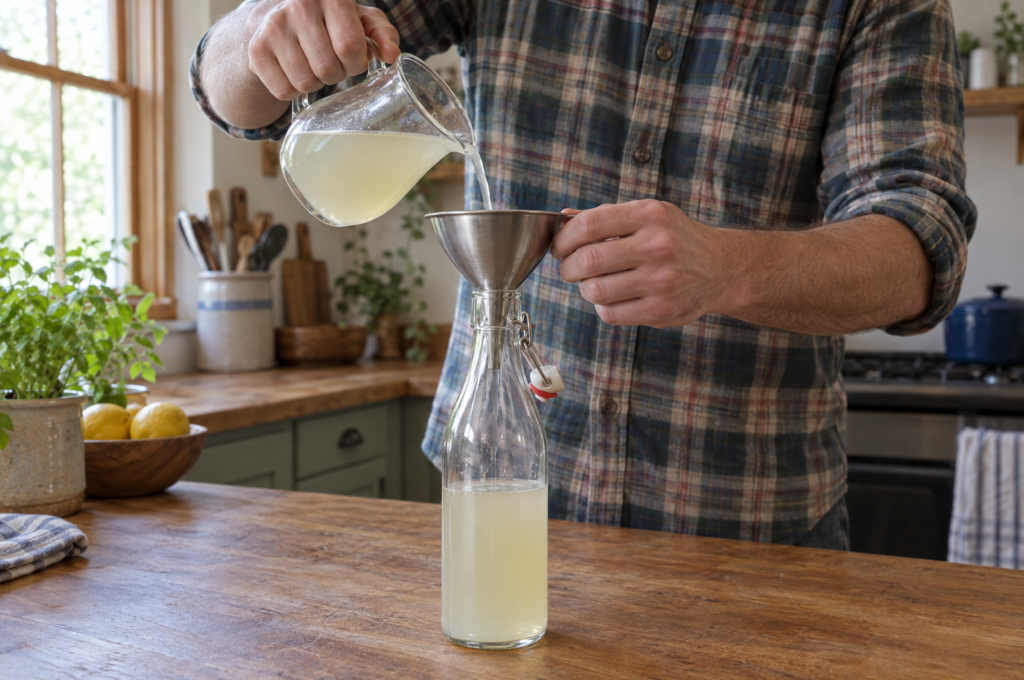
CHECKPOINT: After a day, it’ll look like gel and water. Shake it hard. If it mixes back together, it’s working the way it should.
How much to use: 2 tablespoons for an HE washer, up to 4 for a regular top-loader.
READ MORE: How to Make Your Own DIY Liquid Laundry Soap
Recipe 4: Lavender Powder
As an Amazon Associate, we earn from qualifying purchases.
This is the classic powder with a light scent. Make Recipe 1, then add the oil before it goes in the jar.
Step 1: Make a batch of the classic powder.
Step 2: Stir in 20 to 30 drops of lavender essential oil. Break up any clumps with a fork.
Step 3: Jar it and let it sit a day so the scent spreads through the powder.
Skip the oil for anyone with sensitive skin. Scent is the first thing to drop when skin reacts.
Recipe 5: Soap Nuts
Soap nuts are the dried shells of a soapberry. They hold natural saponins that loosen dirt in the wash. There’s nothing to mix.
Step 1: Put a few shells in a small cotton bag and tie it shut.
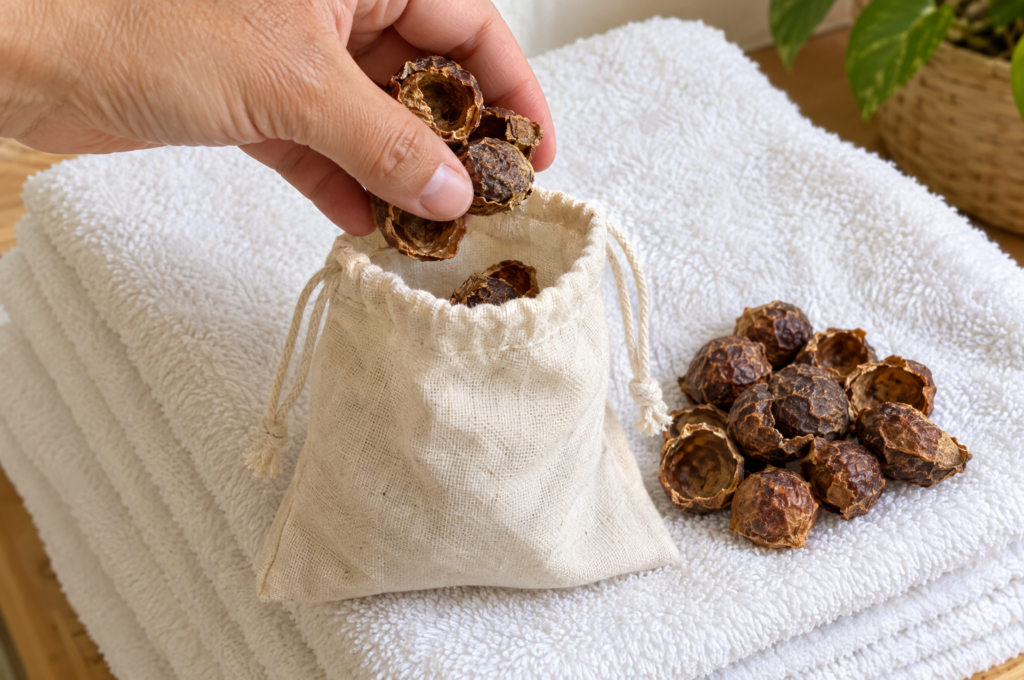
Step 2: Toss the bag in with the clothes.
Step 3: Reuse the bag until the shells look gray and soft. The number of loads varies by brand, so follow the package.
Soap nuts are gentle. They’re a good fit for light loads and sensitive skin, and a weak fit for greasy work clothes.
Recipes Side by Side
Here’s how these homemade laundry detergent recipes stack up, so you can see the best match for your laundry room at a look.
| Recipe | Best for | Water | Borax |
|---|---|---|---|
| Classic powder | Everyday loads, warm or hot water | Any, add washing soda if hard | Optional |
| Borax-free powder | Sensitive skin | Soft to moderately hard | None |
| Liquid castile | Cold-water washing | Soft to moderately hard | None |
| Lavender powder | A light scent | Any, add washing soda if hard | Optional |
| Soap nuts | Light loads and gentle washing | Soft | None |
Quick Fixes
Most first batches have a small hiccup. Find what you’re seeing below.
| What You See | Likely Cause | Fix |
|---|---|---|
| Powder turns to lumps | Shreds weren’t dry | Break it up with a fork. Dry the full hour next time. |
| Flecks on dark clothes | Shreds too big | Grate finer, or wash warmer. |
| Towels feel stiff | Soap curd from hard water | Add extra washing soda and a vinegar rinse. |
| Borax-free jar turns hard | Damp air got in | Seal the lid tight. Make smaller batches. |
| Too many suds | A little too much soap | Cut back to 1 tablespoon. |
For a deeper look at the vinegar rinse and stripping dull whites, see our full homemade laundry detergent guide.
Shortcuts That Backfire
Some tips sound like time-savers but cause the very problems people blame on the recipe. Skip these.
- Dish soap in the washer. It’s made to foam, and washers need low suds.
- More powder for dirtier clothes. Pre-treat the stain instead. Extra soap just leaves more film.
- Coarse shreds. They don’t melt, especially in cold water.
- Leaving the borax-free jar open. Damp air sets off the citric acid and turns the jar into a brick.
When to Call for Help
Homemade soap rarely causes real trouble. If the same washer error keeps coming back after you’ve cut the dose, or the washer won’t drain, call a repair tech.
If a child swallows borax or washing soda, call Poison Control at 1-800-222-1222 right away.
Buy Once
You only need a few things, and they last a long time.
As an Amazon Associate, we earn from qualifying purchases.
- Best: A laundry soap kit with bar soap, borax and washing soda in one box.
- Better: A large jug of liquid castile soap for the liquid recipe.
- Budget: A multi-pack of baking soda, plus whatever soap bar your store carries.
Your First Batch
If you’re not sure where to start, make the classic powder this week. Check your water first, and add the extra washing soda if it’s hard. Then use 1 tablespoon a load and see how your towels feel after a few washes.
That one batch tells you what your water and washer like. Once it’s working, the other homemade laundry detergent recipes on this page are easy to try.
When the load is done, hang it on a rack or clothesline.
FAQs
Which homemade laundry detergent recipes work in an HE washer?
All five are low-suds, which is what HE washers need. Use 1 tablespoon of powder or 2 tablespoons of liquid per load. If your washer is new and under warranty, read the manual first, since many ask for HE-labeled detergent.
How much homemade powder should I use per load?
Use 1 tablespoon for a front-loader or other HE washer, and up to 2 tablespoons for a regular top-loader. More soap doesn’t clean better. It leaves more film behind, so pre-treat stains instead of adding extra.
How do I know if my water is too hard for soap-based recipes?
Check your water utility’s yearly report or use a test strip. Above 7 grains per gallon counts as hard. Add 1/2 cup extra washing soda per batch. Above 10.5, add a vinegar rinse too. Stiff towels are the early sign that soap curd is building up.
Can I use homemade and store-bought detergent in the same house?
Yes, and it’s a smart way to start with homemade laundry detergent recipes. Use your homemade powder for light everyday loads. Keep a bottle of store-bought for greasy work clothes or heavy stains. You still save on most loads without fighting your toughest laundry.
Are homemade laundry detergent recipes safe around kids?
Yes, with a few habits. Wear gloves when you mix, since washing soda irritates skin and eyes. Store every jar up high with a label. Borax is harmful if swallowed, so call Poison Control at 1-800-222-1222 if a child gets into it.
Homemade or Store-Bought Detergent?
Homemade costs less and you know every ingredient in the jar. Store-bought handles hard water and heavy grime with no extra steps. Where do you land?
Tell us what your water is like and which way you went.