

Last Updated: July 2026
At a Glance: Freezing Your Garden Abundance
- Freezing is the safest, lowest-stress way to build a winter food supply.
- Matching your boiling and cooling times exactly keeps summer vegetables crisp.
- Squeezing out every pocket of packaging air prevents winter freezer burn.
Do you feel overwhelmed by your backyard garden right now? Once the mid-summer harvest peaks, it can feel like a full-time job just keeping up with the overflowing baskets of green beans, sweet corn, and zucchini sitting on your kitchen counter. You want to be capable and self-reliant, but you also don’t want to spend your hot summer weekends trapped over a boiling, high-stress pressure canner.
The wonderful news is that you do not have to. Freezing is the safest, most forgiving way to start saving your own food. It also allows you to build your pantry foundation in small, easy kitchen batches. This guide will show you exactly how to freeze and preserve summer vegetables so they keep their vibrant garden-fresh taste and crunch for up to a year.
⚠️ Food Safety & Kitchen Cleanliness Pathway
When preparing your fresh summer harvest for long-term cold storage, keeping things clean is your first line of defense. Always wash fresh garden dirt away under cool running water before cutting your vegetables. Never let your freshly boiled vegetables sit out on warm kitchen counters to cool down slowly. Slow cooling invites bacteria to multiply. Move your food immediately from the boiling water into a deep ice bath to keep it safe and high in quality.
🛒 Ingredients:
- Fresh Summer Vegetables: Gather your backyard surplus, such as green beans, snap beans, sweet corn, bell peppers, zucchini, yellow summer squash, sweet peas, or onions.
- Clean Running Water: Essential for washing away garden dirt before cutting and for filling your boiling pot.
- Ice Cubes and Cold Water: You will need plenty of ice cubes to prepare a deep ice bath that stops the cooking process immediately.
🛠️ Equipment & Tools Starter Pack
- A Standard Stove: Used to heat your water to a full rolling boil.
- A Home Freezer: Your freezing unit must be capable of staying at staying at 0 °F or lower to store your vegetables properly.
- A Large, Heavy Pot: This is used to boil your vegetables in small, one-pound batches.
- A Large Mixing Bowl: This holds your cold water and ice cubes for cooling the blanched vegetables.
- A Kitchen Timer: Essential for strictly tracking your boiling and cooling times down to the minute.
- A Slotted Spoon: Used to safely lift hot vegetables out of the boiling pot the exact second the timer goes off.
- Clean, Dry Cloth Towels: Necessary for patting your vegetables until they are completely bone-dry or for wrapping and squeezing moisture out of shredded squash.
- A Flat Metal Baking Sheet: Used to arrange your dry vegetable pieces in a single layer so they can freeze solid without clumping together.
- Heavy-Duty Freezer Bags: Ensure your storage bags are at least 3-mil thick to create a solid barrier against sub-zero air.
- A Standard Kitchen Drinking Straw: A low-tech tool used to manually suck out remaining air pockets from your freezer bags if you do not own an expensive vacuum sealing machine.
- A Permanent Marker: Used to write the vegetable name and the date clearly on the outside of every bag to keep your inventory tracked.
💡 Note for Beginners: You do not need to purchase an expensive pressure canner or a professional vacuum sealer to start building your winter food supply; this method relies completely on basic kitchen tools you likely already own.
Best Vegetables to Freeze from Your Summer Garden
- Green Beans (and Snap Beans)
- Sweet Corn (on or off the cob)
- Bell Peppers (all colors)
- Zucchini (and Yellow Summer Squash)
- Sweet Peas (shelled)
- Onions (diced or sliced)
Can You Freeze Raw Vegetables Without Blanching?
No, you cannot freeze most raw summer vegetables without blanching if you want them to keep their texture and flavor. Doing so leaves aging enzymes active, which quickly spoils your food in cold storage. Let’s explore exactly why this quick boiling step protects your harvest, and identify the few unique crops that can safely skip the pot entirely.
Why Boiling Your Summer Garden Harvest Keeps It From Going Bad
Inside every living summer vegetable, there are natural plant enzymes that cause the food to ripen, change color, and eventually spoil. Freezing alone does not stop these enzymes; it only slows them down. Giving your vegetables a quick bath in boiling water permanently deactivates these enzymes. This vital step locks in your harvest’s bright colors, sweet flavors, and vitamins. If you skip it, your food will turn tough, leathery, and flavorless in the freezer.
The Raw Exceptions
There are only a few select summer items that can bypass the hot water entirely. Raw, chopped bell peppers and onions can be packed directly into bags without boiling first. Because they are low in the specific enzymes that cause rapid cold-storage decay, they will stay good for up to six months for quick kitchen use in winter skillets and soups.
Blanching and Flash-Freezing Technique Guide
⚠️ IMPORTANT NOTE FOR BEGINNERS
This step-by-step boiling and cooling method applies perfectly to green beans, sweet corn, peas, and sliced zucchini. Do NOT use this method for bell peppers or onions. Peppers and onions turn watery and lose their flavor if boiled; they should always be frozen completely raw.
Step 1: How to Boil Summer Vegetables Step by Step
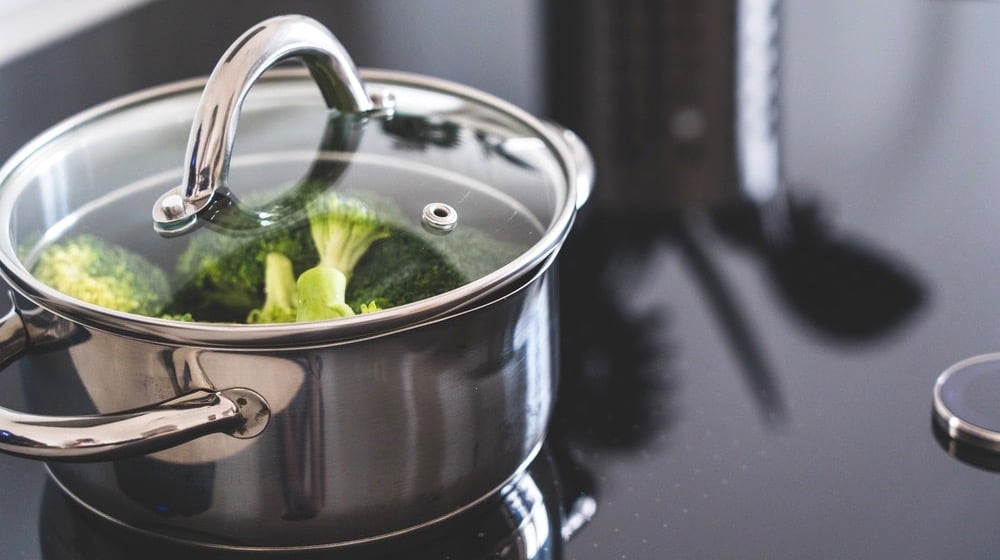
- Bring a large, heavy pot of clean water to a full rolling boil on your stove.
- Chop your washed green beans, corn, or zucchini into uniform, same-sized pieces so they all heat evenly.
- Drop one pound of vegetables at a time into the boiling water so the water stays bubbling hot.
- Set a kitchen timer immediately: Green beans need 3 minutes, sweet corn kernels need 4 minutes, and zucchini slices need 3 minutes.
Step 2: How Long to Keep Summer Vegetables in Ice Water
- Fill a large mixing bowl with cold water and plenty of ice cubes while your pot boils.
- Lift the hot vegetables out of the boiling water with a slotted spoon the second your timer rings.
- Plunge the hot pieces straight into the ice water immediately.
- Leave the vegetables in the ice water for the exact same number of minutes they spent in the boiling pot.
STOP POINT: The Texture Snap Test
Pull a piece of your summer vegetable out of the ice bath and bend it gently. A properly prepared vegetable should bend slightly but still snap cleanly under pressure. It should look bright and vibrant. If it is dull, dark, or mushy, it was over-boiled. Reduce your boiling time by 30 seconds for the next small batch.
Step 3: How to Freeze Individual Pieces on a Baking Sheet
- Lift the cooled pieces out of the ice water and spread them across clean, dry cloth towels.
- Pat them gently until they are completely bone-dry on the outside to prevent frost from forming.
- Arrange the dry pieces in a single layer on a flat metal baking sheet so they do not touch each other.
- Place the baking sheet flat in your freezer for 2 to 4 hours until every piece is frozen solid.
STOP POINT: The Loose Shake Test
Open your freezer and give the metal baking sheet a gentle shake. The frozen vegetable pieces should slide around and rattle against each other like loose marbles. If they are frozen separate and free, they are ready for final storage. If they stick to the pan or clump together, they still hold too much surface water.
Best Method to Freeze Summer Squash and Zucchini?
The best method to freeze these watery summer squashes is to either slice and blanch them or shred them raw and squeeze out the excess moisture completely. We highlight zucchini and summer squash because they are the ultimate “overwhelming” garden crops that grow so fast they quickly pile up on your kitchen counter, and they turn to complete slime if frozen incorrectly. Let’s look at the two separate ways you can prepare them safely to keep your large summer surplus from going to waste.
How to Keep Frozen Zucchini from Getting Soggy
Summer squash and zucchini are famous for taking over the backyard garden, but they are also high in water content. If you try to use common online shortcuts, like freezing raw slices, you will end up with a puddle of gray slime when you thaw them out. To preserve summer squash slices for winter side dishes, always follow the precise boiling and ice-bath cooling steps outlined above. This protects the delicate cell structures from collapsing.
Freezing Shredded Zucchini for Baking and Soups
If you love baking homemade zucchini bread or adding garden flavor to winter soups, the shredded method is your best option. Grate your fresh summer squash into a large bowl. Wrap the shredded squash in a clean kitchen towel and squeeze it firmly over the sink to draw out the extra liquid. Skip the boiling water for this method. Instead, pack the dry, shredded squash into measured, one-cup portions inside your storage bags. Label the bags clearly with the amount so you can pull out exactly what you need for holiday baking.
Storage Containers and Long-Term Freeze Duration
Best Freezer Bags and Containers for Garden Storage
Your freezing work is only as good as the storage container you use. Cheap, thin plastic sandwich bags let sub-zero air pass through easily, which will destroy your food in a matter of weeks. To preserve summer vegetables safely, invest in thick, heavy-duty freezer bags that are at least 3-mil thick.
If you do not own an expensive vacuum sealing machine, you can use a simple low-tech kitchen trick. Place your frozen vegetables into a heavy-duty freezer bag and zip it almost all the way closed, leaving a tiny gap at the edge. Insert a standard kitchen drinking straw into the gap and suck out all the remaining air pockets until the plastic clings tightly to the food. Pull the straw out quickly and zip the bag completely shut.
How Long Do Frozen Vegetables Last?
Properly frozen summer vegetables will stay fresh, delicious, and nutritious for 8 to 12 months in a standard home freezer. After this window, the quality drops, though the food remains perfectly safe to eat. Let’s look at how to track your kitchen stock and arrange your freezer layout to prevent waste.
Use-By Dates for Frozen Garden Vegetables
When prepared using these step-by-step home freezer rules, your frozen summer vegetables will stay at peak taste, color, and nutritional value for 8 to 12 months. They are still perfectly safe to eat after a year, but the quality and texture will slowly begin to decline. Always write the vegetable name and the date clearly on the outside of every bag using a permanent marker.
Managing Your Home Freezer Inventory
When you pack your winter pantry, place your newly frozen summer bags at the back or bottom of your freezer. Move your older stock naturally to the front where you will see it and use it first. This rotation routine ensures that none of your hard work in the garden goes to waste.
How to Prevent Freezer Burn on Vegetables?
You can prevent freezer burn by removing all the air from your storage bags and using thick, heavy-duty plastic wraps. This simple step creates a solid barrier that keeps moisture locked inside your food where it belongs. Let’s walk through how trapped air harms your harvest and how to pack your bags the right way.
Simple Ways to Protect Food from Freezer Burn
Freezer burn happens through a simple process called sublimation, where water moves out of your food and turns into ice crystals in the empty spaces of your packaging. Pockets of empty air are the primary cause of this damage. By combining tight air extraction with a heavy-duty plastic barrier, you keep the moisture locked securely inside your garden harvest.
Headspace Mechanics and Sublimation Barriers
To protect your hard work, always make sure your storage bags are filled well, but leave about a half-inch of space at the top of the bag for water-heavy summer vegetables to expand safely as they freeze. This small gap prevents the bags from bursting while ensuring there is no excess room for dead air to settle.
Troubleshooting Your Frozen Summer Harvest
| Symptom | Cause | Fix |
| Large Ice Crystals and Frost Blankets Inside the Bag | The summer vegetables were still wet on the outside when you packed them, or your freezer temperature is fluctuating. | Always spread your cooled harvest across dry towels until bone-dry. Check that your freezer stays at 0°F or lower. |
| Tough, Chewy, or Rubbery Textures After Thawing | The vegetables spent too much time in the boiling water pot and are overcooked. | Strictly follow the recommended timing chart down to the minute. Use the texture snap test during your next batch. |
| Faded, Off-Color, or Tasteless Vegetables | Under-boiling failed to stop the natural aging plant enzymes. | Increase your boiling time by 30 to 60 seconds on your next small kitchen batch. |
Frequently Asked Questions
Can you freeze raw summer vegetables without blanching?
No, you should not freeze most raw summer vegetables without boiling them first. Raw freezing leaves natural plant enzymes active, which quickly destroys the fresh color, crisp texture, and sweet flavor of your harvest within a few weeks. The only exceptions are chopped raw bell peppers and onions intended for quick skillet meals.
How long do frozen summer vegetables last?
When properly boiled, cooled, dried, and packed into heavy air-tight bags, frozen summer vegetables maintain peak flavor and nutrition for 8 to 12 months. They remain safe to eat long after this window, but the texture and taste will slowly decline over time.
Best method to freeze summer squash and zucchini?
The most reliable method is to slice them uniformly, boil them for 3 minutes, cool them in an ice bath for 3 minutes, dry them completely, and tray-freeze them in a single layer before final bagging. For baking use, shred the squash raw, squeeze out the excess water, and pack it into pre-measured one-cup portions.
How to prevent freezer burn on summer vegetables?
You can prevent freezer burn by removing every pocket of air from your packaging before sealing it. Use heavy-duty, 3-mil thick freezer bags and extract the air using a kitchen straw or a vacuum sealer. Always ensure your summer vegetables are completely dry on the surface before they go into the bag.
Is it cheaper to freeze my garden harvest or buy store-bought frozen bags?
Freezing your own backyard surplus is highly cost-effective because it uses basic kitchen tools you already own and prevents homegrown food waste. It saves money on winter groceries while giving your family high-quality, nutrient-dense food that contains zero store-bought preservatives or chemicals.
