Summer gardens draw more than sunshine. As plants grow taller and lusher, pests start showing up in force. Aphids cluster on stems while beetles chew through leaves. If left alone, these invaders can reduce yields and stress your crops just when they should be thriving.
Chemical sprays offer fast results, but they often stop more than the pests. They also damage soil health and harm pollinators. Over time, these artificial solutions disrupt the natural balance of gardens designed to work in harmony with the environment. This breakdown can make future pest problems even worse. That’s why natural pest control makes sense for long-term growing.
Put Your Plants to Work: Companion Pairings That Deter Pests
Some plants do more than feed your family. They repel bugs, mask scent trails, or draw pests away from your main crop. These protective qualities are the foundation of companion planting, a method that works to your advantage.
Here are a few proven combinations:
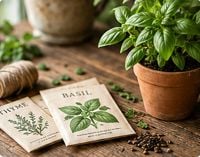
- Basil near tomatoes helps keep whiteflies and aphids at bay. It also enhances the flavor of the tomatoes.
- Marigolds near squash or beans repel nematodes and beetles with their scent.
- Radishes near cucumbers attract flea beetles and deter them from attacking more sensitive leaves.
- Onions and leeks when planted near carrots, confuse root flies and help reduce tunnel damage.
Space these companions in alternating rows or within shared beds. Avoid clustering one crop too tightly. Diversity helps break pest cycles.
The University of Minnesota Extension offers additional pairings based on pest behavior and root depth.
The Garden’s Hidden Helpers: Beneficial Insects That Do the Work
Not every insect causes harm. In fact, some species play a crucial role in controlling pest populations. These beneficial insects target common garden pests and help restore balance without the need for chemical sprays.
- Ladybugs feed on aphids and mites, two pests that often cluster on the tender growth of vegetables and flowers. By releasing ladybugs early in the season, you can prevent infestations from gaining a foothold.
- Lacewings prey on soft-bodied insects like thrips and mealy bugs, both of which damage leaves and stunt plant growth. They are instrumental in flower gardens and greenhouse beds.
- Parasitic wasps lay their eggs inside caterpillars such as hornworms and cabbage loopers. As the larvae grow, they consume the host from within and stop leaf damage without harming the plant.
- Ground beetles live near the soil surface and feed on slug eggs, root maggots, and other underground pests. Often overlooked, these beetles are most active at night and quietly protect root crops from early damage.
- To keep these allies close, plant yarrow, dill, and cosmos along garden edges. Leave small patches of bare soil for ground insects to nest. Avoid spraying insecticides, even organic ones, near pollinator zones.
DIY Garden Sprays That Don’t Hurt the Soil
Sometimes pest outbreaks need a targeted solution. That doesn’t mean you have to turn to synthetic chemicals. Instead, you can make your own garden sprays using simple, safe ingredients already in your kitchen.
Three safe and effective options:
- Garlic-Pepper Spray: Blend 2 bulbs garlic, 2 hot peppers, and 1 quart water. Let sit overnight, strain, and spray on leaves.
- Insecticidal Soap: Mix 1 tablespoon castile soap with 1 quart water. Spray in early morning to avoid leaf burn.
- Neem Oil Solution: Mix 1 teaspoon neem oil, ½ teaspoon soap, and 1 quart water. Shake well and spray once a week.
Apply sprays when the temperature is below 85°F. Test a small section before full coverage. For step-by-step instructions, UC IPM provides field-tested guidance.
Clean Beds, Fewer Bugs: Disrupt Pest Habitat Before It Grows
Most pests don’t fly in from far away. They hatch in soil, mulch, or debris and stay hidden until it’s time to feed. You can stop that cycle by cleaning up the spaces they prefer.
Garden cleanup tasks that reduce pest pressure:
- Remove dead leaves and weeds weekly
- Prune overcrowded areas to improve airflow
- Compost spent plants away from active beds
- Replace slug-attracting straw mulch with shredded leaves or pine needles
- Trim fence lines and walkways to reduce insect shelter
These small changes reduce pest numbers without disturbing the beneficial bugs that help maintain balance.
Natural Pest Control: How to Stay Ahead Without Harsh Chemicals
Natural pest control focuses on protecting beneficial insects, maintaining soil health, and encouraging natural predator–prey relationships in the garden. It’s about knowing where pests breed and making changes that stop the cycle early. With the right plant choices, beneficial insects, safe sprays, and effective cleanup, you can keep your garden productive throughout the entire season.
Tell us what you’ve used this season or what pest gave you trouble. Every garden works differently, and your insight could help another grower try a new method.
Have you used garlic spray or introduced ladybugs to your garden? Share your results or lessons in the comments. Real stories help others try new approaches.
FAQs
Will natural pest control work if I already have an outbreak?
Yes, but it takes consistency. Combine sprays with cleanup and introduce beneficial insects to reduce numbers over time.
Are homemade sprays safe for all vegetables?
Most are, but always test on a few leaves first. Avoid using oils or soaps during midday heat.
How long does it take to see results with companion planting?
Most changes appear within two to four weeks. Pairings need time and correct spacing to affect pest patterns.