
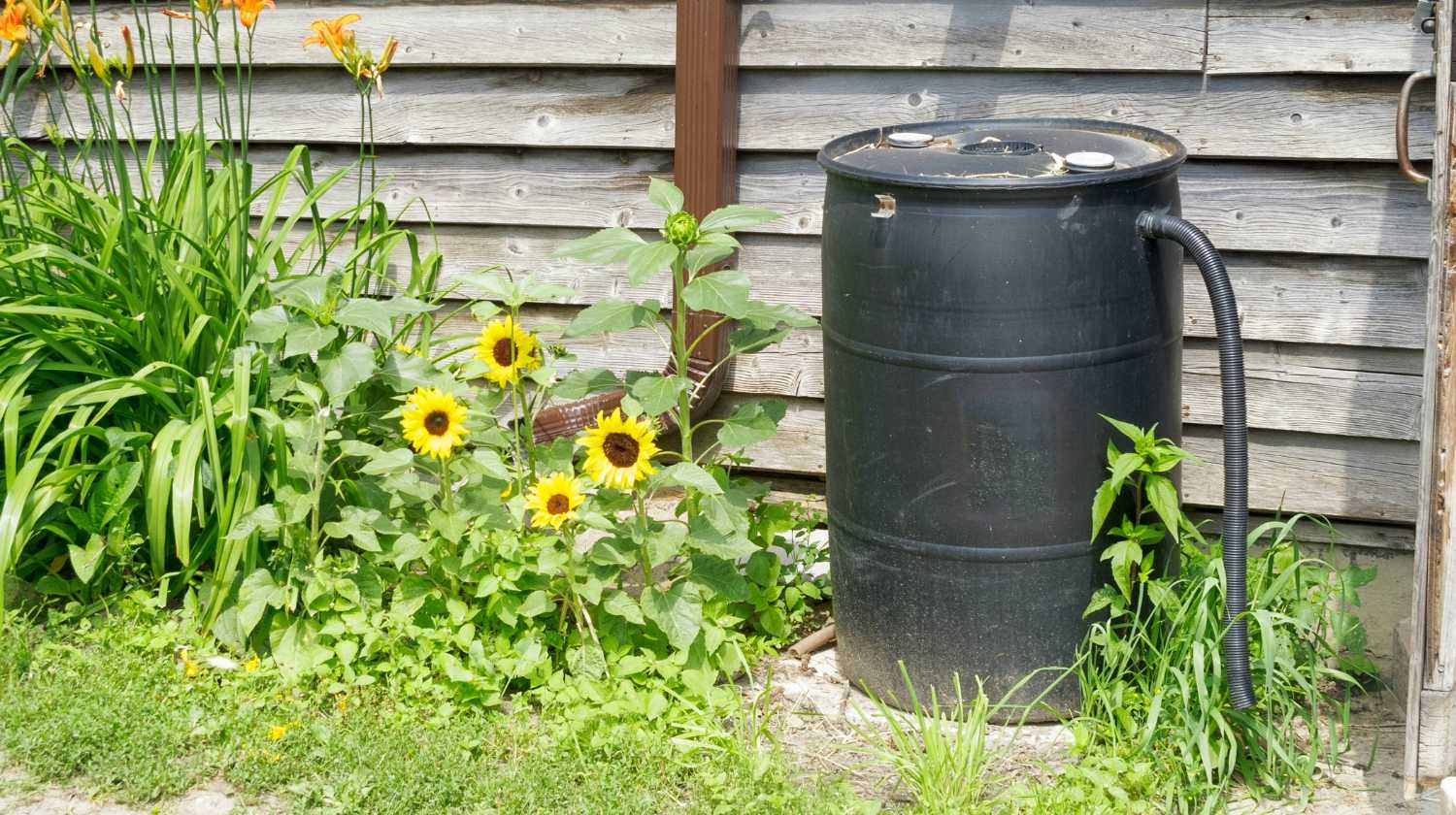

At a Glance: Rainwater Harvesting for Beginners
- Rainwater harvesting collects and stores rain from rooftops for irrigation, livestock, or emergency backup water.
- Cuts your water bill, reduces runoff, and keeps your homestead running during droughts or dry spells.
- Beginners only need a catchment surface, gutters, a downspout diverter, and a food-safe storage barrel to get started.
If you’ve watched your electric bill climb or sat through a storm outage, you already know the problem. When you rely on broken systems, you are at the mercy of their failures. True freedom starts with what you can build on your own land with your own two hands.
Rainwater harvesting is a process that lets you capture clean water during every storm and use it long after the clouds pass. The great thing about this method is that you won’t need complex equipment to make it happen. A rooftop, a barrel, and basic piping can give you stored water wherever and whenever you need it. Once it’s in place, the system will keep working season after season.
Is Rainwater Harvesting Good for Homesteading?
Relying solely on a municipal line or an electric-dependent well puts your family’s safety in the hands of “experts” who may not be there when you need them.
- Freedom from the Grid: When the power goes out, your well pump stops. A gravity-fed system keeps your livestock hydrated regardless of the electric company.
- Toxin-Free Growth: Modern “store-bought” water is often treated with chemicals you can’t pronounce. Rainwater is natural, pH-neutral, and exactly what your garden needs to thrive.
- Resilience Against Drought: Having “stored wealth” in the form of water can be the difference between a harvest and a total loss during dry seasons.
Homestead Rainwater Starter Kit: Essential Materials and Supplies
You can gather these essentials this weekend at a local hardware store or by “foraging” for used, food-grade materials in your community.
Your Essential Supplies:
- The Catchment (The Roof): Your existing shed, barn, or house roof is your most valuable tool.
- The Container: Look for a food-grade 55-gallon barrel or an IBC tote. (Pro-tip: Check with local food processing plants; they often sell these cheap).
- The Diverter: A “Downspout Diverter” kit. This taps into your gutter to send “liquid gold” into the barrel instead of the ground.
- The Shield: A fine-mesh screen to keep “critters” and mosquitoes out of your water supply.
- The Outlet: A simple brass spigot and waterproof sealant so you can access your water whenever you need it.
How to Build a DIY Rainwater Harvesting System
You don’t need fancy equipment to make this happen. Follow this steady, no-fluff roadmap to build a system that works season after season.
1. Level Your Foundation
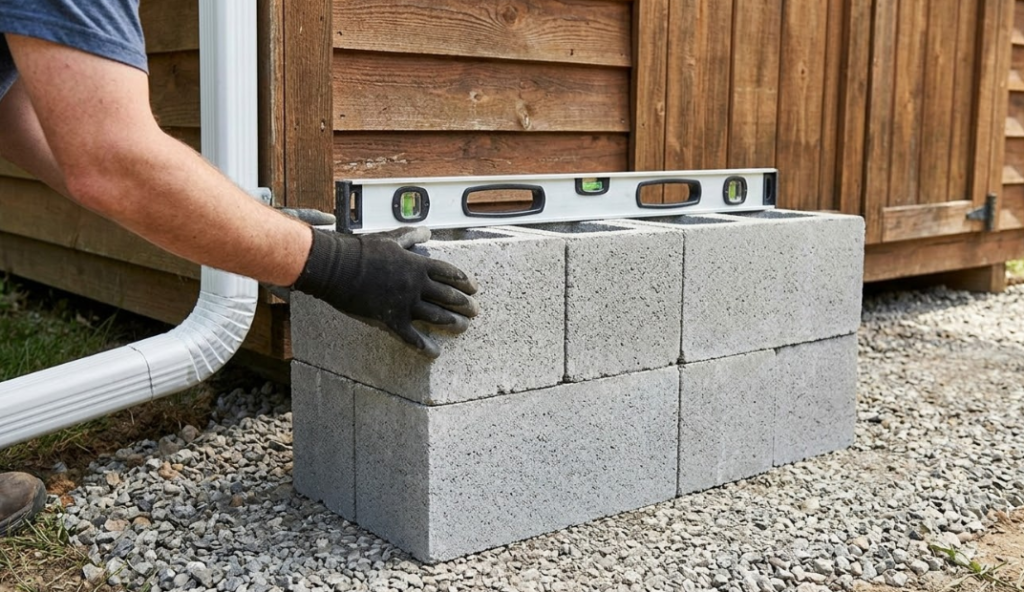
Water is heavy, weighing about 8 lbs per gallon. Use cinder blocks or gravel to create a steady, level base near your chosen downspout. Raising the barrel higher gives you better “gravity-flow,” allowing you to water your garden beds without an electric pump.
2. Install Your Diverter
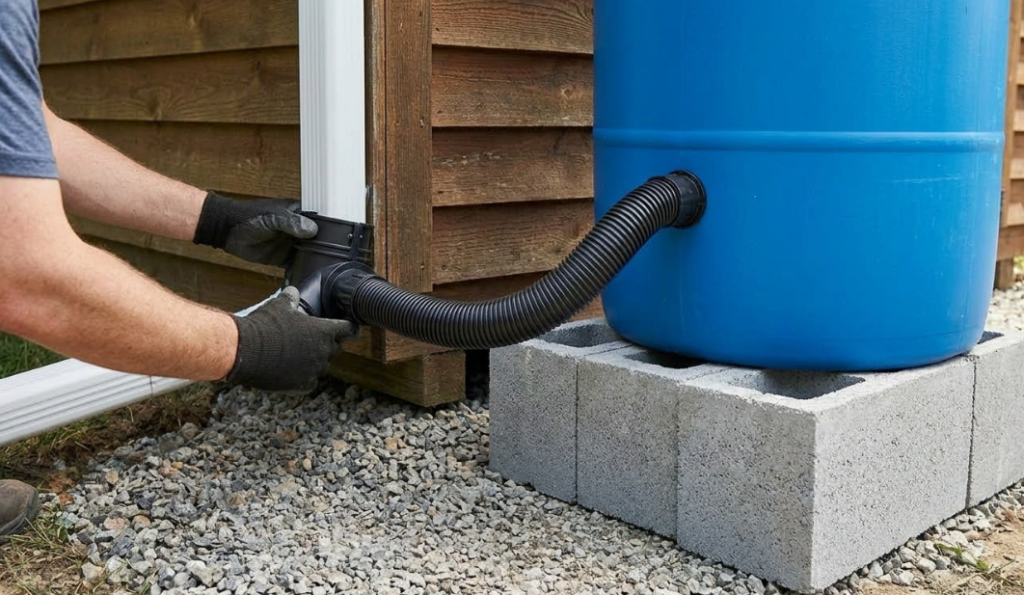
Cut a small section out of your downspout and install your diverter kit. This ensures that once your barrel is full, the extra water goes right back down the drainpipe instead of flooding your home’s foundation.
3. Seal and Protect
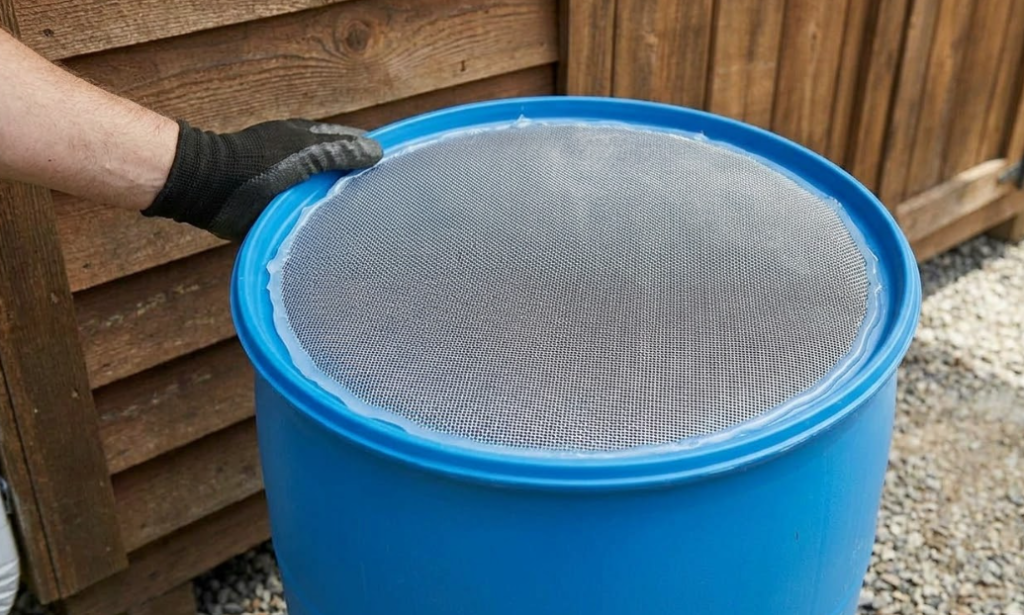
Place your mesh screen over the top opening. This keeps your water “toxin-free” from bird droppings and prevents leaves from turning your storage into a swamp.
4. Hook Up Your Hose
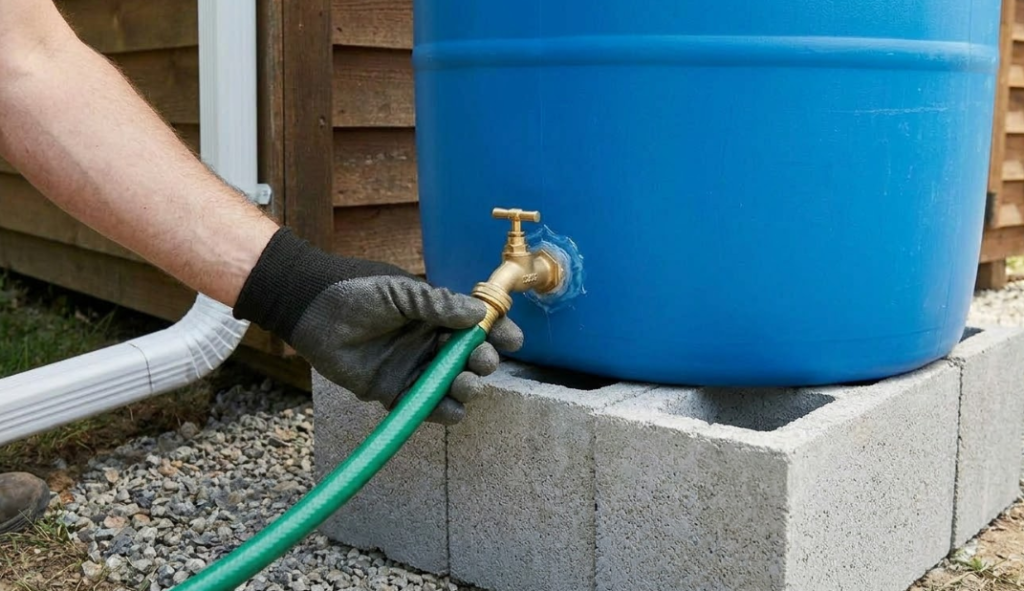
Install your spigot at the bottom. Now, you can run a simple garden hose directly to your “from scratch” garden or livestock troughs.
Rainwater Storage Maintenance: How to Keep Your Water Safe and Clean
A capable neighbor knows that a tool only works if it’s cared for. Sustainable living is rooted in routine.
- Monthly Check: Inspect your screens for “grit” or leaves that could clog the flow.
- The Seasonal Shift: As the seasons change, drain your barrels before the first hard freeze to prevent the plastic from cracking.
- Algae Control: Keep your tanks out of direct sunlight or paint them a dark, earthy tone to stop light from feeding mold.
Start Your Self-Sufficient Journey: Join the Conversation
You don’t have to go completely off-grid overnight. Start with one barrel. Learn the rhythm of the rain. As your skills grow, your system can grow with you.
Check out the USDA’s guide to rainwater harvesting, which covers additional safety tips and design ideas for rural use.
How are you collecting rainwater on your land? Got tips, upgrades, or lessons to share? Drop them below and we’d love to hear what works where you are.
FAQs About Rainwater Harvesting
How much rainwater can I collect from my roof?
You can collect about 0.6 gallons of water per square foot of roof for every inch of rain. A 1,000-square-foot roof can yield around 600 gallons during a one-inch rain.
Do I need a filter in my rainwater system?
Yes. A basic screen or first-flush diverter helps keep leaves, insects, and roof debris out of your storage tank. This protects the water and extends the life of your container.
Can I use rainwater for drinking?
Not without treatment. Untreated rainwater is not safe to drink. You’ll need to filter, boil, or purify it before using it in your kitchen or for pets.
What happens if my tank overflows?
Your system should direct overflow away from structures. Use a hose or pipe to route extra water to a gravel pit, swale, or garden bed that can handle the runoff.
What’s the best container for starting out?
A food-grade barrel or IBC tote is a good place to begin. They’re easy to install, affordable, and hold enough for garden and livestock needs.
Leave a Comment