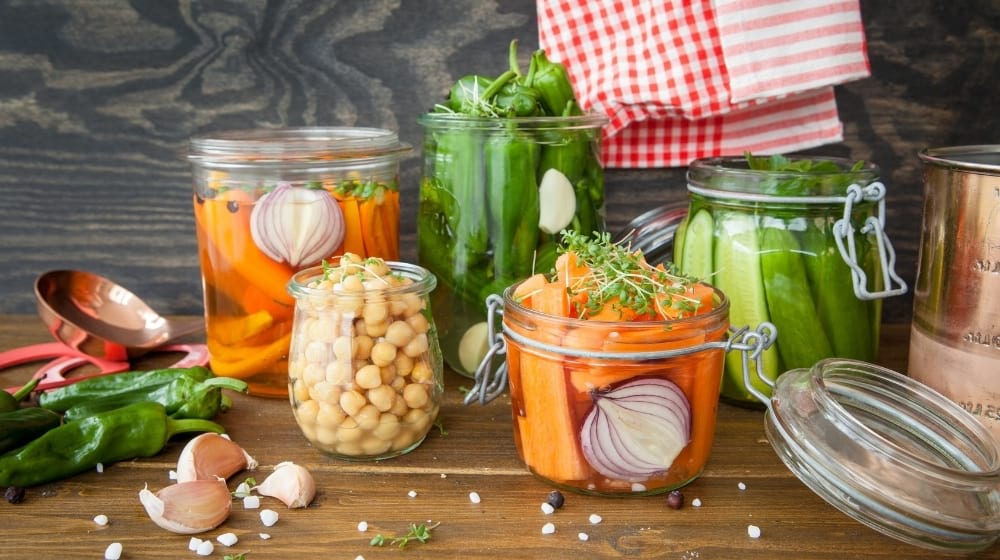

Apart from canning and freezing, fermenting vegetables is another cost-effective way of preserving your fresh produce while enhancing their nutrient levels.
Here is everything you need to know about fermenting your bountiful harvest.
In this article:
- Why Is Fermenting Vegetables Good for You
- What Vegetables Can Be Fermented
- Where Can I Ferment Vegetables and What Equipment to Use
- How Do I Prepare Vegetables for Fermentation
- What Is the Best Salt for Fermenting
- How Much Salt Should I Use for Fermenting Vegetables
- Why Is It Important to Keep the Vegetables Submerged
- When Should Fermented Vegetables Be Moved to Cold Storage
RELATED: Fall Harvest Crops | 23 Vegetables To Grow This Season
Fermenting Vegetables at Home | FAQs
Why Is Fermenting Vegetables Good for You
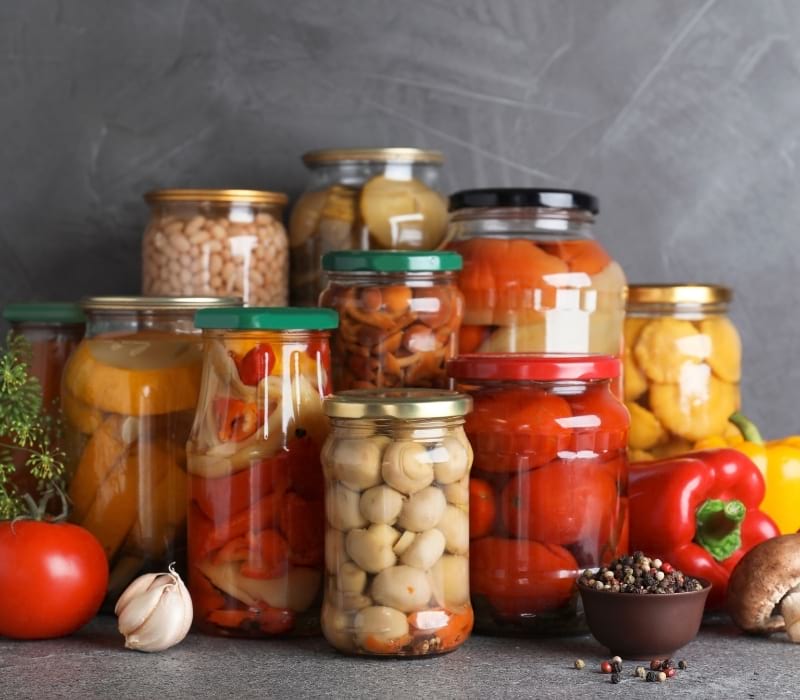
Fermentation is a process that prevents the growth of harmful bacteria in food while preserving and increasing the nutrients in the food. Therefore, fermenting vegetables is an ideal way to preserve your vegetable harvest while maintaining the nutrient levels for a long time.
Tips:
- Fermenting vegetables at home reduce food wastage, which will save you money.
- Most fermented vegetables have immunity and digestive benefits.
What Vegetables Can Be Fermented
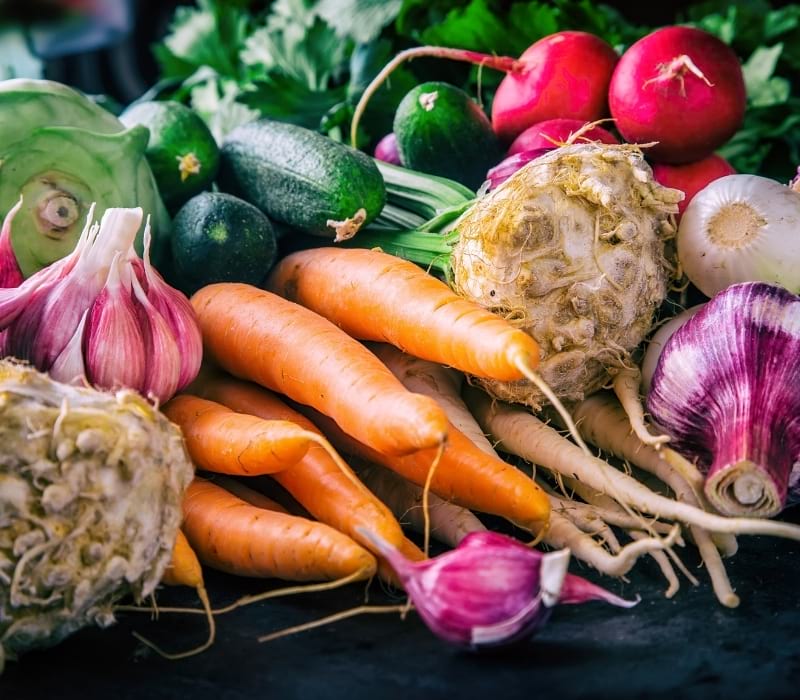
The list of farm-fresh produce that can be preserved through fermentation is endless. Aside from leafy greens, you can also ferment your marrow, root, and stem vegetables.
While people prefer fermenting one vegetable at a time, you can choose to mix different types to add variety to your diet. Throwing in spices and herbs also amplifies the flavor of your final product.
Tips:
- If you choose to ferment a vegetable medley, you can go with same-type veggies like cucumber and zucchini. You can use different types of veggies like pumpkins and Brussels sprouts together.
Where Can I Ferment Vegetables and What Equipment to Use
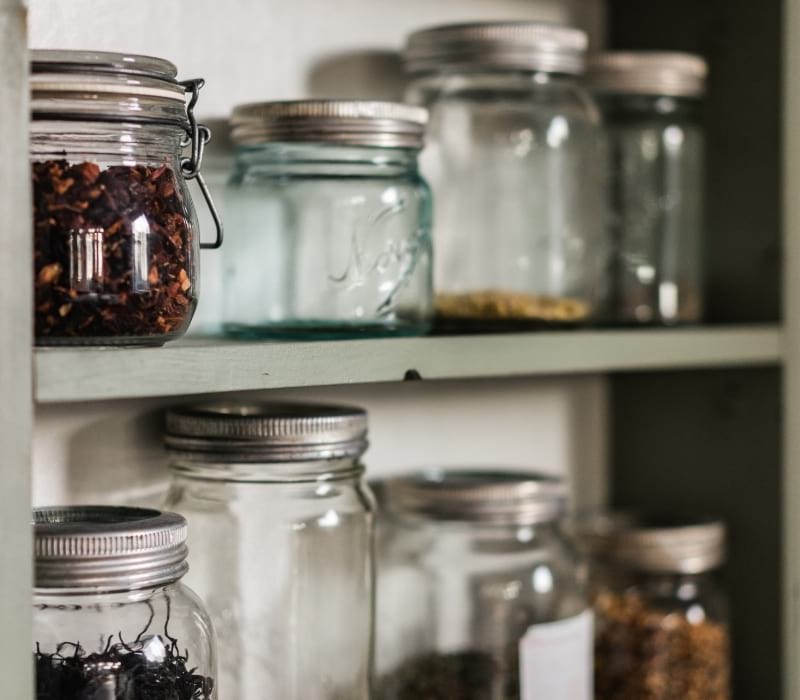
The mason jars in your kitchen are good enough for fermentation. However, you can complement them with other tools like fermentation weights.
Fermenting vegetables does not call for any specialized equipment, but using the right tools will make the process easier.
How Do I Prepare Vegetables for Fermentation
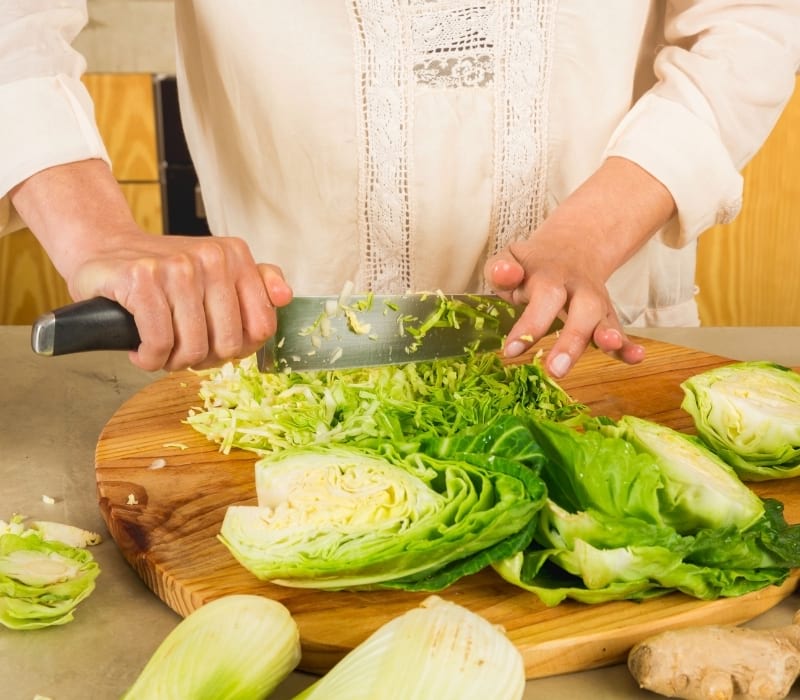
Besides ensuring your vegetables are thoroughly cleaned, how you prepare them for fermentation comes down to personal preference.
However, hard or crunchy vegetables like zucchini ferment are better when grated. This adds a relish texture to the marrow vegetables.
If you prefer slicing, go with thin slices for firm vegetables and thick ones for soft vegetables. Sliced peppers add both color and flavor to your food.
Bite-sized pieces work well for veggies that can be eaten raw, while larger sizes are better for vegetables that you can cook. Chopped fermented carrots make an easy, colorful, and healthy snack.
On the other hand, smaller vegetables, like Brussels sprouts, radishes, and green beans, are best left whole.
Tip: The best guide on how to prepare your vegetables is how you like cooking them. If you like cooking your zucchini in long grated spirals, it is best to ferment it in a grated form.
RELATED: 11 Fall Vegetables You Should Start Planting Now
What Is the Best Salt for Fermenting
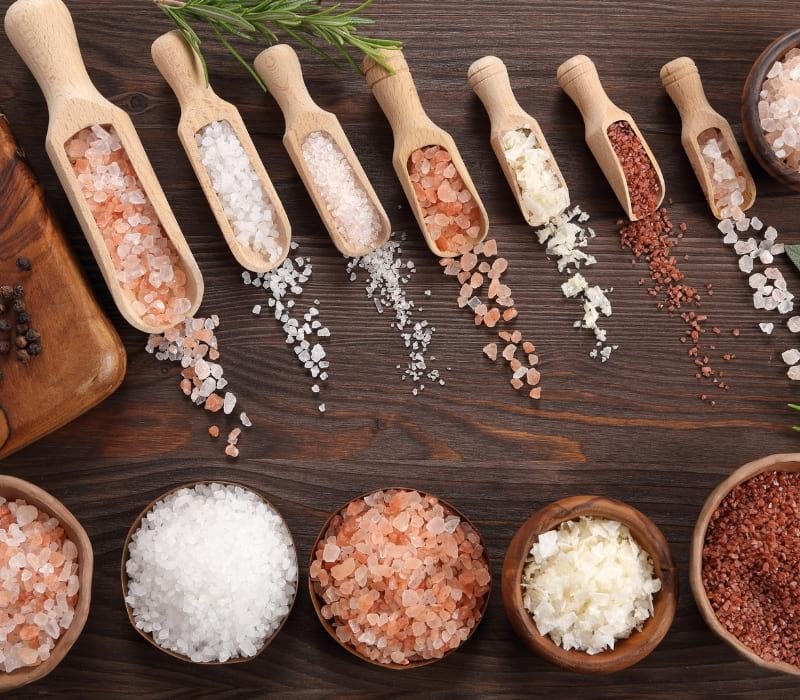
Fermenting vegetables calls for only three ingredients: vegetable, salt, and water. With such a short ingredient list, each component must be of the highest quality.
If you are looking for unrefined natural salts, sea and Himalayan salts will work for you.
Though highly refined, pickling salt can be used for fermenting because it does not have anti-caking agents and Iodine. Kosher salt is also not bad for fermenting vegetables. However, ensure that the Kosher salt you are using does not have anti-caking agents.
Tips
- Steer clear off iodized salt when fermenting your vegetables.
- To ensure the sea salt you are using is unrefined, check for pink, gray, black, or red specks.
How Much Salt Should I Use for Fermenting Vegetables
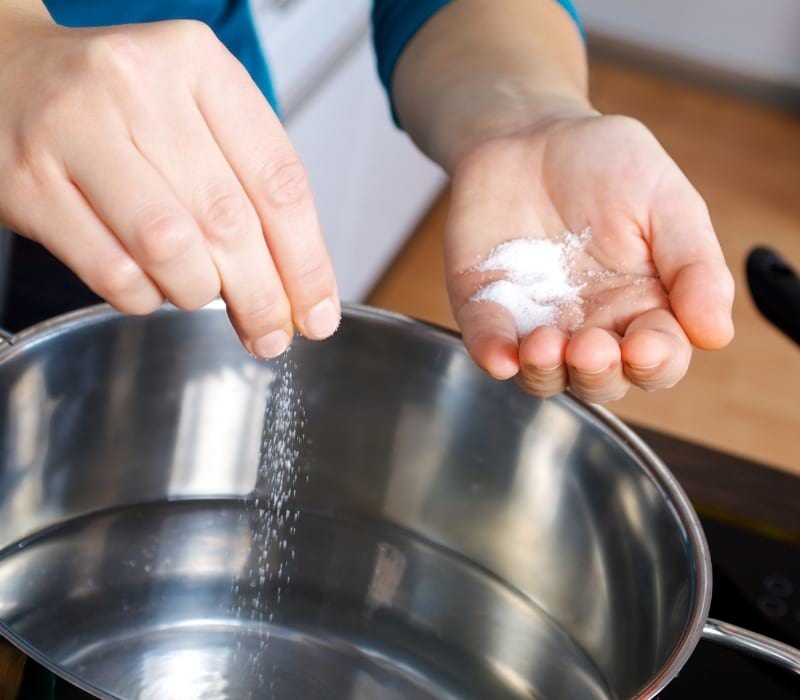
Most recipes state the amount of salt and water you should use, but a 2% brine always does the trick. That is two grams of salt for every 100 grams of vegetables.
Tip: Remember always to use filtered water as it does not contain fluoride, chlorine, and chloramines that inhibit the growth of healthy bacteria.
Why Is It Important to Keep the Vegetables Submerged
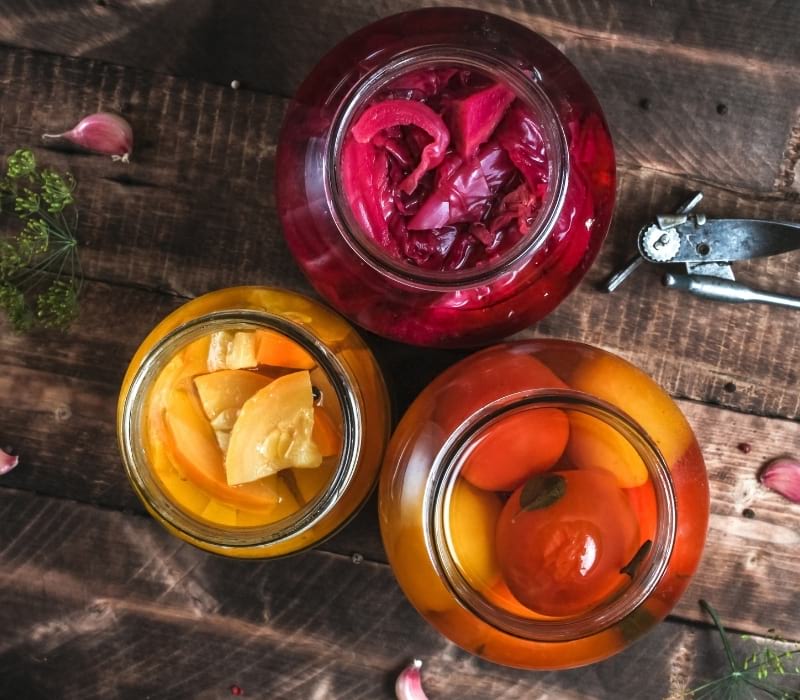
Under conducive conditions, the lactic acid bacteria in the brine colonizes the vegetables, which keeps out microorganisms that cause decay.
Since the salt in the brine creates a conducive anaerobic environment for lactic acid to grow, any vegetable outside the brine will be out of reach of the bacteria and in contact with oxygen. This will lead to mold development or rotting.
Tip: Ensure your vegetables are completely submerged even when using airless containers that come with an airlock.
When Should Fermented Vegetables Be Moved to Cold Storage
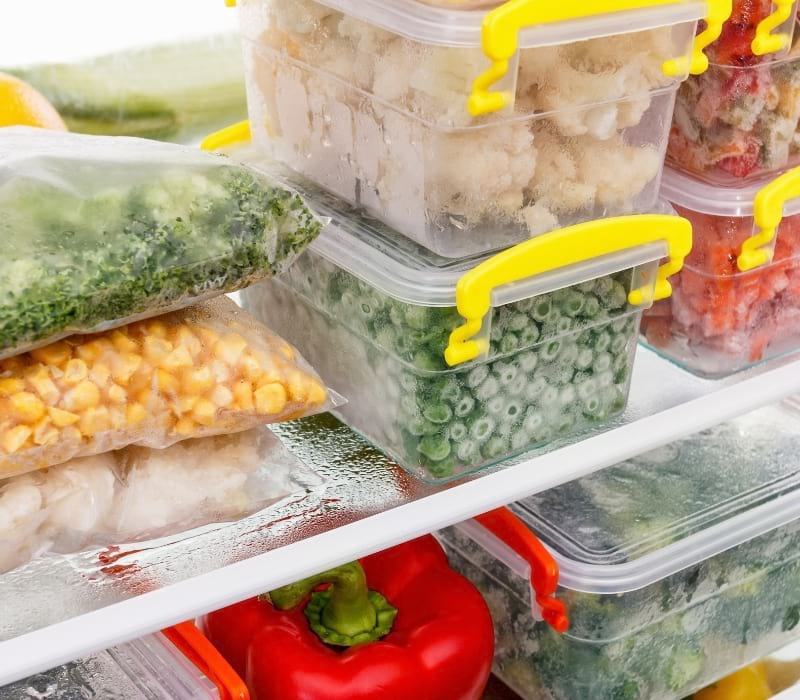
Knowing if culturing has occurred can be intimidating for a beginner. However, there are some signs that should give you the green light.
Within the first few days of the fermenting process, you will likely see bubbles in the brine. The bubbles are gases that are released during the process. Aside from gases, a sour aroma when you open your fermenting jars also indicates that the process is taking place.
Since fermenting is a continuous process, the best way to know when your fresh produce is fully fermented is by tasting it until it reaches your desired flavor, after which you can move it to your refrigerator.
Tips
- Temperature plays a significant role in how soon these tell-tale signs show; hence the results may vary from season to season.
- Smaller vegetables take on a fermented taste faster than larger or whole pieces. This means you might have to move them to cold storage sooner.
Watch this video from Farmhouse on Boone on how to ferment any vegetable:
Mastering the art of fermenting vegetables can be challenging initially, but with these detailed answers, you have the necessary knowledge you need to start preserving your vegetables through fermentation.
What vegetables are you fermenting this fall? Let us know in the comment section below!
Up Next
- A Guide To Dehydrating Apples
- 13 Fastest Growing Vegetables That You Should Plant In Your Garden
- How To Debone Chicken Like A Pro | Step-by-Step Guide
Fellow homesteaders, do you want to help others learn from your journey by becoming one of our original contributors? Write for us!