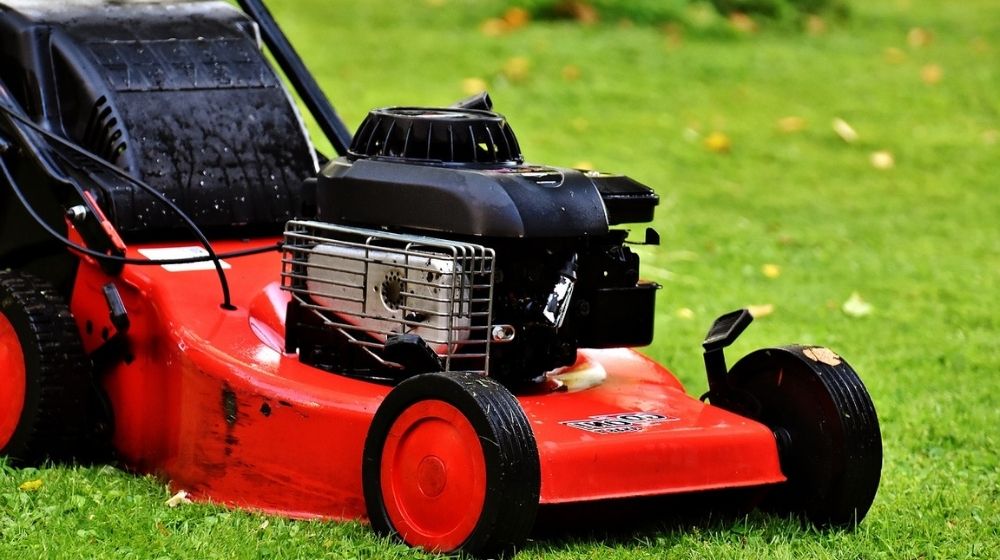

Quick Summary: Lawn Mower Repair
- Most lawn mower problems are caused by simple issues like dirty air filters, old fuel, clogged carburetors, or worn spark plugs.
- Basic maintenance and troubleshooting can often restore a mower without expensive repairs or professional service.
- Common fixes include cleaning or replacing the spark plug, sharpening or replacing blades, and checking fuel lines.
- Regular upkeep helps extend the life of your mower, improve performance, and prevent breakdowns during peak mowing season.
- Learning DIY mower repair saves money and builds self-reliance skills useful for homesteaders and homeowners alike.
RELATED: 23 Must-Have Gardening Tools For Every Happy Gardener
How to Fix a Lawn Mower and Its 11 Most Common Issues
When a lawn mower won’t start or suddenly stops running, the problem is often simpler than it seems. Many common mower issues come down to basic maintenance problems like stale fuel, clogged air filters, dirty carburetors, or worn spark plugs — all of which can be fixed at home with minimal tools.
This guide walks through common lawn mower repair issues, how to troubleshoot them, and when a simple fix can save you time and money. Whether you’re maintaining a homestead, caring for a large yard, or just want to avoid costly shop repairs, learning basic mower repair is a valuable skill.
1. Lawn Mower That Won’t Start

If your lawnmower won’t start, there are a couple of things that you should check out:
- Fuel: Your lawn mower will not run on an empty tank. Similarly, if the fuel is older than 30 days, get rid of it before cleaning the carburetor.
- Gas tank: Inspect the gas tank for any leaks. Seal any leaks you find if you can, but otherwise, replacements are usually available online in various lawn mower repair websites.
- Battery: Just like cars, lawnmowers rely on batteries to run. At some point, their batteries will give in to wear and tear and need replacing as they lose the capacity to hold or carry a charge.
- Air filters: Dirty air filters full of dust and dirt can also restrict airflow and prevent your lawnmower from starting. If the air filter is dirty, simply remove it and get rid of all that built-up debris. If it’s too damaged, then it might be better to just replace it altogether.
- Spark plugs: Loose, dirty, or disconnected spark plugs may be keeping your mower from running. Make sure your spark plugs are tight, clean, and connected securely before you try starting your machine. Change old and defective ones as spark plugs are prone to wear and tear.
2. Lawn Mower That Won’t Turn off Unless the Spark Plug Is Disconnected
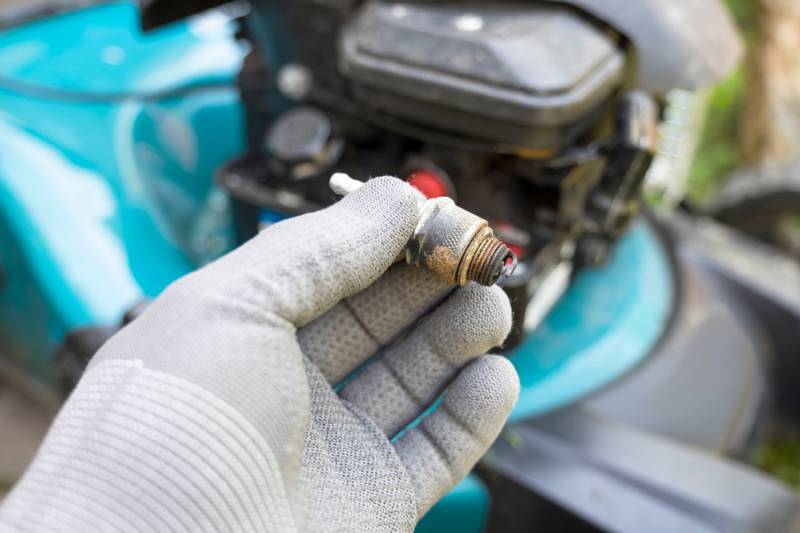
A lawnmower that won’t start is a headache, but one that won’t turn off can be just as problematic. Two culprits are often responsible for this problem.
First, the “kill” or ground wire, which may have been disconnected. Second, the ignition switch connections, which may no longer be working due to wear and tear.
Start by checking your ground wire. Make sure it is intact and connected to the area it “grounds” to.
If your ground wire is fine, move to your ignition switch and use an ohmmeter to check if the connection between the “B” and “S” terminals are active. If it’s not, replace your ignition switch and your lawnmower should work smoothly afterward.
3. Lawn Mower That Consumes Too Much Gas

Lawnmowers are not supposed to consume gas like a thirsty runner who just ran a full marathon without having a bottle of water. If yours does, a clogged air filter is typically your number one suspect.
This causes your mower’s engine to work overtime, forcing it to consume more gas to perform its normal capacity. To fix this, just clean your air filter thoroughly or replace it if it’s over a year old already.
4. Starter Rope That Is Either Stuck or Too Hard to Pull

An engaged flywheel brake is often the reason behind this simple problem. Before you pull the starter rope, make sure the flywheel brake is completely disengaged and doesn’t press against your mower’s handle.
If that isn’t causing the problem, check the blades. They might be touching the ground or grass might be clogging them, which blocks the startup process.
To fix this, just lay your mower down on a flat surface, disengage your spark plug, rid the blades of any dirt or grass cuttings, then try again.
5. Lawnmower That Overheats

When you feel that your lawnmower typically becomes too hot while mowing, don’t ignore it just because it’s still functional. Continuously using it in this condition may worsen the problem unnecessarily.
Start your lawn mower repair by checking the exhaust for any buildup of grass. The cooling fins are part of the head of your lawnmower engine cylinder. This tends to overheat when it gets clogged, so get rid of any grass, leaves, and other debris that may have found their way into your engine’s cooling fins.
RELATED: 50 Gardening Tips And Tricks To Become A Successful Homesteader
6. Smoke Rising From the Lawnmower
View this post on Instagram
While this is one of the most common lawnmower issues people face, surprisingly, no one knows exactly how to fix a smoking lawn mower. And no, DIYers, it’s not a sign that your lawnmower is about to explode.
Typically, an overfilled or leaking oil chamber causes this. Oil leaking into your lawnmower’s muffler can cause the engine to smoke as it burns the oil.
In such cases, simply turn off the engine and wait for it to cool before checking the chamber for leaks. Make sure the cap is sealed tight as well before you restart your lawnmower.
Rarely does a smoking lawnmower signal a serious problem. However, if it already affects the performance of your mower, then it is best to consult a lawn mower repair professional.
7. Lawn Mower With Reduced Speeds
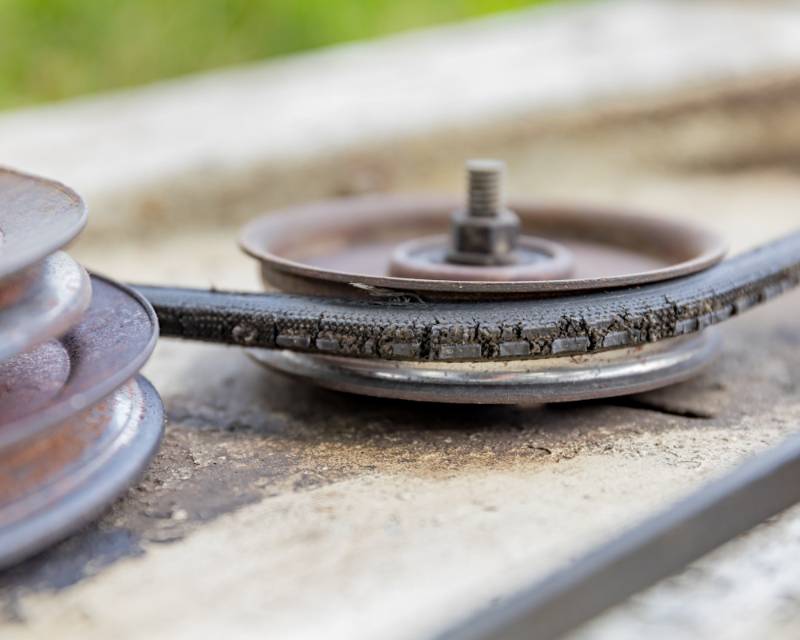
A damaged or dislocated drive belt might be the reason behind your mower’s slow speeds. This drive belt is typically found in the motor casing, though it is best to consult the manual if you’re not sure how to access it.
To fix this, turn your mower off before inspecting the drive belt. Reattach it if it’s only loose or replace it altogether if there is too much damage.
8. Lawnmower That Fails to Cut Grass

Ironically, grass that’s either too long or too wet causes a lawnmower’s failure to cut grass.
First, keep in mind that you should only do mowing during dry conditions. It’s never a good idea to cut wet grass as this can clog your mower.
Second, the grass might be too long for your lawn mower’s setting. Raise the deck’s height above its standard settings before you begin cutting overgrown grass.
Additionally, try to mow at a slower pace when cutting taller and longer grass. Make sure to get rid of grass, leaves, and other debris that may accumulate under the deck as you mow to allow your mower to function at full capacity.
9. Lawnmower With Uneven Mowing
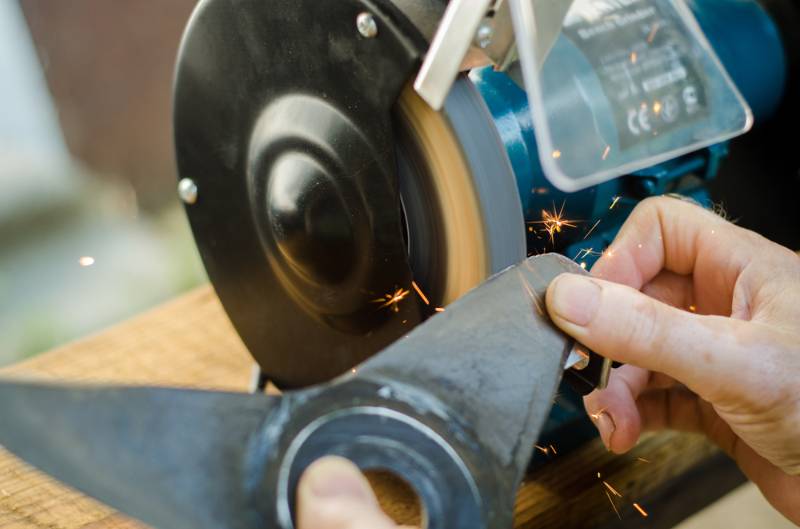
Uneven mowing is often caused by one of two things:
- Dull blades: For your mower to function well, the blades underneath have to be equally sharp. You can either sharpen the blades using a metallic file, bring them to your local lawn mower repair shop, or replace the blades altogether if they are too worn.
- Unbalanced buildup: Grass, leaves, and other debris might have built up on one side of your mower. Clean these out and empty as necessary.
10. Bumpy or Bouncy Mower
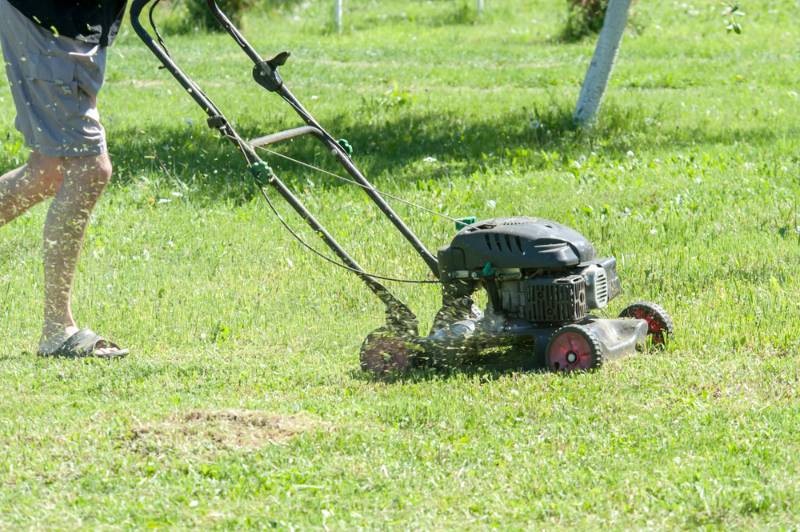
Inadequate oil is one of the most common causes of mowers that seem bouncy or bumpy while running. Check your oil levels and make sure to change them every once in a while for a smoother ride and better performance.
11. Excessively Vibrating Mower
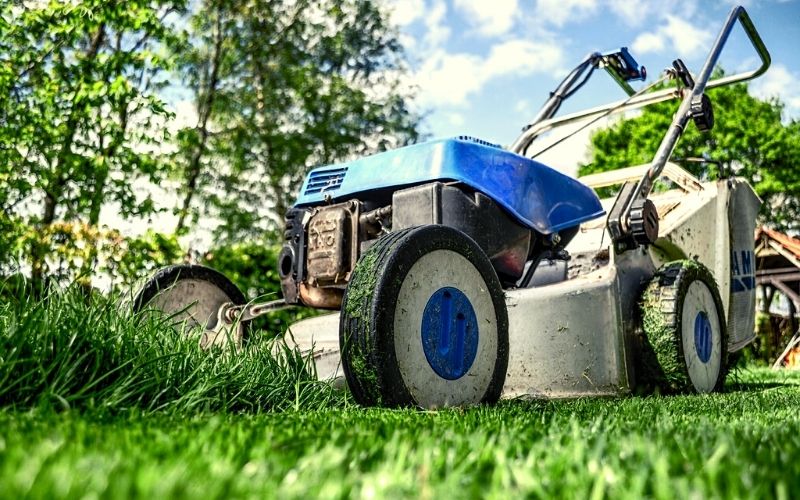
Damaged drive belts can cause lawnmowers to vibrate unusually and excessively. Make sure to have it installed properly and keep it in good shape. Worn-out or damaged drive belts may need replacement if simple repairs can’t address your problems.
Other factors that can cause this problem may include loose mounting bolts, an engine running below the advised RPM, or a cutting deck that isn’t in the right settings.
Pro tip: As much as possible, avoid running your lawnmower over hard objects like rocks and roots. These can damage different parts of your lawnmower, which might cause them to need repairs or even replacements.
Fixing Your Lawn Mower Is Easier Than You Think
Most lawn mower repair don’t require a mechanic or expensive replacement parts. With a little troubleshooting and regular maintenance, you can keep your mower running reliably season after season. Simple tasks like cleaning the carburetor, replacing spark plugs, and sharpening blades go a long way toward preventing breakdowns.
Taking the time to understand how your mower works not only saves money but also builds confidence and self-reliance, especially when equipment fails at the worst possible moment.
Get Your Mower Running Again Today
Before you haul your mower to a repair shop or replace it entirely, take a few minutes to inspect the basics. Clean the fuel system, check the air filter and spark plug, and perform routine maintenance before the next mowing session. A small effort now can keep your mower running strong and your yard under control all season long.
Avoid lawn mower repair altogether by following this lawn mower maintenance tutorial by This Old House:
A well-managed lawn is the hallmark of any DIYer’s home. Learning these common issues and lawn mower repair tips for each of them should help make sure that your mower is always in tip-top shape.
Frequently Asked Questions
- Why won’t my lawn mower start?
The most common reasons include old or contaminated fuel, a dirty air filter, a bad spark plug, or a clogged carburetor. Checking these items first solves many starting issues. - How often should I change a lawn mower spark plug?
Most manufacturers recommend replacing the spark plug once per season or every 25–50 hours of use. A worn plug can cause hard starts and poor engine performance. - What causes a lawn mower to stall while running?
Stalling is often caused by fuel flow problems, such as a clogged carburetor, blocked fuel line, or dirty air filter. Overheating or low oil levels can also be contributing factors. - Is it worth repairing an old lawn mower?
In many cases, yes. If the engine is in good condition, inexpensive repairs and routine maintenance can extend a mower’s life by several years. Replacement is usually only necessary if major engine components fail. - How often should lawn mower blades be sharpened?
Blades should typically be sharpened at least once per mowing season, or more often if you mow frequently or hit debris. Sharp blades cut cleaner and reduce stress on the engine. - Can bad gas damage a lawn mower?
Yes. Gasoline that sits too long can break down and clog fuel system components. Using fresh fuel and adding a fuel stabilizer before storage helps prevent problems. - What maintenance should be done before storing a mower?
Before storage, clean the mower, change or stabilize the fuel, remove the spark plug if recommended, and store it in a dry location. Proper storage prevents corrosion and starting issues later.
Do you have other questions about lawn mower repair or maintenance? Ask us in the comments section below!
UP NEXT:
- Your Ultimate Guide To Lawn Mower Blade Sharpening
- 12 Non-Toxic Weed Control Tips To Boost Your Garden’s Harvest
- Soil Prep For Backyard Gardening | [Chapter 4] Homestead Handbook
Fellow homesteaders, do you want to help others learn from your journey by becoming one of our original contributors? Write for us!