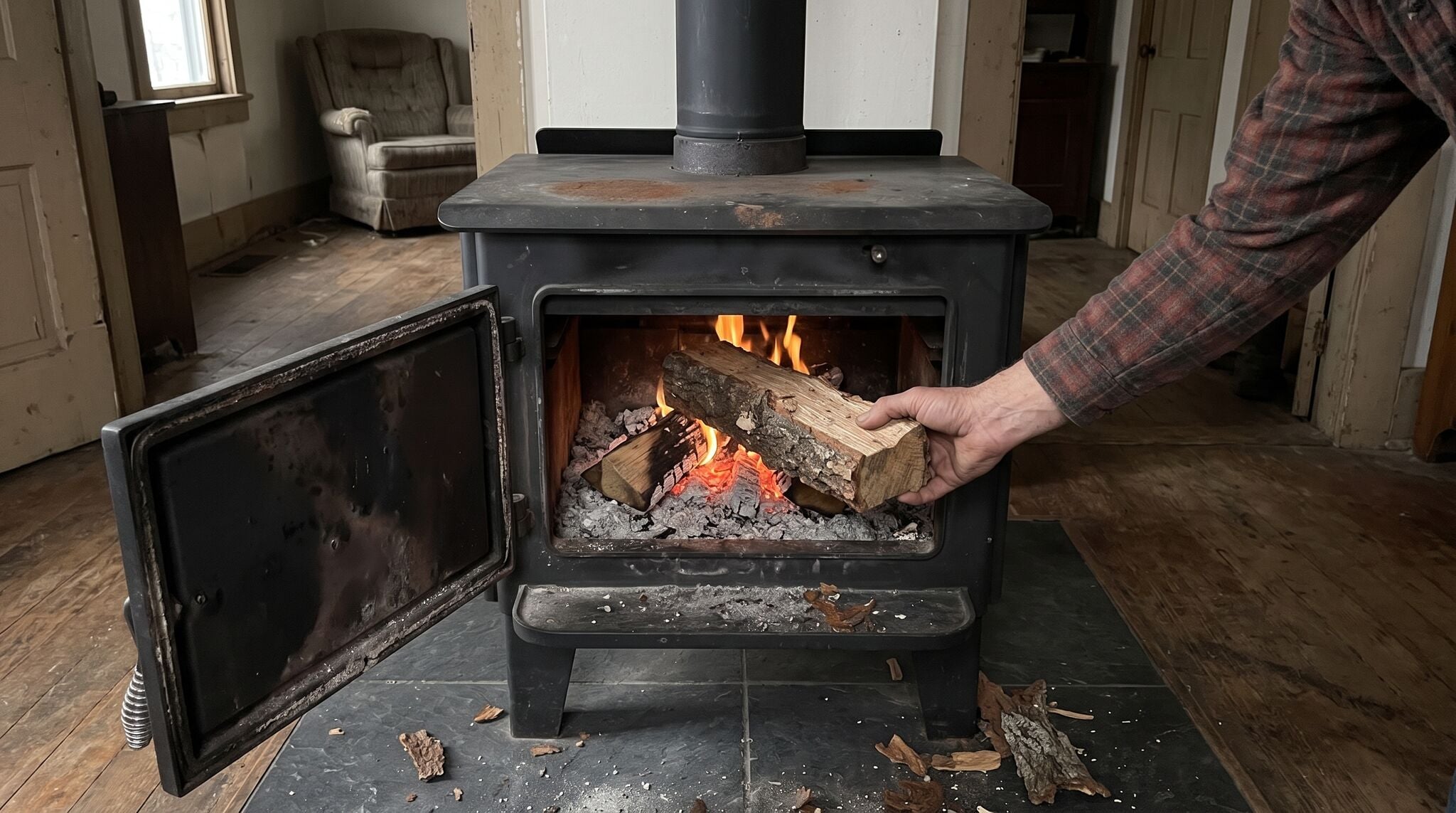

At a Glance: Wood Burning Stove
- A wood burning stove pays off when you have dry wood and storage.
- Plan on a permitted pro install, then a chimney sweep every year.
- Dry wood, under 20% moisture, is the habit that keeps it safe.
Is a wood burning stove worth it for your home, or is it more work than it’s worth? It’s a fair question. A stove can keep your family warm through an ice storm and cook supper when the power is out. It also asks for a steady supply of dry wood and a few safety habits.
This guide walks through the honest benefits and the real costs. Then it covers what safe ownership looks like, so you can decide with clear eyes and set it up right the first time.
As an Amazon Associate, we earn from qualifying purchases.
What a wood burning stove does well
A good stove gives steady, deep warmth that a furnace vent can’t match. It keeps working when the grid doesn’t. Here’s where it earns its place on a homestead.
It keeps you warm when the power goes out
A wood stove doesn’t need electricity to make heat. When a storm takes the lines down, you still have a warm room and a way to keep pipes from freezing. Many owners say this peace of mind is the real reason they bought one.
One owner on the Hearth.com forum summed it up after a season of use. He said the stove didn’t save him money once he bought a log splitter, but it gave him “peace of mind” and got him “outdoors more.”
Long-time wood burners tell the same story again and again. The power goes out for a week, and the house with the stove becomes the warm spot on the road. Neighbors drop by with soup to heat up, and the kids play by the fire.
It cooks and heats water in a pinch
A flat stovetop can hold a pot of soup or a kettle. That’s handy during an outage, or when your propane runs low. A cast iron pot or a heavy cast iron skillet works best, since it spreads the heat and won’t warp. The handle gets hot, so keep a pot holder close. (paid link)
It dries wet gear and herbs
A drying rack near the stove, but outside the clear zone, dries gloves and boots fast. It also works for herbs and mushrooms. Just keep anything that can burn at least 3 feet back from the stove.
It can cut your heating bill
If you can cut your own wood, or buy it at a fair local price, wood heat can cost less than propane or electric. How much less depends on your wood prices, your stove and your house. A standard cord of well-seasoned hardwood holds about 20 million BTUs of heat, according to Michigan State University Extension.
What a wood burning stove really costs
The stove is only one part of the price. The chimney and the install add up, and so does the wood. Knowing these costs up front keeps you from surprises in the first winter.
The install, the chimney and the permit
Most towns need a building permit before you put in a wood stove, and an inspector has to check it before the first fire. Massachusetts fire safety guidance spells this out, and many other states work the same way. Call your local building office before you buy.
The chimney or liner can cost as much as the stove itself. Get two written quotes from certified installers, and ask what’s included.
STOP POINT: Don’t install a stove yourself from a video. University of Maryland Extension warns that if a stove isn’t installed by a pro, or goes in without permits, your insurance company may dispute a claim after a chimney fire.
In this video, a wood stove installer from The Tin Man Inc. walks through the most common mistakes he sees when people put in their own stove and chimney.
Your homeowners insurance
Call your insurance agent before you buy the stove, not after. Some carriers ask for a permit or an inspection report. Some raise the premium, and on owner forums a few people say their bill went up a lot. Others say all their insurer wanted was a yearly chimney sweep certificate. A few carriers won’t cover wood heat at all, as MSU Extension notes. One phone call now tells you which kind you have.
Firewood, time and storage
Wood is the cost you pay every year. You’ll need a dry, covered place to stack it, off the ground. You’ll also need time to haul it in and to clean out the ashes.
How much wood you burn depends more on your house than your stove. Owners on wood heat forums say sealing drafts and adding insulation cut their wood use more than a new stove did. Our 4-weekend winterizing plan is a good first step before your first winter of wood heat. If you plan to split your own, our guide on how to split firewood by hand covers a safe setup.
If you split your own wood, a long splitting axe does most of the work for you. This one is a common pick for splitting firewood by hand. It’s long and heavy, so it suits adults with room to swing safely. (paid link)

- MULTI-USE AXE: Sharp blade axe is an ideal wood chopper designed for firewood, yard work, and lawn cleanup, with maximum efficiency for...
- EFFICIENT AND COMFORTABLE USE: Shock-absorbing handle with textured non-slip grip reduces hand strain, improves control, and prevents...
- LONG-LASTING AND RELIABLE: Hardened forged steel blade stays sharper longer than traditional axes and advanced bevel convex design...
A yearly chimney sweep
Plan on a chimney inspection every year, and cleaning when the sweep says it’s needed. University of Maryland Extension says to leave this job to a pro and to hire a sweep certified by the Chimney Safety Institute of America (CSIA).
Local burn rules and no-burn days
You may have seen headlines that wood stoves are being banned. There’s no federal ban on heating with wood. What the EPA does is set smoke limits for new stoves, covered below.
Some areas do call no-burn days when the air is bad. In the San Francisco Bay Area, for example, a no-burn alert on New Year’s Day 2026 stopped the use of wood stoves and fire pits, CBS News reported. Homes where wood is the only heat source were exempt if they used an EPA-certified stove. Ask your town or county if you have rules like this before you buy.
How to choose a wood burning stove
The right stove makes everything else easier. A newer, certified model burns cleaner and makes less smoke and creosote. Here’s what to look for.
Pick an EPA-certified stove
Since 2020, new wood stoves sold in the US must meet an emissions limit of 2.0 grams of smoke per hour (tested with crib wood) or 2.5 grams per hour (tested with cord wood), according to the EPA. Older stoves were held to 4.5 grams per hour, and the oldest ones had no limit at all.
Look for the EPA certification label on the back of the stove. You can also check the model in the EPA’s certified wood heater database.
Used stove tip: An old stove from a yard sale can be tempting. If it has no EPA label, it will likely smoke more and build creosote faster. Check with your town and your insurer before you pay.
Size it to the room, not the house
A stove that’s too big for your space runs too hot, so people turn the air way down. That makes the fire smolder, which builds creosote fast. Tell your installer the square feet you want to heat and how drafty the house is. Let them size it.
Leave room for clearances
Every stove needs a clear zone around it. Listed stoves come with clearance numbers in the owner’s manual, and you follow those. University of Maryland Extension says most unlisted stoves need 36 inches from combustible walls, or as little as 12 inches with proper wall protection. Measure your space before you shop.
Gear for safe wood heat
A few low-cost tools do most of the safety work. They let you check your wood and your fire instead of guessing.
As an Amazon Associate, we earn from qualifying purchases.
Check your wood before it goes in
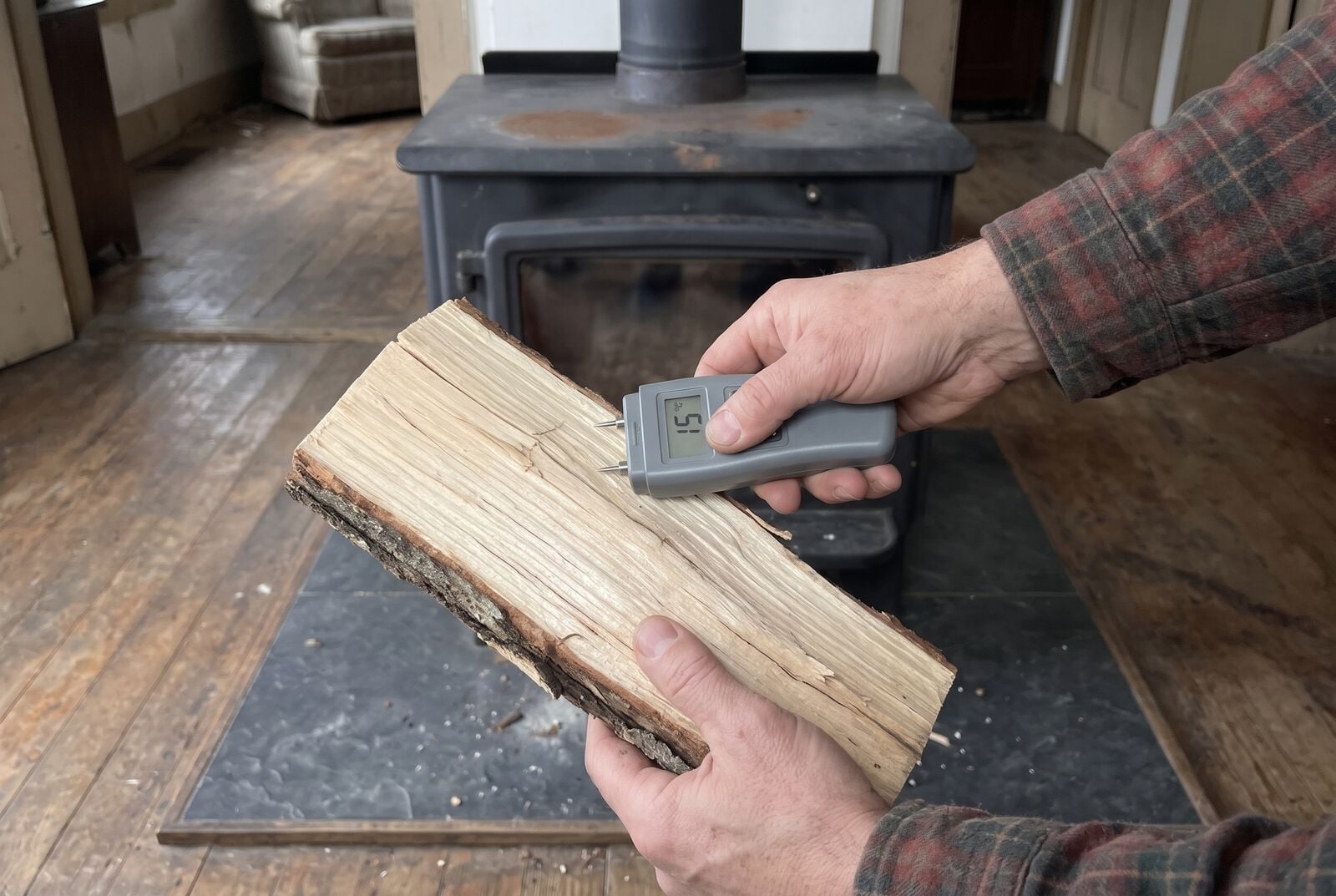
A moisture meter tells you if your firewood is ready. Split a piece and press the pins into the fresh face, not the bark end. You want a reading under 20%.
One simple choice is a pin-type moisture meter with a wood setting.
A meter like this is made for quick spot checks, not lab work. Test a few splits from each pile, not just one. (paid link)
Watch your fire temperature
A magnetic stove thermometer shows you when the fire is burning too cool and making creosote, or too hot. It sits on the stovetop or the stovepipe, based on the maker’s directions for your stove.
One simple choice is a magnetic stove thermometer with a large dial you can read from across the room.
A thermometer won’t replace your manual. Use the range your stove maker gives, since every model runs a little different. (paid link)
How to use a wood burning stove safely
Safe wood heat is mostly a few habits you repeat every day. Each one is small. Together, they keep smoke and carbon monoxide out of your home.
Burn only dry, seasoned wood
Fresh-cut green wood can be 60% water or more by weight, says MSU Extension. Burning it wastes heat on boiling off water, and it builds creosote in your chimney. Season split wood until it reads about 20% moisture or less. Split wood usually needs at least one full summer stacked to dry. Oak can take longer.
CHECKPOINT: Before the first fire of the season, test three splits from the pile you’ll burn first. If any read over 20%, burn a drier pile and let that one wait.
Keep creosote under control
Creosote is the leading cause of chimney fires, according to University of Maryland Extension. It builds up fastest with wet wood and smoky, low fires. Burn hot, bright fires with dry wood, and have the chimney checked every year.
Put carbon monoxide alarms in the right place
Install smoke and carbon monoxide alarms on each level of your home, and outside sleeping areas. University of Maryland Extension says to mount them on the ceiling or high on a wall, not plugged into a low wall outlet. A battery carbon monoxide alarm (paid link) gives you a choice of where to mount it.
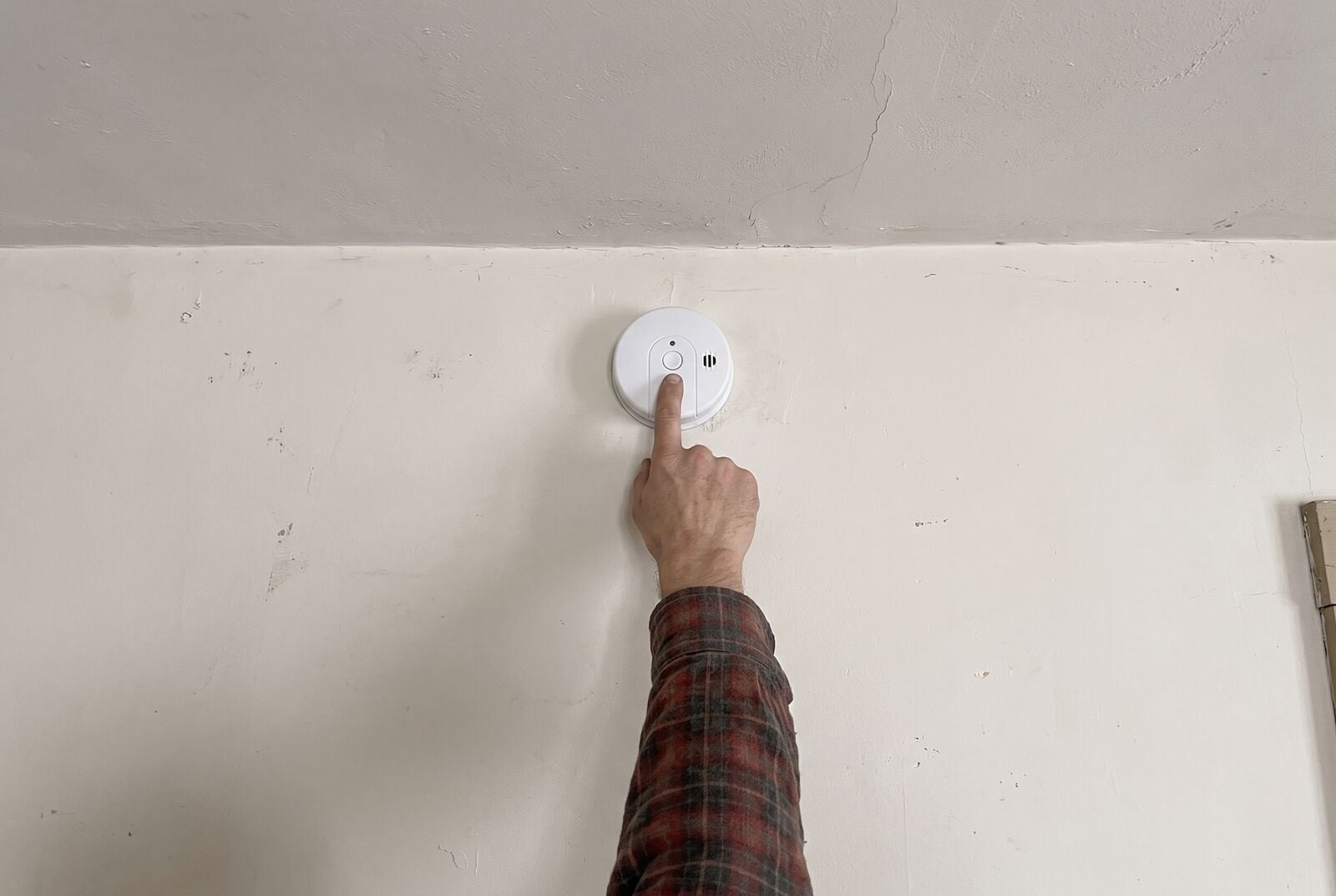
Also check the door gasket each fall. A worn or missing gasket can let smoke and carbon monoxide into the house, UMD Extension warns.
STOP POINT: If your CO alarm sounds, get everyone outside to fresh air right away and call 911 or the fire department from outside. Don’t go back in until they say it’s safe.
Handle ashes the safe way
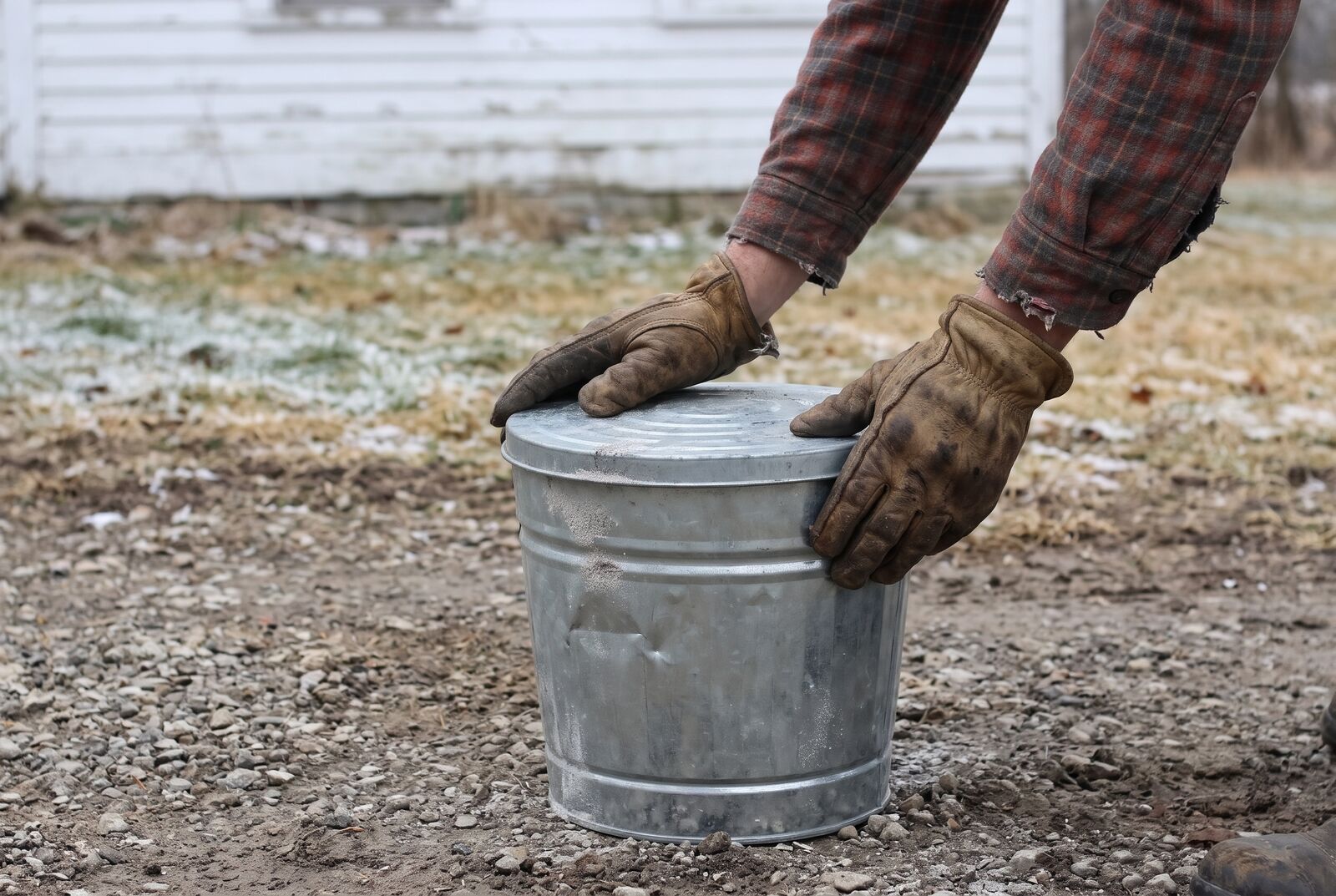
Ashes can hold live coals for days. A longtime volunteer firefighter, commenting on a wood heat video this fall, said two houses in his area burned from ashes kept in the wrong container. Shovel them into a metal bucket with a metal lid, then set it outside on the ground, away from the house, as Massachusetts fire safety guidance advises. A metal ash bucket with a lid (paid link) keeps the job simple. Never put ashes in a paper bag or a plastic bin.
For more daily habits, our wood burning stove tips cover how to start a fire and keep it going.
Troubleshooting common wood stove problems
Most stove problems trace back to wet wood or a fire that’s starved for air. Start with those two before you call for help.
| Symptom | Likely cause | Fix |
|---|---|---|
| Smoke comes into the room | Cold chimney or a blocked flue | Warm the flue with a small, hot fire first. Have the chimney checked if it keeps happening |
| Fire hisses and won’t catch | Wet or green wood | Test with a moisture meter. Burn drier wood |
| Black, sticky glass | Low, smoky fires | Burn hotter with dry wood. Don’t turn the air down too early |
| Room gets too hot | Stove too big or too much wood | Load smaller amounts more often |
| Strong smell of smoke outside | Smoldering fire or wet wood | Give the fire more air. Use seasoned wood only |
Common shortcuts to avoid
Some wood stove tips online save time today and cause trouble later. These are the ones to skip.
- “It’ll dry out in the stove.” Wet wood never burns well. It builds creosote and wastes heat.
- Turning the air all the way down overnight. A smoldering fire is the fastest way to coat a chimney with creosote.
- Skipping the permit. It can leave you without insurance coverage after a fire.
- Burning trash or painted wood. Burn only dry, seasoned firewood.
- A plug-in CO alarm in a low outlet. Mount alarms high, where they work best.
When to call a pro
Some wood stove jobs belong to a certified pro, every time. Here’s where to draw the line.
- The install, the chimney and the liner. Use a certified installer, and get the permit and inspection.
- Yearly inspection and cleaning. Hire a CSIA-certified chimney sweep.
- After a chimney fire. Don’t light the stove again until a sweep checks the whole chimney.
- Cracks in the stove body or chimney. Stop using it until a pro looks at it.
- Smoke that won’t go up the flue, even with dry wood and a warm chimney.
To see how much goes into a safe chimney, this This Old House video walks through installing an insulated chimney pipe from the stove up through the roof.
Buy once: what’s worth spending on
The stove and the chimney are worth doing right. The small tools don’t need to be fancy, but they do need to be there.
- Best: An EPA-certified stove installed by a certified pro, with a stainless liner if your chimney needs one.
- Better: A moisture meter and a stove thermometer. Add battery CO alarms for each level. (paid links)
- Budget: A metal ash bucket with a lid and a covered woodpile off the ground. (paid link)
So, is a wood burning stove worth it?
A wood burning stove is worth it if you have a steady supply of dry wood and the time to tend a fire. It’s a strong backup for power outages, and it can lower your heating bill. Start with the permit and a pro install, then build the dry-wood habit. That’s what makes a stove safe and easy to live with.
If you’re getting the rest of the house ready, our 4-weekend winterizing plan and chimney cleaning guide pair well with this one.
FAQs
Is a wood burning stove worth it if I buy all my firewood?
It can be. It depends on your local wood prices compared with your propane or electric costs. Many owners who buy wood still keep a stove for the backup heat during outages. Price a cord of seasoned hardwood near you, then compare it with last winter’s heating bills before you decide.
How much does it cost to install a wood burning stove?
Costs vary a lot with your home. A stove, a chimney or liner, floor protection and the permit all add to the price, and the chimney can cost as much as the stove. Get two written quotes from certified installers, and ask each one to list what’s included.
How can I tell if my firewood is dry enough?
Split a piece and test the fresh face with a moisture meter. Dry firewood reads about 20% or less. Seasoned wood also tends to feel lighter and show cracks on the ends. The meter is the surest test.
Does a wood stove raise my homeowners insurance?
Sometimes. Some carriers raise the premium, and some ask for a permit and a professional install. Others want a yearly sweep certificate. A stove put in without a permit or a pro may lead your insurer to dispute a claim after a chimney fire. Call your agent before the install.
How often should a wood burning stove chimney be cleaned?
Have the chimney inspected every year, and cleaned when the sweep finds buildup. If you burn a lot of wood or burn wetter wood, you may need cleaning more than once a season. Hire a CSIA-certified chimney sweep for the job.
A wood stove is worth it, even if you buy every cord. Agree?
Defend your pick in the comments. Winning argument gets pinned.