


TL;DR: Non-Traditional Farm Animals
- The article explores alternative farm animals beyond chickens, cows, and pigs, highlighting options that may require less space, feed, or maintenance.
- Non-traditional animals can provide unique benefits such as fiber, pest control, companionship, specialty products, or niche income opportunities.
- Many of these animals are well-suited for small farms, homesteads, or rural properties where conventional livestock may not be practical.
- The article emphasizes researching local laws, care requirements, and long-term commitments before adding unconventional animals to a farm.
- Choosing non-traditional farm animals can increase self-sufficiency and diversity while allowing farmers to tailor livestock to their goals and environment.
Related: Homesteading Today | 300+ Ideas To Get You Started
Non-Traditional Farm Animals | 10 Uncommon Animals Found on The Farm
Raising non-traditional farm animals is becoming increasingly popular among homesteaders and small-scale farmers looking for flexibility and sustainability. These alternative animals often require less space, different feed sources, or lower upfront costs than conventional livestock. Choosing the right non-traditional animals can help diversify a farm while aligning with specific goals like fiber production, pest control, or self-sufficiency.
1. Camels

Talk about non-traditional farm animals! When we think of camels, we usually picture them in a desert scene. Some farmers in the U.S. are actually raising them, though. I found out that camel’s milk is considered a superfood. It’s the closest to human milk than any other animal’s milk. Their milk is rich in B vitamins, iron, and many other vitamins and minerals that are beneficial to humans. Even people who are lactose intolerant can drink camel’s milk, so it is being looked into further as a substitute.
2. Crayfish
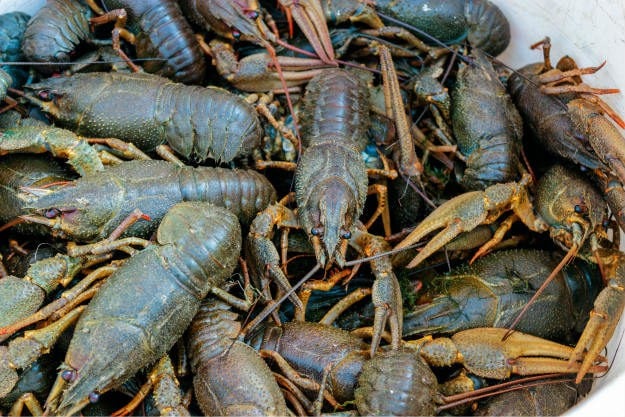
Crayfish are also known as mudbugs, crawfish, and crawdads. It turns out that adding freshwater crayfish to your pond is beneficial in more than one way. If you don’t have a pond – no worries! You can raise them in freshwater aquariums, too. Crayfish are pretty decent filter feeders, so they help filter the water and can somewhat control algae and weeds. It’s a win-win situation if you enjoy the taste of these miniature lobsters. Harvest these babies when they’re abundant, and you’ll have a tasty feast AND a cleaner pond.
3. Prawn
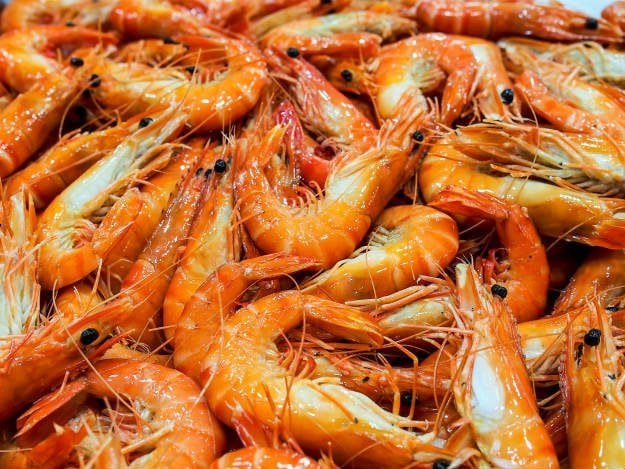
These little freshwater shrimp are moneymakers. Think about it, as a farmer who is miles away from an ocean, wouldn’t it be great to produce freshwater shrimp for yourself and your community? No ocean, no problem. Prawns can go right into your pond or an aquarium. There are actually huge farms designed specifically to raise them.
4. Mangalitsa
|This Hungarian breed of pig is becoming a new favorite for many reasons. They look like tiny sheep with a pig’s face, feet, and tail. Their fur makes them more cold-hardy than other breeds, as well as making them adorable. The meat has a nice marble to it and a wonderful flavor that master chefs request. They make great free-range animals because they love to forage and dig grubs.
5. The Minis
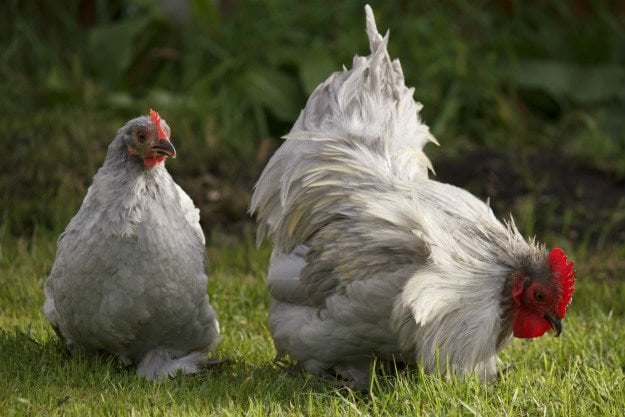
These animals are perfect for those of you who are farming with limited space or for those who just love miniature animals. You can raise mini cows, horses, goats, sheep, oxen and the well-known Bantam chicken. The miniatures are good for farmers who can’t handle a 2-ton creature. They’re also great for the little ones who want to learn.
6. Ostrich

In some Natural Food stores, you will find ostrich legs. If you’ve seen them, then you know that they’re huge. A lot of people in the U.S. raise ostriches for the massive 5-pound eggs they lay. One ostrich egg can feed almost 10 people. It equals close to 2 dozen chicken eggs.
7. Emu
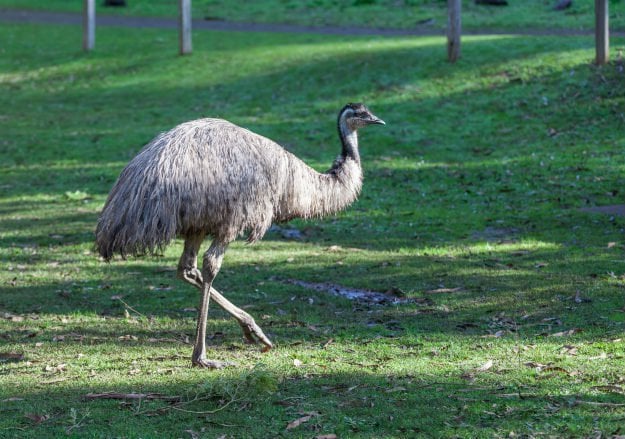
The emu is also farmed for the size of its eggs. Their eggs are a little smaller than ostrich eggs, but they still equal almost a dozen chicken eggs. The emu’s eggs are used for artwork. They have a beautiful green exterior, a blue interior and a white base. Many artists like to etch and carve these eggs.
8. Angora Goats
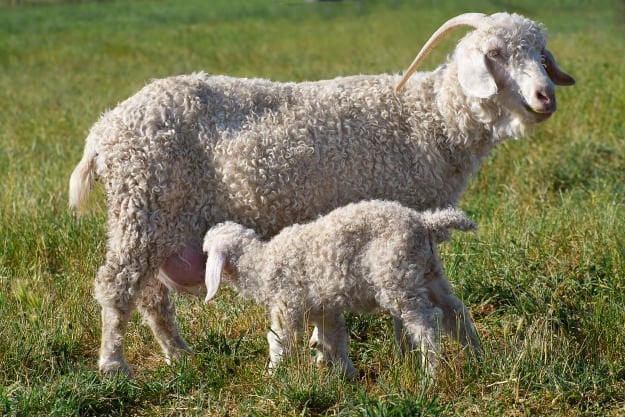
These goats have beautiful flowing fur similar to an angora rabbit. Farmers raise these goats specifically for their fur. Every 6 months, a goat can be sheared, and its fur is sold at various prices. White hair will sell for anywhere from $3- $12 a pound, and colored hair will sell for $10-$20. The hair from the younger goats is finer, so it is used to make clothing and things of that nature. The older goat’s hair is used for upholstery and carpet.
9. Llamas

Similar to the angora goat, the llama is raised for its fur. Their outer hair is coarse, so it makes great rope and carpet. The inner hair is finer and used for clothes, etc.
10. Alpacas
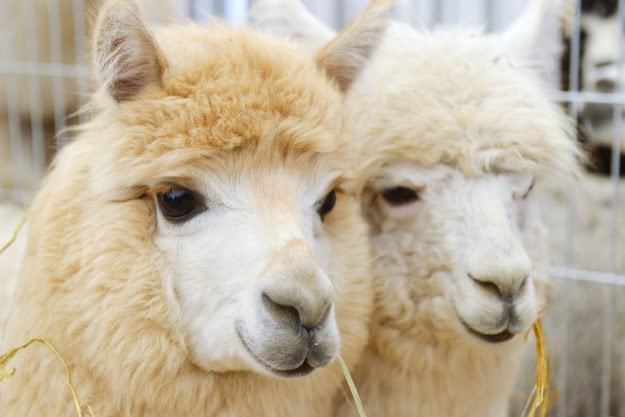
Here’s one last furry animal. Alpacas produce finer fur for fiber than a llama. They also have a softer fleece that is good for blankets, clothing, and apparel. Alpacas have very colorful fur to work with.
Expanding Your Farm with Alternative Animals
Non-traditional farm animals offer flexibility and opportunity for modern homesteads. By choosing animals that fit your land, lifestyle, and goals, you can create a more diverse and resilient farm. With proper planning and care, alternative livestock can be both rewarding and practical.
Explore Non-Traditional Farm Animals for Your Homestead
If you’re considering expanding beyond traditional livestock, take time to research non-traditional farm animals that fit your space and needs. Start small, learn as you go, and build a farm system that works for you. The right animals can add value, variety, and sustainability to your homestead.
Farms have expanded above and beyond what they used to be. You’ll find more than cows, sheep, and horses on farms nowadays. These 10 uncommon animals are just a few of a long list of non-traditional farm animals. If you were interested in this list, you can find other lists of exotic, strange, unusual, and rare breed animals by the dozen from gator farms to reindeer farms!
Frequently Asked Questions About Non-Traditional Farm Animals
What are non-traditional farm animals?
Non-traditional farm animals are livestock that fall outside common choices like cattle, pigs, and chickens. Examples include goats, rabbits, alpacas, ducks, bees, and other animals raised for food, fiber, or farm support.
Why raise non-traditional farm animals?
Many people choose non-traditional animals because they require less space, produce specialty products, or better fit small farms and homesteads. They can also offer income opportunities and increase farm diversity.
Are non-traditional farm animals easier to care for?
Some are easier to manage than traditional livestock, while others require specialized care. Ease depends on the animal’s housing, diet, health needs, and climate suitability.
Do non-traditional farm animals require special permits?
In some areas, yes. Zoning laws, livestock ordinances, and permit requirements vary by location, so it’s important to check local regulations before bringing animals home.
Can non-traditional farm animals be profitable?
Yes. Many produce niche products such as fiber, eggs, meat, or services like pest control. Profitability depends on market demand, care costs, and proper management.
Are non-traditional animals suitable for beginners?
Many are beginner-friendly, especially smaller animals like rabbits or ducks. Research and planning are key to choosing animals that match your experience level and resources.
