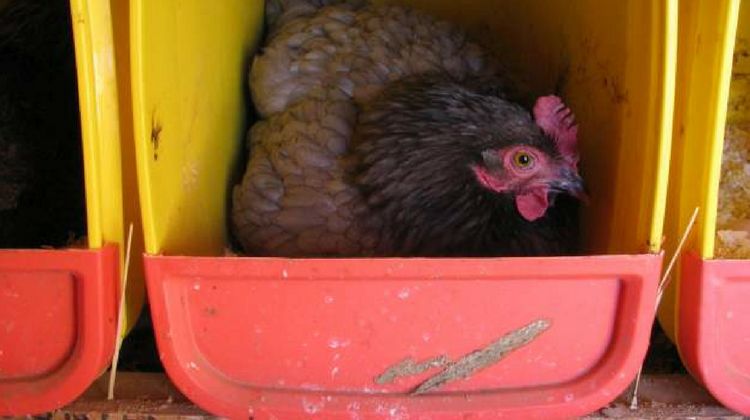

Quick Look at DIY Nesting Boxes
- Learn how to build affordable, eco-friendly nesting boxes from recycled materials.
- Follow step-by-step instructions with proper dimensions, placement, and maintenance tips.
- Discover how many nesting boxes you need per hen for consistent egg production.
- Get cleaner eggs and happier hens with comfort-focused designs and proper bedding.
- Includes a bonus troubleshooting guide for common nesting box issues.
Related: Make A DIY Rain Barrel And Never Waste Water Again
How to Build DIY Nesting Boxes for Happy, Productive Hens
Building your own nesting boxes is one of the most satisfying and cost-effective DIY projects for any homesteader. With a few basic tools and some recycled scrap materials, you can give your hens a clean, safe, and cozy place to lay their eggs and save money while doing it.
In this guide, you’ll learn how to build durable chicken nesting boxes, the best box dimensions, and smart placement tips to keep your flock comfortable and your eggs clean.
Why Nesting Boxes Matter
A well-designed nesting box provides your hens with privacy, comfort, and a sense of security — all of which directly affect egg production. When hens feel safe, they lay more consistently and are less likely to lay eggs on the floor or in hidden corners.
Benefits of proper nesting boxes:
- Keeps eggs cleaner and easier to collect
- Reduces broken or cracked eggs
- Minimizes egg-eating behavior
- Makes daily maintenance easier
Recommended Nesting Box Size and Dimensions
A standard nesting box size for most chicken breeds is 12 x 12 x 12 inches, roomy enough for a hen to stand, turn around, and settle comfortably.
| Chicken Type | Recommended Size | Notes |
|---|---|---|
| Standard hens (Rhode Island Red, Plymouth Rock) | 12” x 12” x 12” | Ideal for most backyard flocks |
| Larger breeds (Orpingtons, Brahmas) | 14” x 14” x 14” | Give extra elbow room |
| Bantams | 10” x 10” x 10” | Smaller boxes conserve space |
Pro tip: You’ll need one nesting box for every 4–5 hens. Too few boxes can cause crowding or hens refusing to lay inside them.
Related: DIY Recycling Projects
What You’ll Need (DIY Materials List)
You don’t need to buy new lumber; your scrap pile might already hold everything you need. Gather:
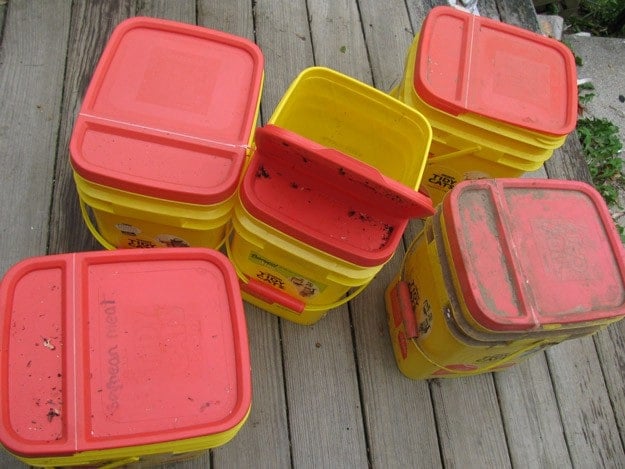
- Old wooden crates, buckets, or milk crates
- Plywood or reclaimed boards
- Nails or screws
- Straw, pine shavings, or hay for bedding
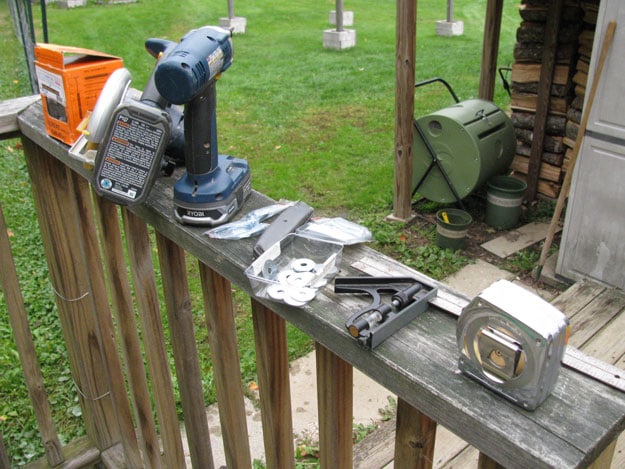
- Drill, saw, and measuring tape
♻️ Eco tip: Using recycled materials not only saves money but also aligns with sustainable homesteading values.
Step-by-Step: Building Your Chicken Nesting Boxes
Step 1: Cut and Prepare the Panels
Measure and cut your wood or crate to your desired size. Sand down rough edges so hens don’t get scratched.
Step 2: Assemble the Box Frame
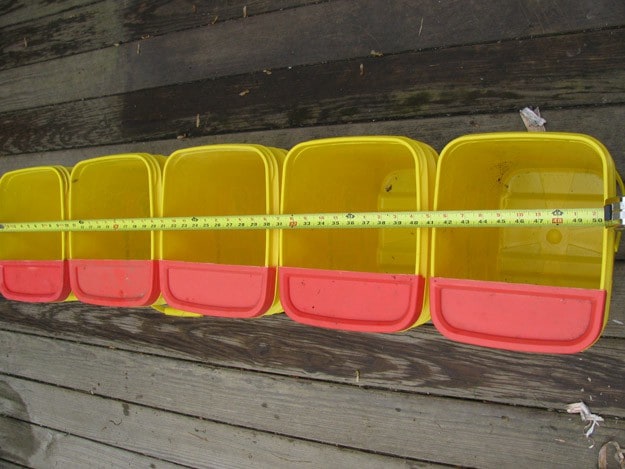
Attach the sides and bottom securely with screws. Make sure the front edge is slightly lower (about 2 inches) so hens can easily step in.
Step 3: Add the Roof
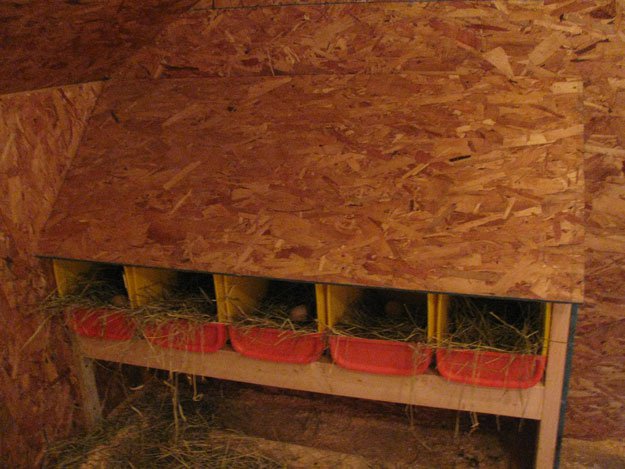
Use a slanted top to prevent roosting and droppings accumulation. If outdoors, consider weather-resistant materials.
Step 4: Add Bedding
Line each nesting box with straw or pine shavings. Avoid hay that’s too damp, as it can mold quickly.
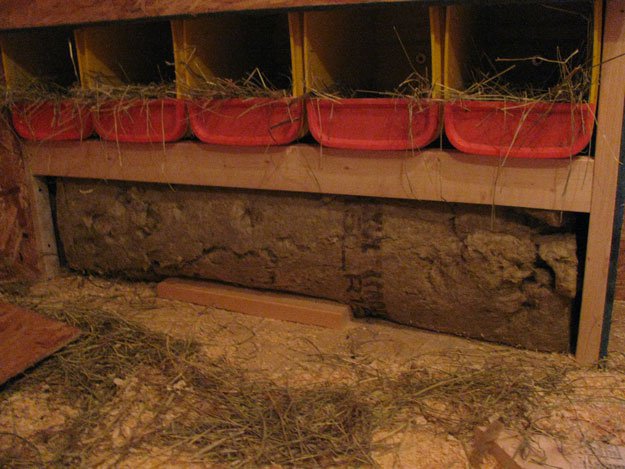
Step 5: Install and Position the Boxes
Mount your nesting boxes 1.5 to 2 feet off the ground, in a quiet, dim corner of the coop. Keep them away from feeding and watering areas.
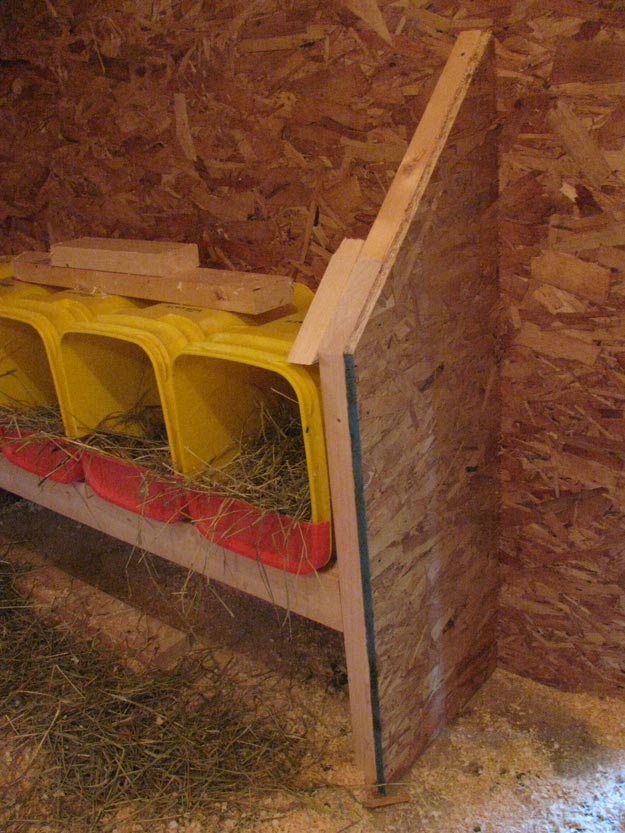
Nesting Box Placement Tips
- Privacy is key: Chickens prefer darker, sheltered spots for laying.
- Stability: Ensure boxes don’t shake when hens jump in.
- Accessibility: Easy for you to reach for cleaning and egg collection.
Add a lip on the front (about 3–4 inches high) to stop bedding and eggs from rolling out.
What to Put Inside Nesting Boxes
The ideal bedding keeps eggs clean, absorbs moisture, and feels comfortable.
Best materials for nesting boxes:
- Straw or hay (fluffy and insulating)
- Pine shavings (absorbent and easy to replace)
- Rubber nesting pads (long-lasting and hygienic)
Avoid cedar shavings. Their oils can irritate hens’ respiratory systems.
Cleaning and Maintenance Tips
Clean boxes weekly to prevent mite and bacteria buildup:
- Remove soiled bedding
- Spray with a mild vinegar-water solution
- Air dry before refilling
Regular maintenance helps your hens lay eggs happily and reduces egg loss.
Troubleshooting Common Nesting Box Issues
| Problem | Possible Cause | Simple Fix |
|---|---|---|
| Hens laying outside boxes | The boxes are too bright or have high traffic | Move to a quieter, darker area |
| Dirty or cracked eggs | The bedding is too thin, or the box is tilted | Add fresh bedding, check the level |
| Hens sleeping in boxes | Coop lacks roosting space | Add a separate roosting perch |
Optional Upgrades for Your Nesting Boxes
- Add curtains or flaps for privacy
- Use removable trays for easy cleaning
- Incorporate roll-away egg designs to protect eggs from breakage
Final Thoughts: Build It Once, Enjoy Fresh Eggs Daily
With these simple steps, you can build functional, eco-friendly nesting boxes that make your hens happy and your egg-collecting routine effortless.
Whether you’re reusing old materials or crafting a new setup, remember, comfort, privacy, and cleanliness are the secrets to a steady egg supply.
Ready to Build Your Own Nesting Boxes?
Give your flock the comfort they deserve, and enjoy a steady supply of clean, fresh eggs every day!
Start building your DIY nesting boxes today using materials you already have at home.
It’s simple, sustainable, and saves you money.
What do you think of these DIY nesting boxes? Will you build it for your flock? Let us know in the comments section below.
Want to take your favorite chicken for a walk? Train your chicken how to use a harness and take it for a fun walk!
FAQ: Nesting Boxes for Chickens
What are nesting boxes used for?
Nesting boxes provide a private, comfortable space for hens to lay eggs. Proper boxes encourage regular laying, reduce broken eggs, and help keep eggs clean and easy to collect.
How many nesting boxes do I need for my hens?
Plan for one nesting box per 4–5 hens. Too few boxes can cause competition or hens laying eggs outside the coop.
What size should a chicken nesting box be?
The ideal size for most breeds is 12x12x12 inches.
Larger breeds (like Orpingtons) need around 14x14x14 inches, while bantams are happy with 10x10x10 inches.
Where should I place my nesting boxes?
Place nesting boxes 1.5 to 2 feet off the ground, in a quiet, shaded corner of the coop, away from feeders or high-traffic areas.
What’s the best bedding for nesting boxes?
Use straw, pine shavings, or rubber nesting pads for comfort and cleanliness. Avoid cedar shavings. They can irritate hens’ lungs.
How do I keep nesting boxes clean?
Clean nesting boxes weekly: remove soiled bedding, disinfect with a mild vinegar-water mix, and replace with fresh bedding to prevent mites and bacteria.
Can I build nesting boxes from recycled materials?
Absolutely! Repurposing crates, buckets, or old wood is budget-friendly and sustainable. Just ensure the surfaces are smooth and safe for hens.
Why won’t my hens use the nesting boxes?
Common causes include poor placement, bright light, or lack of privacy. Move boxes to a darker area, add curtains, and ensure soft bedding to encourage use.
What’s the best material to make nesting boxes from?
Wood, plastic, or metal all work well. Wood offers comfort and insulation, while plastic and metal are easier to clean. Choose based on your climate and coop design.
How high should nesting boxes be from the coop floor?
Install boxes about 18–24 inches above ground level, high enough to stay clean but low enough for easy access.