
Homemade Dog Shampoo At A Glance
- Homemade dog shampoo: Mix 1 cup warm water + 1 cup apple cider vinegar + 1 cup gentle unscented dish soap + 2 oz glycerin in a bottle.
- Shake gently (don’t over-foam).
- Use: Wet your dog’s coat, apply a small amount, lather, then rinse thoroughly.
- Safety: Avoid eyes/ears and patch-test first especially for sensitive skin.
- Aftercare: Towel-dry and watch for any irritation after the first wash.
Why Make Homemade Dog Shampoo?
Even if your pup spends most days indoors, occasional baths are still part of healthy pet care. Homemade dog shampoo is an easy way to keep your dog clean while avoiding heavily fragranced formulas and mystery additives. When you make your own, you control what touches your dog’s skin and coat, and you can adjust the recipe if your dog tends to be dry or itchy.
Some store-bought shampoos can be too harsh for sensitive skin, especially if they contain strong detergents or heavy perfumes. A gentle DIY wash can help you keep bath time simple, affordable, and more comfortable for your dog.
Before You Start: Safety Notes
Every dog is different, so a “natural” ingredient can still cause irritation for some pets.
- Patch test first: Rub a tiny amount on a small area, wait 24 hours, and watch for redness or itching.
- Avoid eyes, nose, and inside ears: Use a damp washcloth for the face instead of shampoo.
- Skip essential oils: Many are not dog-safe and can be risky, especially for puppies or small dogs.
- Do not use on broken skin: If your dog has hot spots, open sores, or rashy areas, talk to your vet first.
- This is not flea treatment: If you suspect fleas, use vet-recommended options.
Ingredients for Homemade Dog Shampoo
This recipe makes a gentle, deodorizing wash that rinses well when used properly.
What you need
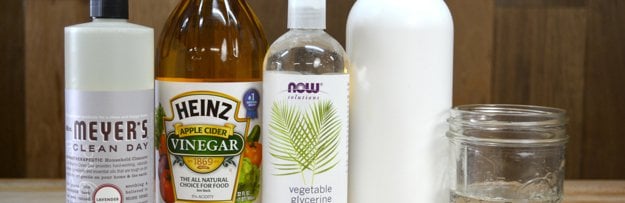
- 1 cup warm water
- 1 cup apple cider vinegar (ACV)
- 1 cup gentle, unscented dish soap (avoid strong degreasers and heavy fragrance)
- 2 oz glycerin (helps add moisture and reduces that “squeaky dry” feel)
Optional tools
- Squeeze bottle or clean shampoo bottle
- Funnel
- Measuring cup
- Small whisk or spoon
How to Make Homemade Dog Shampoo
Step 1: Mix the shampoo
- Add warm water to a clean bottle.
- Pour in apple cider vinegar, then the gentle unscented dish soap.
- Add glycerin.
- Close the lid and shake gently until combined.
Tip: Shaking too hard can create a lot of foam inside the bottle, which makes measuring and pouring messier later.
Step 2: Label and store
- Label the bottle: “Homemade Dog Shampoo” plus the date.
- Store at room temperature away from direct sunlight.
- For best freshness, make smaller batches and use within 2 to 4 weeks.
How to Use Homemade Dog Shampoo
A good wash is mostly about technique, not product. Using less shampoo and rinsing well makes a big difference.
Step 1: Prep your dog and the bathroom
- Brush your dog first to remove loose fur and tangles.
- Place a towel or non-slip mat in the tub.
- Have towels ready, plus a cup for rinsing if you are not using a sprayer.
Step 2: Wet the coat thoroughly
Use lukewarm water and soak the coat down to the skin. If the undercoat stays dry, shampoo will sit on top and rinse poorly.
Step 3: Apply a small amount
Pour a small amount into your hands or directly onto the coat. Start at the back and work forward, avoiding the face.
Step 4: Lather gently
Massage in circular motions for 1 to 2 minutes. Focus on areas that get oily or dirty:
- Neck and chest
- Underbelly
- Paws and legs
- Tail area
Step 5: Rinse longer than you think
Rinse until the water runs clear and the coat no longer feels slippery. Leftover soap can cause itching, so thorough rinsing is important.
Step 6: Dry and reward
Towel-dry well. If you use a dryer, keep it on low heat and do not aim hot air at one spot. End with a treat so your dog associates bath time with something positive.
Bath Tips for a Cleaner Dog and Less Mess
Turn off the water while lathering
A running faucet can stress some dogs, and it wastes water. Wet, lather, then rinse.
Use less shampoo than you expect
More product does not mean a cleaner dog. It usually means more residue and more rinsing.
Protect the ears
Keep water out of the ear canal. If your dog is prone to ear infections, ask your vet about safe ear-cleaning routines.
Wash the face with a cloth
Use a damp washcloth for the muzzle and around the eyes. No shampoo needed.
Rinse paws carefully
Paws trap dirt, pollen, and grime. Spread the toes gently and rinse well.
Simple Variations for Different Coat Needs
These variations keep the same basic approach but adjust for common situations. Always patch test first.
For dry or sensitive skin
- Use the main recipe, but choose the mildest, fragrance-free dish soap you can find.
- Keep lather time short and rinse extra well.
- Consider bathing less often and brushing more between baths.
For a stronger “dog smell”
- ACV already helps with odor for many dogs.
- Spend extra time rinsing and towel-drying, since damp coats can smell stronger.
For muddy dogs
- Rinse mud off first, then shampoo.
- If mud is heavy, do a quick water rinse, towel blot, then shampoo to avoid turning mud into paste.
Note: If your dog has ongoing itching, dandruff, redness, or recurring ear issues, a DIY shampoo may not be the right solution. Your vet can help rule out allergies or skin infections.
How Often Should You Bathe Your Dog?
There is no one schedule for every dog. It depends on coat type, activity level, and skin sensitivity.
- Active outdoor dogs: often every 3 to 6 weeks
- Indoor dogs: often every 4 to 8 weeks
- Dogs with skin issues: follow your vet’s guidance
In between baths, brushing and wiping paws can keep your dog cleaner without frequent shampooing.
Conclusion
Homemade dog shampoo is a quick, affordable option when you want more control over ingredients and a simpler bath routine. Mix gently, use a small amount, and rinse thoroughly so no soap is left behind. If your dog shows signs of irritation or if skin issues persist, stop using the shampoo and check with your vet to make sure nothing more serious is going on.
Can I use dish soap on my dog?
Yes, in small amounts and only if it is gentle and unscented, but thorough rinsing matters. Strong degreasers and heavily fragranced soaps can be too harsh and may dry out skin.
Will apple cider vinegar make my dog smell like vinegar?
Usually not for long. The vinegar scent typically fades after rinsing and drying. If the smell lingers, you may not be rinsing thoroughly or the coat may still be damp.
Can I use this homemade dog shampoo on puppies?
Puppies can have more sensitive skin. Patch test first, use a very mild soap, and keep baths quick. If you are unsure, ask your vet for a puppy-safe recommendation.
Is this safe for dogs with allergies?
Some dogs react to even mild ingredients. Patch test first and discontinue if you notice redness, itching, or excessive licking. For ongoing allergy symptoms, talk to your vet.
Can I add essential oils for scent?
It is best to skip them. Many essential oils can be irritating or unsafe for dogs, especially for small breeds, puppies, or dogs that lick their coat.
How long does homemade dog shampoo last?
If stored in a clean bottle at room temperature, it is best used within 2 to 4 weeks. Make smaller batches for freshness.
What if my dog seems itchy after a bath?
The most common cause is leftover soap residue. Rinse again with lukewarm water and towel-dry well. If itching continues, stop using the recipe and check with your vet.
Can this replace medicated shampoo?
No. If your dog needs medicated shampoo for infections, dermatitis, or other conditions, follow your vet’s instructions.