
St. John’s Wort has a long history of being used to treat depression, phobias, skin conditions, and more. Significantly, this herb is still used today by many people who suffer from the same health challenges and want to use a more natural, alternative method to treat their condition.
The Impressive Holistic Benefits of St. John’s Wort
Let’s take a look at the history behind St. John’s Wort and evaluate the impressive holistic benefits of this long-used, much-loved herb for healing both the body and the mind. Below you will learn a brief history, how to identify this plant, a history of st. john wort uses, its physical benefits and emotional benefits.
A Quick History Lesson of St. John’s Wort

The name of this healing plant comes from the fact that it flowers around the time of St. John’s Day on June 24th and the word “wort” means “plant” in Old English. First used by the Greeks, St. John’s Wort is native to the temperate areas of Europe, Asia, Africa and the Western United States, but has been used widely around the world for centuries.
How To Identify St. John’s Wort
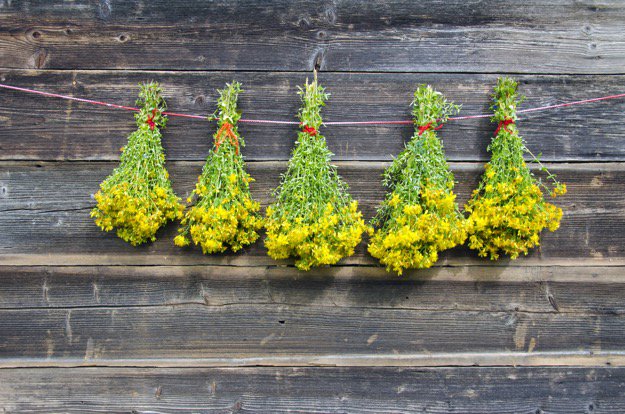
Growing up to three feet high, the plant is shrubby with clusters of yellow flowers. The lower sides of the leaves are dotted black. Both the flowers and the leaves are used and turned into an extract or tea, oil-based skin lotion, and most commonly, tablets and capsules.

History Of Uses
As far back as 2,000 years, St. John’s Wort was referenced for treating gastritis, gout, hemorrhage, rheumatism, and sciatica, along with the same emotional ailments that it’s used to treat today.
The scientific name is Hypericum perforatum and the plant contains several chemicals, many of which carry health benefits that have been researched, studied, and verified by the scientific community. St. John’s Wort is now commonly prescribed by medical professionals.
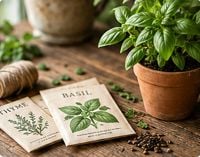
Do you need your herbs to grow all year long? An indoor herb garden may be just for you. https://t.co/YSLdLSYKTj pic.twitter.com/qRG5AUO0pg
— Homesteading (@HomesteadingUSA) June 14, 2016
Physical Benefits of St. John’s Wort

When applied topically, St. John’s Wort can be a benefit to many common skin conditions such as:
- eczema
- burns
- bruises
- wounds
- and insect bites.
- It’s also helpful in supporting healthy elastin production (reducing fine lines) and hydrating skin.
The rich concentration of antioxidant and anti-inflammatory properties in St. John’s Wort makes it a soothing option to ease the pain of joint discomfort and muscle aches. This popular herb can also help to decrease inflammation in the intestinal system along with the cardiovascular system.
Emotional Benefits of St. John’t Wort

As a treatment for a variety of mood disorders, certain extracts from St. John’s Wort have been studied extensively and shown to be at least as effective at treating mild to moderate depression as other antidepressant drugs.
Two of the active ingredients in St. John’s Wort are hypericin and hyperforin, which may change the activity of certain neurotransmitters in the brain that play a part in causing depression in some individuals.
Sufferers of anxiety, mood swings, obsessive-compulsive disorder, irritability, and chronic fatigue have also benefitted from St. John’s Wort because of its ability to reduce chronic stress hormones and improve cognitive function.
Standing The Test Of Time
Because of all the known benefits of taking this herbal supplement, it’s easy to see why it has been so beloved and well used for thousands of years and still today. The next time you consider taking an over-the-counter or prescription medication for your health issues, consider St. John’s Wort as a natural alternative. You may just find that it helps.
Please note, there are side effects, drug interactions, and complications that can arise from taking this herb, so be sure to talk to your doctor or health professional first.
Are you going to give St. John’s Wort a try? Let us know below in the comments!
UP NEXT: How To Make Herbal Infusions | Herbal Remedies
About the Author: Brooke Cade is passionate about health and wellness. She enjoys writing about all the things she loves in life, including yoga, hydrotherapy, Nature’s Sunshine products, and anything related to living life to its fullest.