
Last Updated: June 2026
At a Glance
- You can make your own bug sprays at home using stuff you’ve probably already got in the pantry.
- Plant-based bases like vinegar, witch hazel, and essential oils target specific pests without harsh chemicals.
- A few simple precautions, like patch testing and watching the clock, keep these sprays safe to use around your family and pets.
Can You Actually DIY Bug Sprays?
Short answer: yes, easily. Most of what you need is already sitting in your pantry or growing in your herb bed. DIY bug sprays are about as low-barrier as homesteading projects get, and they’re flexible enough to use on porch furniture, garden beds, fencing, or out in the barn.
Do Homemade Bug Sprays Actually Work?
They hold their own. These blends lean on strong-smelling ingredients that bugs naturally want to avoid, so a well-made batch gets real results without the harsh stuff. Some recipes even pull double duty. A garlic-vinegar mix, for example, keeps aphids off your plants and helps cut down on mildew at the same time.
Are DIY Bug Sprays Safe to Use Around Your Family?
That’s the whole point of making them yourself, you skip the harsh chemicals on your plants and property. That said, “natural” doesn’t mean “no rules.” These sprays are made for your garden, fencing, and outdoor surfaces, not for spraying directly on kids or pets. Some oils and herbs can still irritate skin, so if you’re using a blend as a skin repellent (like the Citrus Herb Spray), start light and always patch test first.
A few habits to keep in mind:
- Keep all sprays away from direct contact with animals.
- Skip spraying near flowering plants when bees are active.
- Avoid spraying near electronics, fabric, or polished wood indoors.
- Only apply to skin if a recipe specifically calls for it, and patch test first.
What You’ll Need: The Master Ingredient List
- Liquid bases: white vinegar, apple cider vinegar, witch hazel, rubbing alcohol, or plain water to dilute and spread everything.
- Essential oils: citronella, eucalyptus, peppermint, lemongrass, cedarwood, and lavender bring the strong scent bugs hate.
- Pantry and garden additives: garlic, onion, chili, basil, and mint work as natural deterrents.
- A binding agent: a few drops of dish soap helps any spray cling to surfaces and plants longer.
I get my essential oils from this store:


5 DIY Natural Bug Spray Recipes for Your Homestead
1. Citrus Herb Spray
What you need: citrus extracts, fresh herbs, and a liquid base (vinegar, witch hazel, or water).
How to mix it: Combine the citrus and herbs into your liquid base. No essential oils on hand? Steep fresh herbs in hot water or vinegar overnight, then strain. A few drops of dish soap helps it stick around longer. Bottle it, label it, and store it in the fridge to stretch its shelf life.
How to use it: Shake well before each use and patch test first. Apply lightly to skin, porch furniture, or window trim to keep mosquitoes and gnats away. Reapply every 2 to 4 hours.
2. Vinegar Garlic Mix
What you need: white vinegar or apple cider vinegar, and garlic.
How to mix it: Blend garlic right into the vinegar, or steep cloves in it overnight and strain. Add dish soap so it sticks to garden leaves. Store in a labeled bottle in the fridge.
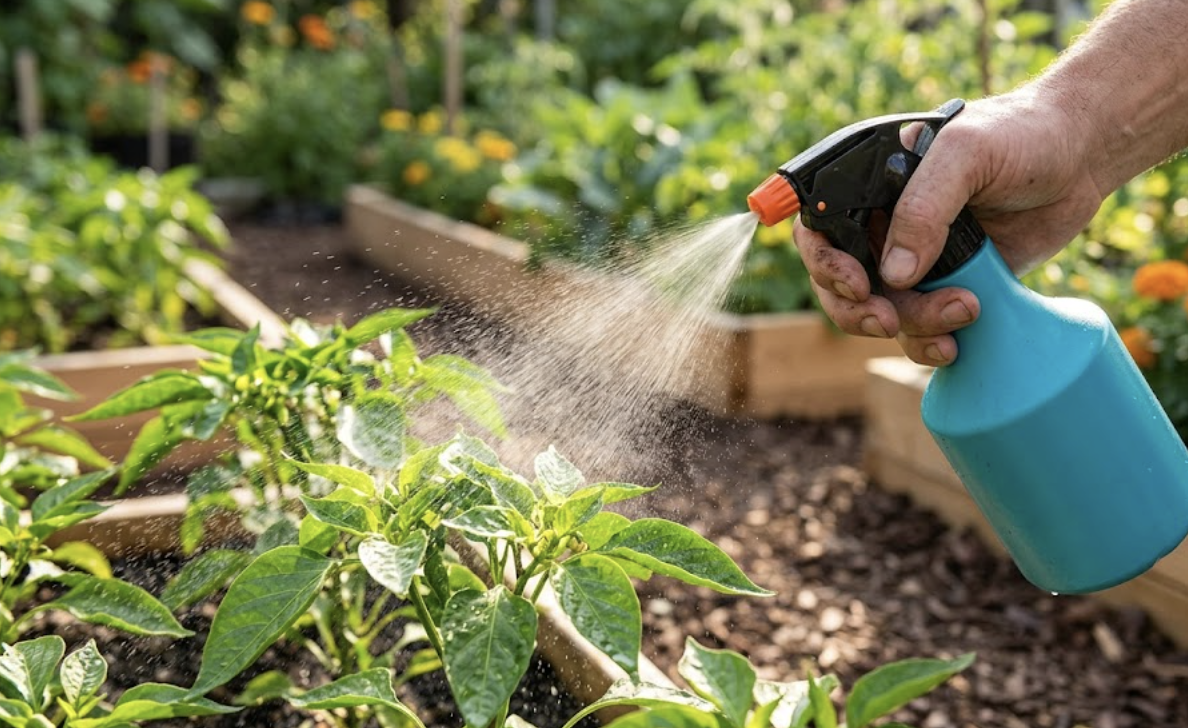
How to use it: Shake well and patch test on a single plant first. Spray lightly early or late in the day on garden beds and compost bins to keep aphids, beetles, and ants away. It also cuts down on leaf mildew. Skip flowering plants when bees are out. Good for 3 to 5 days.
3. Lavender Cedar Blend
What you need: lavender essential oil, cedarwood essential oil, and a liquid base (water, witch hazel, or vinegar).
How to mix it: Stir the oils thoroughly into your base. Oil-based blends tend to outlast herb-steeped ones. Store in the fridge in a labeled bottle.
How to use it: Shake before spraying. Lavender and cedarwood are milder, so they’re a safer pick near seedlings, pet bedding, or animal stalls, but still patch test first. Spray lightly on barn walls, feed buckets, door frames, fencing, or storage bins to keep flies and moths off. Don’t spray livestock directly. Reapply every 2 to 3 days.
4. Peppermint Barrier Oil
What you need: peppermint essential oil and a liquid or oil carrier base.
How to mix it: Stir the peppermint oil into your base. Oil carriers stretch the shelf life further than water does. A little dish soap helps it stick to outdoor surfaces. Bottle and refrigerate.
How to use it: Shake and patch test first. Apply lightly early or late in the day along fencing and fruit trees to keep ticks and fleas at bay. Keep it off animals directly. Reapply every 1 to 2 days.
5. Onion Chili Spray
What you need: onion, chili, and a liquid base (water or vinegar).
How to mix it: Combine onion and chili into your base, or steep them overnight and strain out the solids. A bit of dish soap helps it last longer outdoors. Bottle and refrigerate.
How to use it: Shake well and patch test first. Apply early or late in the day to fencing and fruit trees to keep deer, squirrels, and caterpillars off. Skip it when bees are active nearby. Reapply every 1 to 2 days.
Making your own bug sprays puts you in control of what touches your tools, your clothes, and your animals. These recipes are simple enough to mix on a weeknight, and they keep harsh chemicals out of your garden, barn, and kitchen for good.
Frequently Asked Questions
How long do DIY bug sprays last once you mix them? A few days, usually. Oil-based recipes tend to outlast herb-steeped water blends. Keep them in the fridge to stretch that further.
Are DIY bug sprays safe around pets and livestock? It depends on the ingredients. Lavender and cedar are gentler choices, but you should still test any blend before using it near pet bedding or stalls, and never spray animals directly.
What if I don’t have essential oils on hand? No problem. Steep fresh herbs in hot water or vinegar overnight, strain, and use that as a lighter version of an oil-based spray.
Can I use these bug sprays indoors? Yes, stick with milder blends. Spray lightly near doorways, under sinks, or around windowsills, and steer clear of electronics, fabric, and polished wood.
When’s the best time of day to spray? Early morning or evening works best. It also helps to avoid flowering plants when bees are actively working them.