
At a Glance: Queen Palm Berries
- Ripe queen palm berries are bright orange and come off with a gentle twist.
- Simmer, cool and squeeze them for a sweet golden juice.
- Freeze the juice now and make jelly when you’re ready.
The 8 steps
- Pick only ripe fruit Once or twice a day while the fruit drops
- Rinse
- Cover with water
- Simmer About 1 hour
- Cool in the pot About 1 hour
- Squeeze
- Strain again Settle overnight in the fridge
- Freeze the juice
Can you really eat the orange fruit that drops from a queen palm? Yes. The berries are mostly seed, but the sticky layer around the seed is sweet. You can’t run them through a juicer. A big pot, some water and a cloth bag do the job instead. Here’s how I pick them, juice them and freeze the juice for jelly later.
As an Amazon Associate, we earn from qualifying purchases.
Are Queen Palm Berries Edible?
Yes, ripe queen palm berries are edible. The thin sweet flesh is the part you want, and the big seed and fiber are what you spit out or strain away.
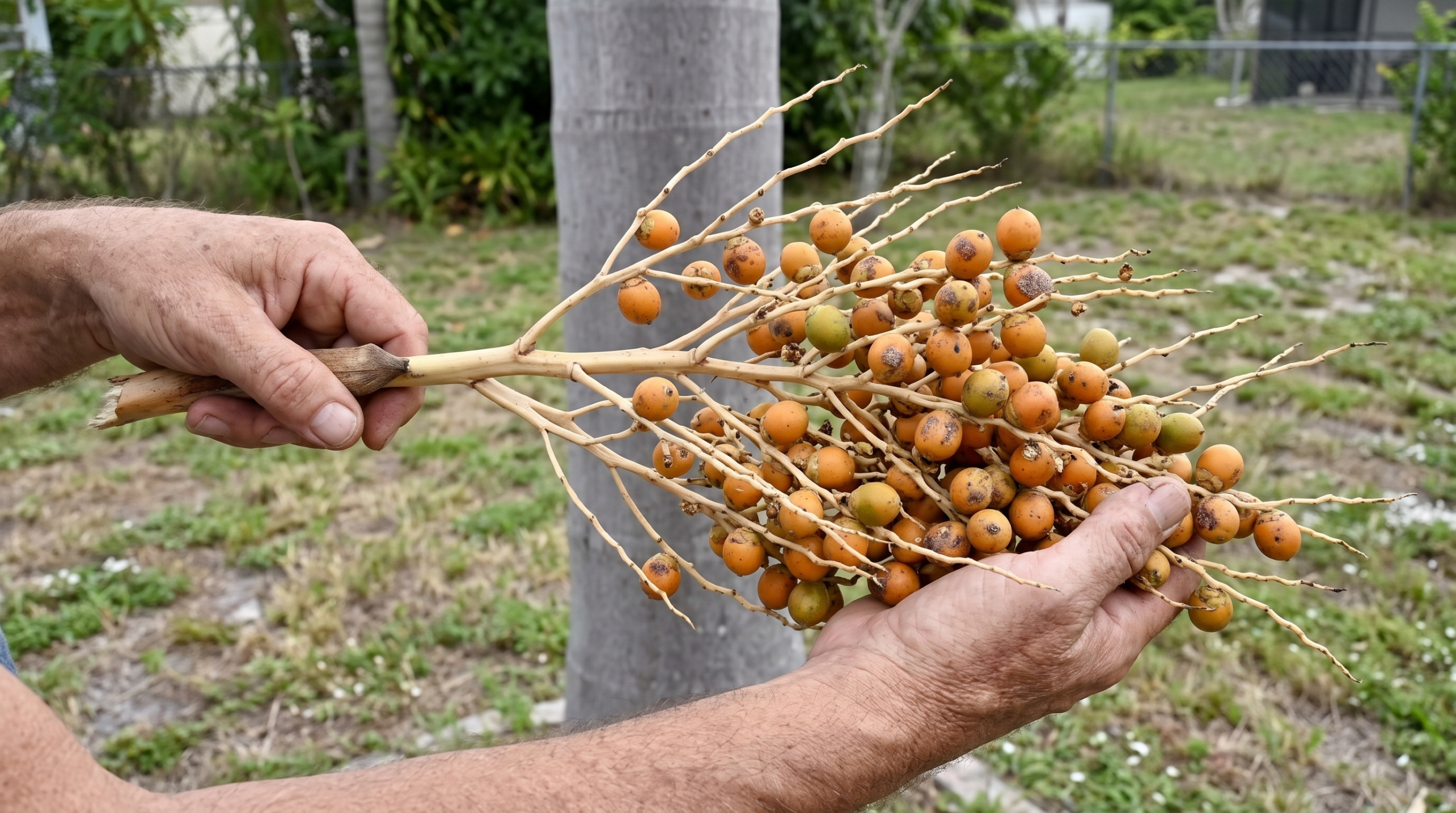
Each berry is about ¾ to 1 inch long and turns bright orange when it’s ripe, according to the University of Florida IFAS. The palms flower in summer, and the fruit ripens by winter. One cluster can weigh more than 100 pounds, so a single tree gives you plenty.

Queen palm berries are about 98% pit, covered by a fibrous layer and a thin skin. The fibers aren’t truly edible, but they are chewable, very sweet, and incredibly sticky, no wonder squirrels love them.
Flavor-wise, opinions vary, but I often notice a mild banana-like taste when chewing the fibers, along with hints of other flavors I can’t quite place. It’s subtle but surprisingly pleasant.
Chew the flesh and spit out the fiber. Swallowing a lot of the fiber can upset some stomachs, which is one more reason the juice is the easiest way to enjoy them.
STOP POINT: Only eat fruit from a palm you’re sure is a queen palm. The fruit is orange, and it hangs in long clusters from a tall, smooth gray trunk with long, feathery fronds. Dead fronds and old leaf bases can hang on just below the crown. Orange fruit alone isn’t proof, so check the trunk and fronds too. Some other palms grow red or black fruit full of needle-like crystals that burn the mouth. If you can’t name the palm, don’t eat the fruit.
Weird Explorer picks and tastes queen palm fruit in New Orleans in this video.
Video: Weird Explorer.
What You Need
You don’t need special gear. A big pot and a way to squeeze and strain are the whole kit. The one thing worth buying is good straining cloth, since a thin kitchen towel lets the fiber through.
Tools:
- A bucket for picking.
- A colander for rinsing.
- One or two large stockpots.
- A jelly bag or several layers of fine cheesecloth.
- A big bowl.
- Clean half-gallon jugs or freezer containers.
As an Amazon Associate, we earn from qualifying purchases.
Fine, reusable cheesecloth works as a jelly bag and as the second strainer. It washes and comes back for the next batch. If you’d rather not buy it, a clean cotton pillowcase you keep just for straining works too.
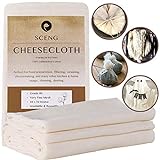
- GRADE 90 CHEESECLOTH - 100% Grade 90 cheesecloth is much higher and better quality compared to lower grades such as Grade 50, and this...
- 100% UNBLEACHED COTTON - Premium natural unbleached cotton is selected to meet the highest standards. When using unbleached cheesecloth...
- DIY CUTTING - The cheesecloth is 1 yards wide and 4 yards long with no precut, you can simply cut it according to how much you need to...
How to Harvest and Juice Queen Palm Berries
The whole job takes 8 steps. Picking happens over a few days while the fruit ripens. The juicing takes one afternoon plus an overnight rest in the fridge, and most of that is waiting.
Step 1
Pick only ripe fruit
Once or twice a day while the fruit drops
Harvest only fruit that’s fully orange and ready to let go. Green fruit is best left on the palm to finish ripening, since it makes the juice taste flat.
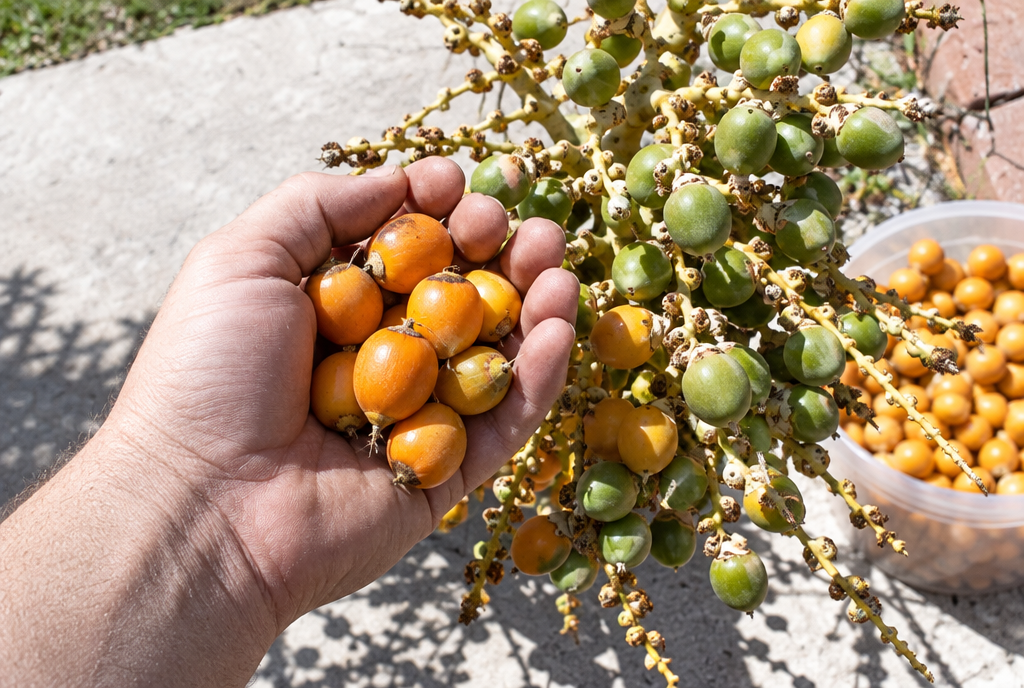
In our case, the palms were already being trimmed, so I asked the tree service to remove the fruit bunches and leave them for me. One bunch was half orange and half green, so I harvested only the ripe fruit. Even though ripe berries are orange, I only picked those that released easily with a gentle twist.
As the remaining fruit continued to ripen, I harvested it once or twice a day. After trying both methods, I found it’s best to let the berries fully ripen on the tree and collect them as they fall. They seem slightly larger and noticeably sweeter this way.

CHECKPOINT: Pick up fallen fruit every day. Leave behind anything that’s split, moldy, bird-pecked or soft and brown. Fruit that sits on the ground for days can mold.
STOP POINT: Dogs love the sweet fruit, but the hard, fibrous seed can get stuck in a dog’s stomach or bowel. Rake up fallen fruit where pets play. Call your vet if your dog eats the fruit, especially if it vomits, has diarrhea or seems tired.
With my bucket slowly filling, I turned to figuring out how to use the fruit in the recipes I’d found.
I decided to try making jelly from the berries, which raised the next challenge: extracting juice. Unlike berries such as raspberries, there’s nothing to really cook down, and with so much pit, a juicer wasn’t an option. After some research, I learned how to extract juice from the fruit, which became the base for several recipes.
The trick is to let hot water pull the sugar and flavor out of the fiber. Then you squeeze out what’s left.
Step 2
Rinse
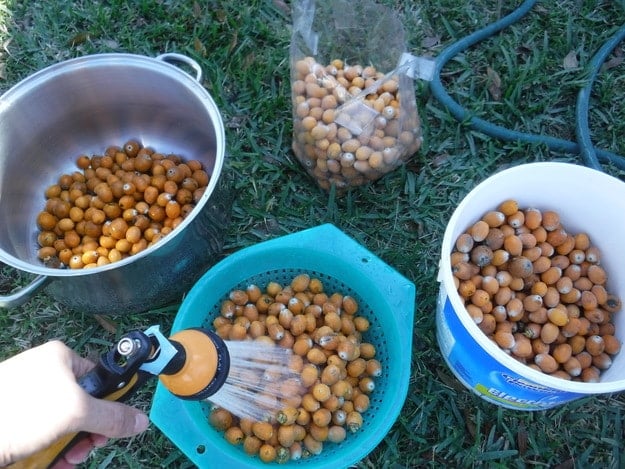
Rinse the berries well in a colander and let them drain. I do this outdoors with the hose, but the sink works too. Rinsing washes off dirt and debris, which matters most for fruit picked up off the ground.
Step 3
Cover with water
Put the fruit in a large pot and add water until it sits about 1 inch over the fruit. I split my harvest into 2 pots. It’s easier than working with a pot filled to the brim.

Step 4
Simmer
About 1 hour
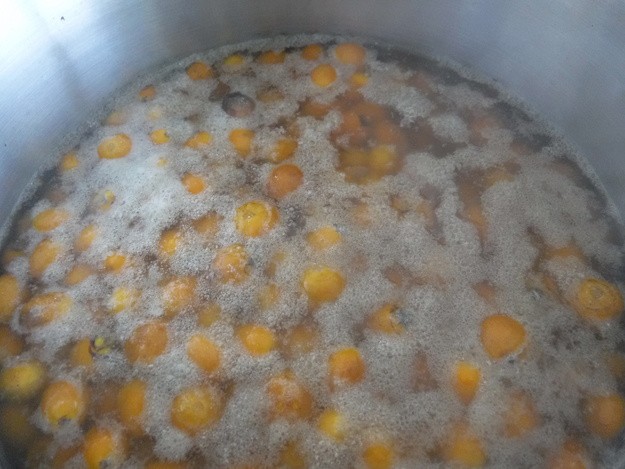
Bring the pot to a boil uncovered. This can take a while with a full pot. Then turn the heat to medium and let it simmer uncovered for about 1 hour, stirring now and then.
STOP POINT: A full stockpot of boiling water is heavy. Keep the handles turned in, and don’t try to move the pot until it has cooled.
Step 5
Cool in the pot
About 1 hour
Turn off the heat and leave the pot where it is for about 1 hour. The fruit should be warm but cool enough to hold.
CHECKPOINT: Touch a berry before you grab a handful. If it’s too hot to hold, give it another 15 minutes.
Step 6
Squeeze
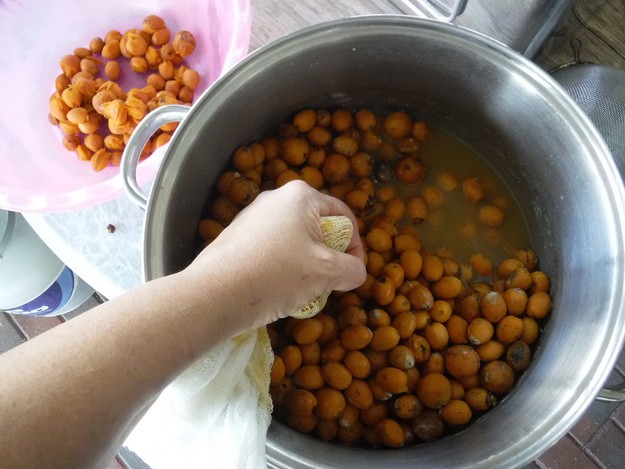
Put a handful of fruit at a time into the jelly bag or cheesecloth and squeeze over the pot or a clean bowl. Bigger seeds give less liquid, so don’t worry if some handfuls barely drip. Toss the squeezed fruit when you’re done.
Step 7
Strain again
Settle overnight in the fridge
Pour all the liquid through a jelly bag or a few layers of damp cheesecloth. The National Center for Home Food Preservation’s tested jelly recipe for butia palm, a close cousin, does the same. Strain two or three times, then refrigerate the juice overnight. In the morning, pour off the clear juice and leave the sediment behind.
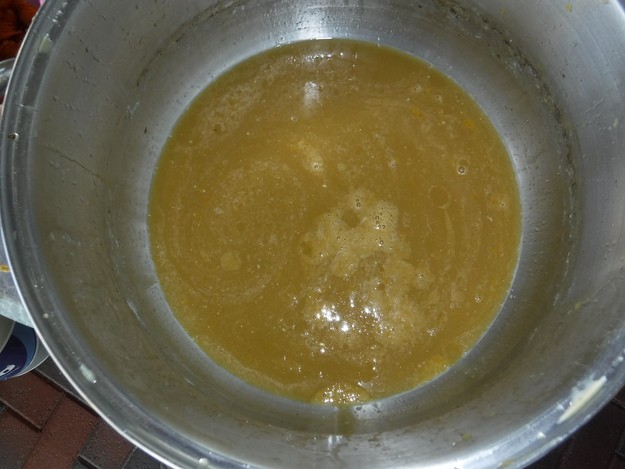
CHECKPOINT: Good juice is golden and smells fruity and sweet. Cloudy is fine for cooking. Clear juice makes a prettier jelly.
Step 8
Freeze the juice
The freezer is the safest home for the juice. Pour the cooled juice into clean half-gallon jugs or freezer containers. Leave open space at the top, since the juice expands as it freezes. Label each one with the date, and thaw it whenever you’re ready to cook.
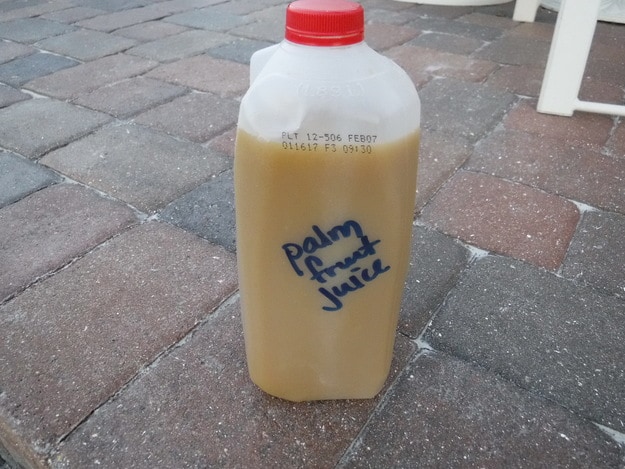
Making jelly? Keep queen palm jelly in the fridge or freezer. Tested shelf recipes exist for butia palm, not for queen palm, so there’s no tested canning time for this juice. Don’t guess one.
Troubleshooting
Most problems come from the fruit or the strain, and each has an easy fix.
| What You See | Likely Cause | Fix |
|---|---|---|
| Juice tastes flat | Green or half-ripe fruit | Pick only fruit that twists off easily |
| Very little liquid | Large seeds, or the fruit cooled too much | Squeeze while the fruit is still warm |
| Juice is thick and murky | Fiber got through | Strain again through damp cheesecloth |
| Sediment in the jug | Normal fine pulp | Let it settle overnight and pour off the top |
| Fruit smells sour or fizzy | Fruit sat on the ground too long | Toss it and pick up fruit daily |
Still unsure? Start with the fruit. Ripe fruit fixes most problems.
Shortcuts to Avoid
A few shortcuts sound handy but cost you juice or safety. Skip these.
- Running the fruit through a juicer. The seed is too big and too hard.
- Tossing in green fruit to stretch a batch. It won’t ripen in the pot.
- Guessing a canning time. Freeze or refrigerate instead.
- Eating fruit from a palm you can’t name. Some palm fruit burns the mouth.
When to Call for Help
Harvesting from a tall palm is a job for a tree service. Ask them to cut the fruit clusters and leave them for you, the way I did. Don’t climb a ladder into a palm.
If a child eats fruit from a palm you can’t identify, call Poison Control at 1-800-222-1222. Call your vet if your dog eats the fruit, especially if it vomits, has diarrhea or seems tired.
Buy Once
You only need a couple of things, and both last for years.
As an Amazon Associate, we earn from qualifying purchases.
- Best: a jelly bag with a stand that hangs over a bowl.
- Better: fine reusable cheesecloth, which strains juice and washes clean for the next batch.
- Budget: a clean cotton pillowcase you keep just for straining.
Turning Free Fruit Into Juice
So yes, those orange berries are food. Pick the ripe ones, let the pot pull out the sweetness, and squeeze it into a jug. A season’s worth of jelly can start with one bucket of fruit from the yard.
Want more free food close to home? Try these fall wild edibles next, or find room for your jugs with these food storage ideas for small homes.
FAQs
Are queen palm berries safe to eat?
Yes, when they’re ripe and you’re sure of the palm. The sweet orange flesh is edible. The seed and fiber are what you spit out or strain away. Only eat fruit from a palm you can identify, since some other palms grow red or black fruit that burns the mouth.
When are queen palm berries ripe?
They’re ripe when they turn bright orange and come off with a gentle twist. The palms flower in summer, and the fruit ripens toward winter. Green or half-orange fruit is best left on the tree to finish ripening.
Why can’t I just use a juicer?
The seed takes up nearly the whole berry and it’s very hard. A juicer can’t break it down, and there’s very little flesh to press. Simmering in water pulls the sugar and flavor out of the fiber instead. Then you squeeze the warm fruit in a cloth bag.
How do I get clear juice for jelly?
Strain it two or three times. Squeeze the fruit through a jelly bag first, then pour the juice through a few layers of damp cheesecloth. Let it sit in the fridge overnight, and pour the clear juice off the top. The sediment stays behind.
Is the fruit safe for dogs?
Be careful. Dogs like the sweet fruit, but the hard, fibrous seed can get stuck in their stomach or bowel. Some dogs vomit or get diarrhea after eating a lot. Rake up fallen fruit where pets play. Call your vet if your dog eats the fruit, especially if it vomits, has diarrhea or seems tired.
Are Queen Palm Berries Worth the Work?
Juicing takes a pot, an hour of simmering and some squeezing for a few jugs of sweet juice. Chewing them fresh takes no work, but there’s not much flesh on each seed. Some folks skip them and stick to store fruit.
Have you tried them? Tell us how you use them below.